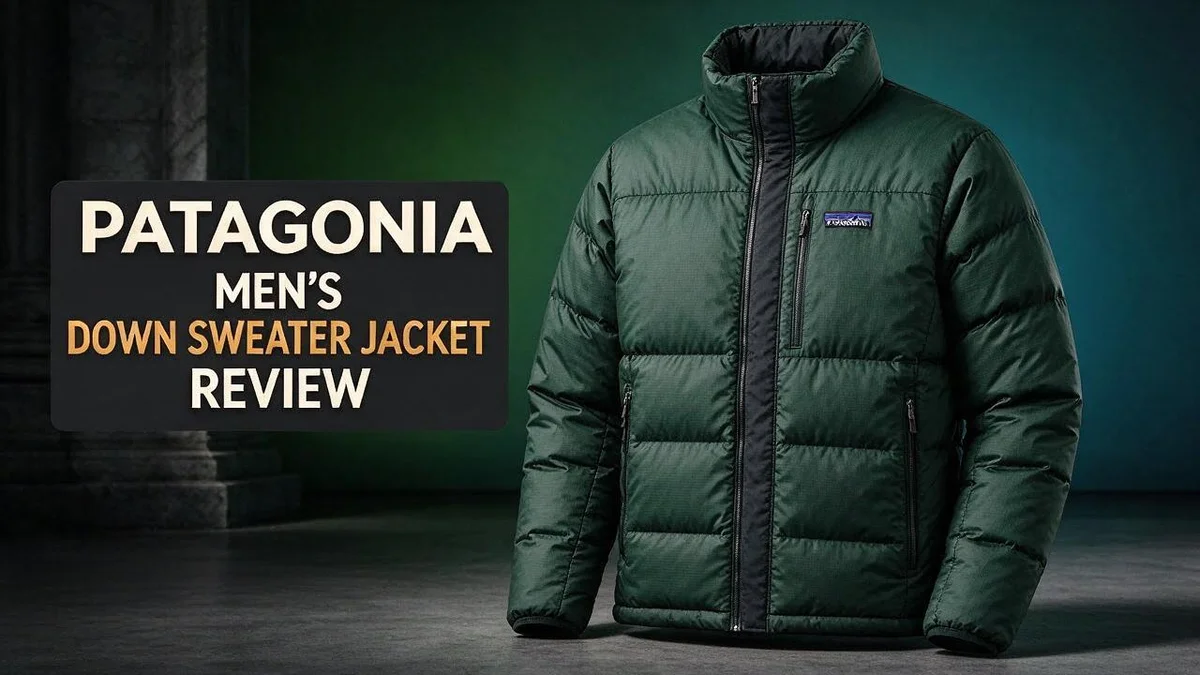
Patagonia Men’s Down Sweater Review: Should You Try This?
Cold mornings call for a jacket that keeps you warm and packs down small. The Patagonia Men’s Down Sweater is one of the most talked about options for the trail and the city. Many owners say it delivers warmth without bulk.
Here is the good news. The neck and chin fit creates a warm seal when you zip it up. It stays comfortable and never feels claustrophobic.
The jacket also layers easily under a shell. That makes it a smart pick for changing weather. One owner reports about four years of trouble free use, which says a lot about its build.
Still, it has a few trade offs. The face fabric is thin, and the collar can feel restrictive for some people. It works best in moderately cold conditions rather than extreme cold.
In this review, you will learn who this jacket suits best. We will cover fit tips, real pros and cons, and how it compares to rivals like the Nano Puff and Cerium LT. Let’s dive in.
In a Nutshell
-
Built for packing: This down jacket folds down small. It fits easily into a backpack, a travel bag, or a daily tote. Many people keep it close for surprise chilly moments.
-
Snug neck and chin fit: The collar seals in warmth when zipped up. It still avoids a tight, closed-in feeling for most wearers.
-
Strong track record: One owner reports about four years of use without problems. That kind of lasting performance matters for a jacket you wear often.
-
Helpful customer service: Many users praise how Patagonia handles support requests. Good service adds real peace of mind over time.
-
Best for moderate cold: This jacket suits mild to chilly days. It works well for everyday walks, commutes, and cool weekend outings, but it is not built for extreme cold.
-
Sizing tip: One Reddit user suggests sizing to medium unless you plan to gain weight or layer heavily. Check the men’s size and fit chart before you choose your size, so the jacket feels comfortable and warm.
Shell Fabric and Construction

- Robust shell fabric crafted from 100% recycled polyester ripstop with a durable water repellent (DWR) finish
- Premium 800-fill-power goose down insulation
Last update on 2026-11-03 / Affiliate links / Images from Amazon Product Advertising API
The outer shell does more than give the jacket a clean look. It protects the down insulation from wind, dirt, and daily wear.
Start by feeling the fabric in your hands. Light materials usually feel soft and easy to move in.
Stretch your arms overhead and reach forward to see how the jacket responds. If it pulls or bunches, the cut may not suit your frame.
Fabric weight also shapes how warm the jacket feels in a breeze. A lighter face can let cold air pass through faster on exposed days.
Plan for that by bringing a windproof layer when conditions turn gusty.
Look closely at the seams next. Tight, even stitching keeps the insulation in place.
Run your fingers along the shoulders, underarms, and side panels. Loose threads or wavy lines can signal weak spots.
The zipper deserves attention too. A smooth slider makes it easier to open and close the jacket with gloves on.
Test the pull a few times before you decide. A stiff zipper can frustrate you on cold mornings.
Cuffs and hem work together to block drafts. Snug cuffs keep warm air near your wrists.
A slightly longer hem covers your lower back when you bend or sit in a car. Try both motions in the fitting room.
Pay attention to the hood area as well. A good hood design changes how much heat you keep.
Check whether it fits comfortably over a hat or sits flat behind your head.
Light fabrics can show scuffs faster on rough surfaces. Backpack straps and car seat belts often cause wear.
Store the jacket loosely and clean it gently to protect the outer layer.
Overall, the shell and stitching shape how the jacket feels and lasts. Inspect these details first. Then decide whether the fit suits your daily plans.
Fit and Sizing
Getting the right size makes all the difference with this jacket. Start by checking Patagonia’s men’s size and fit chart. It lists chest, waist, and length measurements for each size.
Measure before you order. Wrap a soft tape around the fullest part of your chest. Then compare that number with the chart, not with your usual size label. Brands cut jackets differently, so a medium in one line may fit like a large in another.
Think about what you plan to wear underneath. If you usually layer over a plain tee, your regular size may work well. If you want room for a fleece or a heavier sweater, consider sizing up.
Check the length next. The hem should cover your waistband so cold air stays out when you bend or reach. A short hem can let drafts creep up your back on chilly walks.
Pay attention to the shoulders. The shoulder seams should sit right at the edge of your shoulders. If they slide down your arms or pinch near your neck, the fit feels off.
Sleeve length matters too. Your cuffs should reach the base of your wrist even when your arms hang loose. Lift your arms and make sure the sleeves do not ride up past your wrist bones.
Movement matters just as much as length. Try a few squats and a slow arm swing in the jacket. Listen for tight pulling across the back. If the fabric strains, the jacket runs small for you.
Fit also changes with the seasons. A jacket that feels perfect in fall may feel cramped when you add thicker layers. Choose the size that works with your usual cold weather outfit.
Read the return policy before you buy. Keep the tags on and wear the jacket around the house for a few minutes. If it feels snug in the chest or restricts your shoulders, send it back early.
Warmth and Layering Performance
Warmth is the main reason most people reach for a down jacket. This model uses insulation that traps body heat without adding heavy bulk.
It works especially well as a middle layer. The sweater slides easily under a shell, so you can build warmth in stages. This flexibility makes it a smart choice for changing weather.
On cool mornings, wear the sweater on its own. When wind picks up or rain starts, add a shell on top. When the afternoon sun warms the air, take the shell off and stay comfortable.
Your base layer matters too. A thin merino or synthetic top pulls sweat away from your skin. Dry skin holds warmth far better than damp skin, so this small habit makes a real difference.
Damp weather calls for extra care. Down loses some loft when it gets wet, so warmth can drop. Pick a shell with water resistance to protect the sweater during drizzle. Store it dry at the end of each day.
Some people also pair the sweater with a fleece on very cold days. This combo adds extra core heat without a huge jump in weight. Still, test the movement before you head out, since extra layers can limit your arm range.
Insulation shines when you stay active. Your body produces heat during brisk walks, hikes, or light chores. The sweater helps keep that heat close, so you may need less gear than you expect.
Stopping matters just as much as moving. When you pause for a break, heat drops quickly. Pack an extra layer in your bag so you can add warmth right away.
Indoor comfort counts too. Many people wear this jacket around camp or at a cold office. Its light build makes it easy to wear for hours without overheating.
Test warmth during a short walk outside before a big trip. Notice whether your hands and feet stay warm during the outing. This simple check shows how the jacket handles your personal comfort level.
Top 3 Alternatives
Looking for a strong jacket alternative? These three options offer warmth, comfort, and style. Each one suits a different lifestyle.
Uniqlo Ultra Light Down

- [More Comfortable] Outdoor Ventures puffer jacket features high-tech insulation to insulate cold air and retain warmth...
- [Humanized Design] Outdoor Ventures men puffer jacket includes 2 outside zipper pockets and 1 zipper chest pocket. It is...
Last update on 2026-11-03 / Affiliate links / Images from Amazon Product Advertising API
This jacket works well for everyday wear. It packs down small and fits easily into a bag. The lightweight shell keeps warmth in without feeling bulky. Many shoppers like its clean look and simple fit.
It layers well under a coat or works on its own. A water resistant finish handles light rain. It suits commuting, travel, and mild winter days.
The North Face Thermoball

- ALL-WEATHER INSULATED WARMTH: The Men's Thermoball Insulated Jacket offers lightweight synthetic insulation with...
- WIND & WATER RESISTANT: Made with wind-resistant WindWall fabric and 100% recycled polyester body and lining, this...

Last update on 2026-11-03 / Affiliate links / Images from Amazon Product Advertising API
This option uses synthetic insulation that stays warm even when damp. That makes it a smart choice for wet weather. The quilted design traps heat in cold conditions.
Synthetic fill also dries quickly after a rainy hike. Many people wear it as a reliable mid layer during winter trips. It works for camping, hiking, or cold city walks.
Arc’teryx Cerium Jacket

- Cerium Jacket: Lightweight, warm, versatile down jacket
- Down Insulation: Highly efficient natural insulation that compacts well and offers excellent warmth to weight.
Last update on 2026-11-03 / Affiliate links / Images from Amazon Product Advertising API
This jacket focuses on premium performance and durability. It offers a slim fit that moves comfortably with you. The insulation provides excellent warmth for its weight.
It suits alpine climbs, cold commutes, and serious winter adventures. Choose this model if you want refined style with strong build quality. Its design balances comfort, warmth, and function.
Style and Versatility
The Patagonia Men’s Down Sweater fits into many parts of your week. It looks neat enough for a casual office day. It also feels right for weekend errands and short trips.
The clean silhouette keeps outfits simple. Many people wear it with jeans, chinos, or a plain tee. The streamlined shape avoids the bulky look that some puffer jackets carry.
Its packable build adds to the versatility. You can stuff it into a backpack or carry bag. Then you can pull it out quickly when the temperature drops at a café or on a flight.
Dress it up or dress it down. Pair it with a collared shirt and dark trousers for a relaxed smart look. Add a hoodie and joggers for a relaxed weekend feel.
The smooth face fabric also helps the style. It stays neat when you pull it over a dress shirt. It does not look overstuffed when worn with everyday pieces.
Think of it as a piece for every season. Spring evenings, cool autumn days, and chilly commutes all suit it well. It handles moderately cold weather best. For deep winter, add a heavier coat on top.
The high neck and chin fit gives a polished finish when zipped. Some reviewers find the collar a little snug, so try it on before you decide.
Men with a minimal wardrobe will find it easy to build outfits. Its simple shape pairs well with neutral tones and bright accents alike. One jacket like this can replace two or three separate pieces in a closet.
Overall, the style suits everyday life. It balances comfort with a neat look. Anyone who wants one jacket for many occasions will appreciate that balance.
Care and Durability
Good news comes first. One owner reports about four years of use without trouble. That kind of track record matters for a jacket you wear often.
Durability still depends on how you treat it. The face fabric is thin, so it needs a gentle hand. Sharp zippers, rough bags, and rough surfaces can wear it down.
Check the pockets and seams before each wash. Look for snags from keys, hooks, or bag straps. Catching small snags early stops them from growing.
Wash the jacket on a gentle cycle. Use cold water and a mild detergent made for technical outerwear. Skip fabric softener, since it can coat the down and reduce its fluffiness.
Dry it on low heat. Add a few clean dryer balls to break up clumps. Let it dry fully before you store it.
Store it loosely. Hanging or laying it flat helps the insulation stay fluffy. Avoid keeping it in a tight stuff sack for months at a time.
Close the zipper before washing. This protects the fabric from snagging on other clothes in the machine. Turn the jacket inside out for extra care.
Handle small tears quickly. Thin fabric can tear more easily than heavier shells. Patch small holes with a repair kit made for down jackets so feathers stay inside.
Keep a repair kit at home. Patch materials and a small needle make fixes quick. Acting fast helps the jacket last longer.
Shoppers often praise the company’s customer service team. If a problem goes beyond a simple fix, contact the brand before you give up on the jacket. Asking for help often saves a good piece of clothing.
Think about how often you wear it. Daily commutes and rainy hikes wear a jacket faster than occasional weekend trips. Rotating it with another layer can extend its life.
With gentle care, this jacket can stay in good shape for years. Simple habits make the biggest difference.
Pros and Cons
Pros
- The neck and chin fit creates a warm seal when zipped.
- It stays comfortable without feeling claustrophobic.
- One owner reports about four years of trouble-free use.
- Many users praise the customer service.
Cons
- The thin face fabric may not handle harsh weather well.
- The collar can feel restrictive for some wearers.
- It suits moderately cold days, not extreme cold.
- One reviewer suggests a medium unless you plan to layer heavily.
Who Should Buy It
Who should buy this jacket? Think about how your day feels. This jacket suits people who get cold while sitting still.
Office workers often feel the chill from air conditioning. A light down layer over a shirt keeps the core warm all day.
Travelers gain a lot from it too. The jacket packs down small enough for a travel bag. Pull it out at a cool airport gate or on a chilly evening walk.
Students in lecture halls can benefit as well. Many campus buildings run cold, and a simple zip makes it easy to adjust warmth between classes.
Spectators at outdoor games or concerts need extra warmth. Sitting in cold stands drains body heat fast. This jacket works well for those long, still hours.
People who spend long periods in cars often feel stiff and cold. Pulling on this jacket keeps the chest and arms warm without a heavy coat.
People who already own a rain shell can use it too. Wear the shell on top for a dry, warm setup on wet days.
Dog walkers, gardeners, and commuters on cool mornings also fit the profile. Their pace shifts often, so a quick zip adjustment helps.
Gift shoppers may also like this choice. A practical layer suits a partner, parent, or friend who values everyday warmth over flashy designs.
Who should skip it? Shoppers who need protection from strong wind or deep snow should look elsewhere. This piece will not match a heavy expedition parka.
Rainy days call for a waterproof shell instead. A down jacket provides warmth, but it does not block heavy rain on its own.
Final thoughts: Buyers who want one simple, warm layer will likely be happy. Look at your weekly routine first. If you spend time in cool, still spaces, this jacket could be a sensible choice.
Final Verdict
The Patagonia Men’s Down Sweater earns a permanent spot in any closet. It works best as a dependable everyday layer rather than a specialist tool.
Think of it as a steady mid-layer that does quiet, reliable work. Slip it under a shell on a breezy morning and it keeps body heat in. Few jackets feel this easy to carry around all day.
Rival models offer different strengths. The Arc’teryx Cerium LT is a common benchmark. One reviewer places this jacket closer to the Thorium AR, which suggests a more capable build than many shoppers expect.
Patagonia’s own Nano Puff takes a synthetic route. That choice can suit damp weather better, since synthetic fill handles moisture differently than down.
The REI Co-op Magma 850 Down Hoodie and Cotopaxi Fuego Hooded Down Jacket add a hood. Buyers who want head coverage on chilly walks may lean that way.
Measure before you buy. Patagonia publishes a men’s size and fit chart. Checking your chest and torso numbers first can prevent a frustrating return.
Check the forecast before heading out. If the day stays mild, cool, and dry, this jacket can work alone. If rain or strong gusts appear, pair it with a shell. Planning ahead keeps you comfortable all day long.
Set realistic expectations. This jacket shines as a comfortable, easy layer for daily life. Treat it as a reliable companion for routines and short outdoor outings.
Final thought: this jacket rewards people who want simple, reliable warmth. It offers a clean look, easy layering, and a compact pack size. It may not satisfy anyone chasing serious cold, but it fits most everyday needs very well.
Frequently Asked Questions
Is this jacket warm enough for winter?
It suits moderately cold days well. For deep snow or strong wind, a heavier parka works better. Save it for crisp fall mornings and chilly spring evenings.
Can I wear it on hikes or long walks?
It works well for easy walks and casual trail days. Bring a shell on rainy or windy outings. Keep an extra layer in your pack so you can adjust when the weather changes.
How should I care for a down jacket?
Wash it gently in cold water with a mild soap made for down. Dry it fully on low heat and add a few clean tennis balls to help fluff the fill. Store it loosely instead of squeezing it into a small bag for long periods.
Can I wear it indoors?
Yes, many people wear it at home on cool evenings. Unzip it or take it off once the room feels warm. It also works as a cozy layer over a sweater during slow mornings.

Lipi is the founder and lead reviewer behind Fashion Reviewed. With a keen eye for quality, style, and value, she brings years of experience in fashion analysis and trend spotting to every review. Her passion for helping others discover amazing fashion finds drives the honest, detailed content you’ll find on this blog.