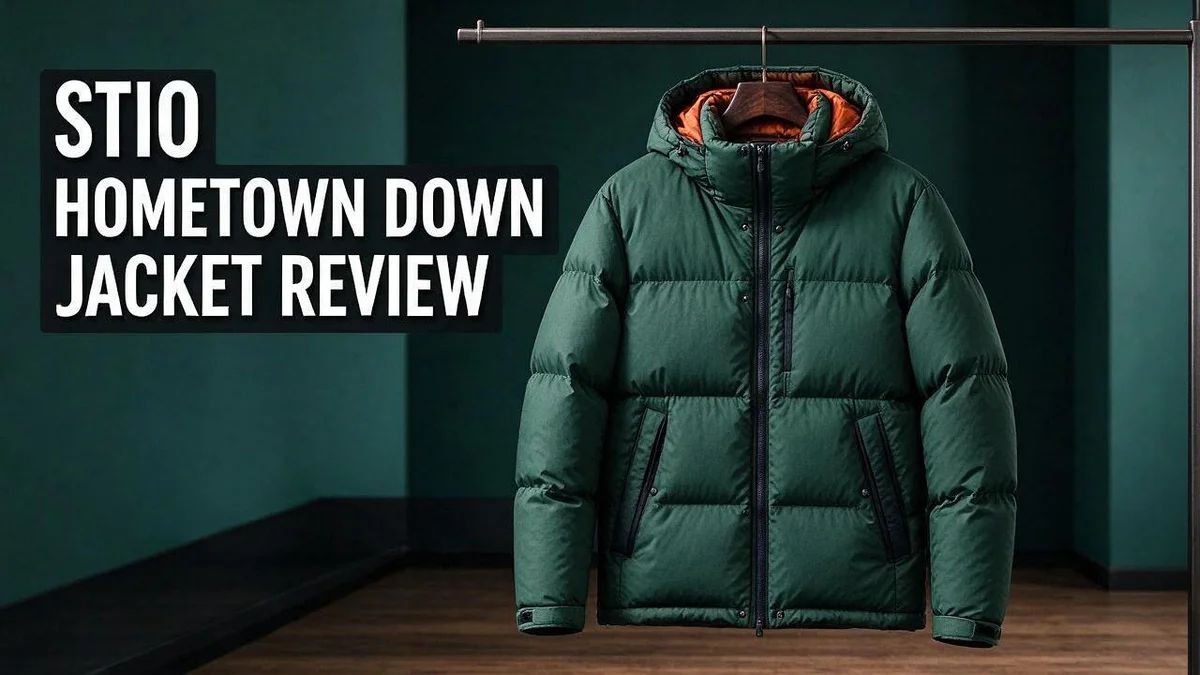
Stio Hometown Down Jacket Review: Live Up To The Hype?
Cold mornings call for a jacket that actually keeps you warm. The Stio Hometown down jacket is built for exactly that job.
Many people search for a warm layer that also handles light rain. This jacket answers that need with a water repellent finish that dries faster.
Inside, you get 800 fill goose down. The down is responsibly sourced and certified to the Responsible Down Standard.
The shell uses 100% recycled nylon. It feels light on the trail, yet it holds plenty of heat.
Users say it is exceptionally warm. Some users report that it fits true to size.
Hiking, dog walks, and chilly city days all suit this jacket well. In this review, you will find the key specs, the pros and cons, and how it compares to other options.
In a Nutshell
- Fits true to size: Many buyers say this jacket fits as expected. Most people can order their usual size and feel comfortable right away.
- Responsibly sourced down: The women’s listing shows Responsible Down Standard certification. This label tells you the down comes from a verified supply chain.
- Quick drying finish: A water repellent finish helps the jacket shed light moisture. It also dries faster after a damp hike or a wet dog walk.
- Sleeve length caution: One buyer felt the sleeves ran long, but this claim is not confirmed. Measure your arm length before you order to be safe.
- Pants sizing issue: One user found sizing problems with the matching pants, not the jacket itself. Check the pants size chart carefully if you plan to buy the set.
- Strong comparison pick: The Stio Dawner Hooded Jacket offers warmth similar to the Nano Puff. It also breathes better, which suits active days on the trail.
Material and Fabric Quality

- Comfortable: Outdoor Ventures puffer jacket with hood features high-tech insulation to insulate cold air and retain...
- Humanized Design: Outdoor Ventures warm winter jacket with hood includes 2 outside zippered pockets and 2 inner pockets...
Last update on 2026-10-13 / Affiliate links / Images from Amazon Product Advertising API
Material quality matters more than many shoppers expect. A jacket can look great on a shelf but fail on a cold trail.
The outer fabric is the first barrier between you and the weather. It also decides how the jacket moves when you climb, reach, or lift a leash.
Think about how the shell handles wind. A tight weave slows cold air from passing through the layers underneath.
Down works by trapping heat in tiny air pockets. Higher loft means more space for that warm air to sit.
Loft is not fixed forever. Store the jacket loosely in a large bag or on a hanger. Avoid leaving it packed tight for long periods.
Washing needs care too. Use a gentle cycle with a down soap. Dry it on low heat with a few clean tennis balls to break up clumps.
Packability is another strong point. Down compresses small, so the jacket can fit into a daypack without much bulk.
Synthetic insulation works differently. It keeps some warmth when damp, which many hikers find useful. Down usually feels lighter and softer, though.
A durable shell matters for trail and dog walk use. Branches, rocks, and rough surfaces can wear thin fabric over time.
Layering also changes how the fabric performs. A thin base layer keeps moisture away from the skin, so the down stays dry longer.
Try the fabric before you commit. Rub the sleeve between your fingers and feel the weight. Check the zipper and seams for neat stitching.
Good materials make a jacket feel like a trusted companion. Quality shows up in everyday comfort, not just on a product page, and it helps the jacket last for many seasons.
Warmth and Insulation
Warmth depends on more than the jacket alone. Your activity level, body heat, and the air around you all shape how cold you feel.
The men’s version carries a moderate insulation rating. That makes it a strong fit for steady movement, like brisk hikes and quick dog walks.
Moderate warmth works best as one part of a layering system. Wear a thin top underneath to pull sweat away from your skin. Carry a heavier insulated piece for long breaks.
Your body cools fast when you stop moving. A jacket that feels perfect on a climb can feel chilly at a summit or a lunch stop. Keep a spare layer in your pack for those pauses.
Wind changes how warm you feel, too. Cold air pushing through open zippers or gaps at the cuffs steals heat quickly. Zip the front fully and close the cuffs snug. This keeps the warm air close to your body.
Fit matters for warmth as well. A cut that sits too loose lets cold air slip inside. A cut that feels too tight squeezes the insulation and limits movement.
Pro tip: Test the jacket in the conditions you expect. Walk around, climb a few stairs, and stand still for a minute. This shows whether you stay comfortable when your activity changes.
Your neck, wrists, and head lose heat quickly. Pair the jacket with a hat, a neck gaiter, and gloves for the coldest days. These small extras make a big difference.
At camp, the jacket works as an easy over layer. Slip it on after dinner when the sun drops and the air chills.
Warmth is about balance. The right mix of insulation, wind protection, and fit keeps you comfortable for longer.
Fit and Sizing
Getting the fit right matters more than many shoppers expect. A jacket that feels perfect in a store can feel different on a long trail. Start by measuring your chest, shoulders, and arm length. Then compare those numbers with the size chart before you buy.
Sleeve length deserves a close look. Bend your elbows and hold your arms forward. Your cuffs should cover your wrists without bunching or sliding up. Repeat the test with your arms overhead.
Think about layers before you choose a size. A thin base layer and a fleece need room underneath. Leave enough space for your mid layer. If the jacket feels tight over a sweater, size up one step.
Movement matters too. Lift your arms, twist your torso, and crouch down. The hem should stay in place, and the shoulders should not pull. Dog walks involve quick turns and sudden stops, so test those motions at home.
The men’s version uses a streamlined fit. Streamlined means the cut follows the body with less extra fabric. Shoppers who like a relaxed feel may want a size up. Shoppers who plan to wear thick layers should consider that choice carefully.
Shop for each piece on its own size chart. Matching sets do not always share the same cut. Check the jacket and pants separately so you do not have to guess.
A tight cut can press the insulation flat, which lowers warmth. Good fit leaves a little air space for heat to stay trapped near your body. Comfort and warmth work together.
Before you commit, wear the jacket with the gear you plan to carry. Add a daypack or hold a leash for a few minutes. Check the collar and cuffs for any rubbing or gaps.
The hood deserves attention as well. It should fit over a hat without blocking your side view. Gaps at the neck and wrists let cold air sneak in, so check those areas closely.
Finally, trust how the jacket feels after several minutes of movement. A comfortable fit should feel roomy in the chest and easy in the arms. If anything pinches, return it and try the next size.
Top 3 Alternatives
Cold weather calls for a warm layer that doesn’t weigh you down. These three down jackets each offer warmth, comfort, and easy packability. Each one suits a different kind of day.
Patagonia Down Sweater

- Robust shell fabric crafted from 100% recycled polyester ripstop with a durable water repellent (DWR) finish
- Premium 800-fill-power goose down insulation
Last update on 2026-11-03 / Affiliate links / Images from Amazon Product Advertising API
This jacket feels soft and light on the body. It uses responsibly sourced down that traps heat well in cool weather. The outer fabric resists light wind, so it works for walks, travel, or casual outings. Many hikers wear it under a shell on chilly mornings.
Arc’teryx Cerium Jacket

- Responsibly Sourced 850 Fill Down Jacket: Embrace winter with our men's down jacket, featuring premium 850 fill...
- Versatile Winter Gear: This down jacket for men is fit for a multitude of settings and adventures, from hiking and...
Last update on 2026-11-03 / Affiliate links / Images from Amazon Product Advertising API
This jacket delivers strong warmth for its size. It packs into a small pocket, which saves space in your backpack. The shell handles light snow and cool rain with ease. Climbers and campers often like its slim, athletic fit. It also layers well under a hard shell when conditions turn rough.
Uniqlo Ultra Light Down

- [More Comfortable] Outdoor Ventures puffer jacket features high-tech insulation to insulate cold air and retain warmth...
- [Humanized Design] Outdoor Ventures men puffer jacket includes 2 outside zipper pockets and 1 zipper chest pocket. It is...
Last update on 2026-11-03 / Affiliate links / Images from Amazon Product Advertising API
This jacket keeps things simple and practical. It weighs very little and folds into its own pocket. It suits everyday errands, commutes, and mild travel days. Wear it as a midlayer or as a standalone top when the air turns crisp. It makes a dependable choice for people who want warmth without bulk.
Style and Everyday Wear
Many people want one jacket that works in almost every setting. The Stio Hometown Down Jacket fits that goal. It feels right for a quick coffee run and a relaxed weekend walk.
Your daily routine often changes from hour to hour. You might dash between errands, wait outside a school gate, or grab groceries after work. This jacket moves with that pace. It stays warm without making you feel weighed down.
The outer shell uses 100% recycled nylon fabric. Many shoppers like knowing their jacket starts with recycled materials.
The women’s version carries Responsible Down Standard certification. That label gives peace of mind about how the down was sourced. Pair it with jeans, chinos, or joggers, and the look stays easy and modern.
Style matters on days when you do not plan to hike at all. The jacket keeps a simple look, so it suits casual outfits well.
Dog walks fit into this everyday style too. A quick neighborhood loop feels natural in this jacket. It never looks out of place at the park.
Think about your usual week. If you spend time outdoors before work or after school, this jacket fits right into the routine. It becomes a dependable choice when temperatures drop.
Swap the outfit, not the jacket. Wear it over a fitted tee with dark jeans for a clean daytime look. Then add a scarf and boots for a cozy city feel.
Many people find that one jacket saves time each morning. You grab it, zip up, and head out the door. That ease makes the Hometown a helpful pick for busy days.
Comfort matters as much as looks. A jacket you enjoy wearing gets worn more often. That habit makes the jacket a true staple in your closet.
Consider where you wear it most. City streets, trails, and cozy cafés all call for a warm, flexible coat.
Care and Durability
Good care keeps the Stio Hometown looking and performing its best. Down and shell fabrics both need gentle handling. Simple habits extend its life.
Always check the care label first. Use a mild soap made for down. Harsh detergents can strip natural oils from the down and weaken the fill over time.
Wash the jacket on a gentle cycle. Use warm water and rinse fully. Squeeze gently and avoid wringing, which can tear the fabric.
Spot clean small stains with a soft cloth. This method avoids soaking the whole jacket too often. Most people only need a full wash once or twice a season.
Dry it on low heat with a few clean tennis balls or dryer balls. The balls break up clumps and help the down regain loft. Dry it fully before storing, since trapped moisture can cause odor.
The water repellent finish fades with time. Dirt, body oils, and friction speed up the process. When water stops beading on the surface, wash the jacket and apply a spray treatment made for down or synthetic shells.
Store the jacket loosely in a breathable bag or hang it in a closet. Long compression in a stuff sack can flatten the insulation, so reserve the sack for trips.
Check zippers, seams, and cuffs after each season. Catch small snags early. Many small tears can be patched with repair tape made for outdoor gear. Keep the cuffs and collar clean too. Body oils build up there first and can wear the fabric thin.
Recycled nylon shells handle regular use well. Still, rough surfaces like rock and brush wear them down. Patching early protects the down from leaking out.
Treat the jacket with care and it will serve you on many hikes and dog walks. A little attention each season keeps it warm, dry, and ready.
Pros and Cons
Pros
- It delivers exceptional warmth on cold days.
- The water repellent finish helps it handle light moisture.
- Many users say it fits true to size.
- It works well for hiking and quick trips outdoors.
Cons
- Some buyers think the sleeves run long.
- The men’s version offers only moderate insulation.
- A few users report sizing trouble with the matching pants.
- Some sizing feedback comes from only a small number of buyers.
Who Should Buy It
If you run cold, this jacket deserves a spot on your shortlist. Many shoppers want a piece that keeps them warm without feeling heavy.
Chilly evenings often catch people off guard. A thin fleece cannot always keep up, but this jacket adds real warmth.
City commuters can also benefit from this style. A clean, simple look fits into an office or a quick coffee run.
Think about the cold walk from the train or the morning bus stop. You can zip up and head out without carrying extra gear.
Campers and car travelers may appreciate the piece too. Evenings around a campfire can turn chilly fast, and this jacket helps you stay comfortable at camp.
Gift shoppers have a good reason to consider it. Buying for a partner or friend who loves the outdoors feels easy when the style works on the trail and in town.
People who like to layer will find it useful. It slips under a rain shell or over a base layer, so you can adjust for changing weather.
Travelers who pack light should weigh the bulk before they decide. A jacket with this much insulation takes up more room in a suitcase or daypack than a thin shell.
Hot weather hikers may want a lighter option instead. Mild climates rarely call for this much warmth, so check your local forecast first.
Spring and fall buyers should think carefully. Mild afternoons can feel warm once you start walking, so pack a lighter layer for those days.
Finally, ask yourself how often you will wear it. A jacket that fits your routine will earn its place in your closet, and that is the real measure of a good buy.
Final Verdict
The Stio Hometown down jacket earns a spot on many cold weather shortlists. It suits people who want real warmth without a bulky look. Still, a few details should guide your final choice.
Test the fit before you commit. Raise your arms, reach forward, and check how the cuffs sit. A good fit keeps heat in and blocks cold drafts at the wrists. Wear the layers you plan to use.
Think about your layers. This jacket works best as an outer layer over a thin shirt or fleece. A thick sweater may feel tight underneath. Leave room so your movement stays easy.
Compare warmth with your weather. The men’s version offers moderate insulation, so very harsh winters may call for something heavier. Be honest about the coldest days you face.
Match the jacket to your routine. Dog walks, short hikes, and chilly commutes suit its strengths well. Long mountain trips in heavy snow may need a warmer partner piece.
Treat the pants as a separate purchase. A few users report sizing trouble with the matching pants, not the jacket. Measure your waist and inseam before you order them.
Compare it with the Dawner if breathability matters. The Stio Dawner Hooded Jacket offers similar warmth with more breathability. Choose it when you move fast or sweat easily on climbs.
Consider a lighter option for warm days. Hot weather hikers may prefer something thinner. This jacket shines during cold, dry, or damp conditions instead.
Check the return policy first. Fit problems are easier to fix when you can send items back. Keep the tags attached until you know the jacket feels right. This small step saves frustration.
The final verdict is positive. The Stio Hometown delivers strong warmth, handy water resistance, and recycled materials. It rewards buyers who spend cold, damp days outside. Your everyday wear will show whether it earns a permanent place in your closet.
Frequently Asked Questions
Is the Stio Hometown down jacket made with responsible down?
Yes. The women’s listing says the jacket uses Responsible Down Standard certified down. It has 800 fill goose down that is responsibly sourced. This helps if animal welfare matters to you.
How does it compare with the Stio Dawner Hooded Jacket?
The Dawner offers similar warmth to the Nano Puff, but it feels more breathable. The Hometown fits better when you want maximum insulation on a cold day. The Dawner works better when you move fast and heat up quickly.
Do the men’s and women’s versions differ?
Yes, they do. The men’s version has a streamlined fit. The women’s listing highlights a water repellent finish and 100% recycled nylon fabric. Feature lists can change, so check the exact listing you plan to buy.
What should I check on the product page before buying?
Look at the fill type, the certification, and the fabric details. Then compare the size chart with your usual fit. Read the listing for the version you want, since men’s and women’s details often differ.

Lipi is the founder and lead reviewer behind Fashion Reviewed. With a keen eye for quality, style, and value, she brings years of experience in fashion analysis and trend spotting to every review. Her passion for helping others discover amazing fashion finds drives the honest, detailed content you’ll find on this blog.