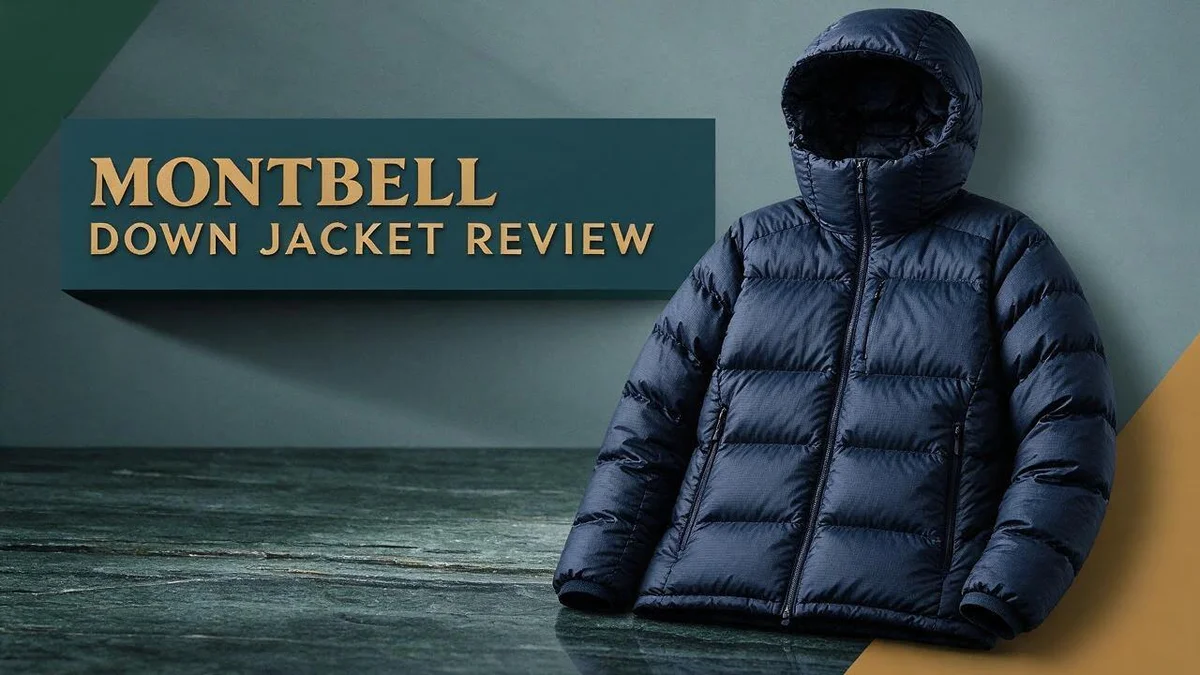
Montbell Down Jacket Review 2026: Is It Worth Trying?
Cold weather can sneak up fast on the trail or in the city. You need a jacket that keeps you warm without weighing down your pack. That is where a Montbell down jacket shines.
Montbell has built a loyal following among hikers, climbers, and travelers. Their designs focus on warmth and light weight. Many owners say these jackets pack down small enough to fit in a daypack.
This review covers the Alpine Light Down Jacket for men and the U.L. Travel Down Coat for women. We look at their strengths, their weak spots, and how they stack up against rivals like Rab, Patagonia, and Arc’teryx.
Warmth for the weight is the main reason people buy them. Still, every jacket has its compromises. Keep reading to see if a Montbell down jacket fits your next adventure.
In a Nutshell
-
Packability stands out most. The jacket folds down small enough to fit inside a day pack or a carry on bag. It takes up very little room on long trips.
-
The shell needs careful handling. The ultra thin fabric can tear under strong rubbing or sharp impact. Keep it away from rough rock, pack straps, and sharp gear edges.
-
Wet conditions remain a concern. Down clumps and loses its loft when it gets soaked. Bring a rain shell on damp or snowy trips to keep the insulation dry.
-
The fit suits a specific body type. The cut runs slim and works best for stocky builds with shorter torsos. Taller or broader frames should check sizing charts and try the jacket on before a long trip.
-
The Permafrost parka handles moisture differently. It uses welded baffles that seal the stitch holes, so it resists water far better than standard stitched designs.
-
Rival brands offer different strengths. The Rab Mythic Ultra appeals to fast movers, while the Haglöfs Spitz Down Hoody suits women who want a classic feel. Patagonia and Arc’teryx also give shoppers strong options to compare.
Shell Fabric and Construction

- Packable Protection for Mountain Pursuits | With a high warmth-to-weight ratio and impressive packability, this down...
- Eco-Friendly Materials | Made with recycled fabrics and insulated with ethically sourced recycled down.
Last update on 2026-11-03 / Affiliate links / Images from Amazon Product Advertising API
The outer shell shapes how this jacket feels and performs. Montbell uses different fabrics across its models, so the details matter.
The men’s Alpine Light Down Jacket uses an original ballistic nylon shell. Its tight weave helps it hold up to everyday wear.
The women’s U.L. Travel Down Coat takes a different path. It uses a two layer DRYTEC shell made from 12 denier ripstop fabric.
Ripstop has a fine grid of reinforced threads. These threads stop small tears from spreading across the jacket.
The DRYTEC shell also gets a PFAS free water repellent finish. Light rain beads up and rolls off the surface.
Inside, a 20 denier ballistic nylon taffeta lining protects the down. The smooth lining slides easily over base layers.
Denier measures how thick a single thread is. A lower number means a finer thread and a lighter jacket.
Construction matters just as much as fabric. Stitched baffles create small chambers that hold the down in place.
Even chambers spread warmth across the chest, back, and arms. Gaps between chambers can leave cold spots if the stitching is loose.
Every stitch line also creates a tiny needle hole. Careful sewing keeps these holes small and the jacket warm.
Good construction also depends on small details. Smooth zippers and soft cuffs help protect thin fabric from snags.
Pocket placement matters too. Zippered pockets keep small items safe without adding bulk over the core.
The shell also affects how warm the jacket feels in wind. A tight weave blocks light gusts better than a loose one.
Each layer works with the others. The light shell, fine lining, and even baffles form one warm system.
Testing a jacket in a store helps too. Check that the outer fabric feels smooth and firm, not papery.
Warmth and Fill Power
Warmth in a down jacket comes from trapped air, not from the fabric itself. Tiny down clusters hold pockets of air close to your skin.
This is where fill power matters. It measures how much space one ounce of down can fill. Montbell uses down in the 800 to 1000 range. Higher numbers usually mean more loft for less weight.
Think of loft like a fluffy blanket. The more air it holds, the more heat it keeps in.
Fill power alone does not tell the full story. The total amount of down inside also shapes warmth. A high fill jacket with little down may feel thinner than expected.
Layering works well with this kind of jacket. Wear it over a base layer on cold mornings. Add a fleece underneath when the temperature drops further.
Wind cuts through even thick insulation. Pair the jacket with a light wind shell on gusty ridges. The shell blocks air movement so the down can do its job.
Sudden chills at camp call for quick action. Toss the jacket on over a shirt during a rest stop. Down reacts fast to body heat, so warmth returns quickly.
Rest stops are where many people lose heat. Sitting still lets sweat cool and drains energy. Reach for the jacket before shivering starts.
Good care keeps the warmth alive. Store the jacket loosely in a large bag. Crushed down slowly loses its spring over time.
Wash it only with a gentle down cleaner. Dry it on low heat with a few clean tennis balls. The balls break up clumps and restore loft.
Sleep warmth works in a similar way. A jacket can serve as an extra layer inside a sleeping bag on chilly nights. Keep it dry before you climb in.
Choose your warmth based on your own cold tolerance. Some people run hot while others feel chilled at rest. Think about how you move, eat, and recover during long days outside.
Weight and Packability
When you pack light, every gram counts. This Montbell down jacket feels almost weightless in your hand. Many hikers forget how much a jacket adds up over a long day.
Packability describes how small the jacket becomes when you stuff it away. It folds into a compact bundle that fits easily in a daypack. You can tuck it beside your water bottle or into a side pocket.
Here is a simple way to pack it. Lay the jacket flat, then roll it from the hem toward the collar. Press out the air as you go, and the bundle shrinks fast.
A compression sack helps even more. A small stuff sack squeezes the down into a tight shape. Many people find this makes the jacket easier to reach during a quick stop.
Light weight matters most on long days. Every extra ounce feels heavier after several hours on the trail. A light jacket reduces shoulder strain and keeps your pack balanced.
It also suits travel. Airline carry-on space fills up fast, so a small jacket leaves room for other gear. You can wear it through the airport and stash it later.
Your pack size shapes the choice too. A tiny bundle slides into a crowded backpack without stealing space from food or a first aid kit. Smaller packs also keep your center of gravity steady.
The tradeoff is worth knowing. Thin insulation packs tiny but offers less coverage in strong wind. Think about your route, the weather, and your pace before you decide. A light jacket works best as a dependable layer, not a replacement for heavier gear on cold mountain days.
Top 3 Alternatives
Patagonia Down Sweater

- Robust shell fabric crafted from 100% recycled polyester ripstop with a durable water repellent (DWR) finish
- Premium 800-fill-power goose down insulation
Last update on 2026-11-03 / Affiliate links / Images from Amazon Product Advertising API
Warm and soft for everyday layering. The Patagonia Down Sweater uses lightweight down that traps heat well.
It feels cozy on its own or under a shell. Many people wear it around camp or on chilly city walks.
Its quilted design keeps warmth in place. The fabric also resists light wind, so breezy days feel easier.
Uniqlo Ultra Light Down

- [More Comfortable] Outdoor Ventures puffer jacket features high-tech insulation to insulate cold air and retain warmth...
- [Humanized Design] Outdoor Ventures men puffer jacket includes 2 outside zipper pockets and 1 zipper chest pocket. It is...
Last update on 2026-11-03 / Affiliate links / Images from Amazon Product Advertising API
Compact warmth for travelers. The Uniqlo Ultra Light Down packs into its own pocket. It weighs very little, so you can carry it anywhere.
Many travelers keep one in their bag for sudden temperature drops. It fits neatly under a raincoat or sweater on cool evenings.
Its clean, simple look suits both outdoor trips and casual outings.
Arc’teryx Atom Hoody

- Performance Insulation for All Conditions - This men’s light jacket features resilient Coreloft Compact 60 insulation...
- Casual Versatility for Every Adventure - Designed as a standalone or midlayer, this men’s insulated jacket with hood...
Last update on 2026-11-03 / Affiliate links / Images from Amazon Product Advertising API
Performance insulation for active days. The Arc’teryx Atom Hoody uses synthetic insulation that stays warm even when damp. It suits hiking, climbing, and other cold-weather activity.
The hood adds extra protection around the head and neck. Its slim fit allows easy movement under a backpack.
Hikers who need reliable warmth in changing weather often choose this model.
Fit and Sizing
Fit shapes how warm this jacket feels. A good fit keeps heat close to your body. A poor fit lets cold air slip in.
Montbell cuts these jackets on the slim side. The design suits a stocky build with a shorter torso better than a long, lean frame.
Start with the shoulders. The shoulder seams should sit at your natural shoulder edge. If they droop past it, the sleeves feel loose and bunch up.
Check the sleeves and hem. Sleeves should reach your wrist bone when your arms hang relaxed. The hem should cover your hips without riding up when you bend.
Leave room for your layers. Try the jacket over the mid layer you plan to wear most. A thin fleece should fit without squeezing your arms.
Test movement in the store. Raise your arms overhead and reach forward. The back should not pull tight, and the jacket should stay in place.
Watch for gaps. Loose cuffs or a short hem let warm air escape. Snug, but never tight, is the goal.
Try the hood with a beanie. A hood that fits your head keeps heat in. Turn your head slowly to see if the hood moves with you.
Consider sizing up with care. If you fall between two sizes, pick the one that suits your layers. Too much extra room means your body must heat empty space.
Read the size chart closely. Measure your chest and torso before you order. Compare those numbers with the brand chart, not with your usual size from another brand.
A quick sit test also helps. Sit down and bend forward. If the back hem lifts far above your waistband, the torso may feel too short for you.
Keep the tags and receipt until you decide. Wear the jacket around the house for a few minutes. Real movement tells you more than a mirror does.
Durability and Water Resistance
Durability is a big question with Montbell down jackets. Their designs focus on light weight, so the outer fabric is very thin.
Thin fabric can tear. Strong friction or a hard impact can damage the shell. A small snag on a fence can leave a hole. Rough rock edges, backpack straps, and sharp branches pose the biggest risk.
Men’s models like the Alpine Light use an original ballistic nylon shell. This nylon adds some toughness without adding much weight.
Women’s options like the U.L. Travel Down Coat take a different route. They use a two layer DRYTEC shell with a 12 denier ripstop face. The ripstop weave helps stop small tears from spreading.
Water resistance starts with the shell. The DRYTEC layer carries a PFAS free water repellent finish. Light rain beads off the surface quickly.
Heavy rain is a different story. Long walks in steady rain test the shell the most. Over time, water can soak through the fabric.
Wet down is the real weak point. Soaked down clumps together and loses its loft. Warmth drops fast once the insulation gets wet. This is why a shell matters so much.
Seam construction matters too. The Permafrost parka uses welded baffles instead of stitched ones. Welded baffles remove the stitching holes where water can enter, so the parka feels effectively waterproof.
Permafrost offers the strongest protection in this group. It suits wet and stormy trips best, though it may not pack as small.
Pack a light rain shell over your down jacket on wet days. It keeps the insulation dry and extends the life of the jacket.
Dry the jacket fully after any soaking. Hang it in a warm room away from direct heat. Trapped moisture can weaken the down over time.
Choose your jacket based on the weather you face. Dry, cold trips suit a light design. Wet climates call for welded seams and a sturdier shell.
Pros and Cons
Pros
- Strong warmth for the weight you carry
- Fill power of 800 to 1000 gives a lofty, cozy feel
- Lighter than many Patagonia options at 800 to 900 fill
- A strong pick for ultralight hikers who want less bulk on their back
Cons
- The slim cut may feel tight on taller or broader frames
- Rab Mythic Ultra is a close rival worth comparing
- Thin fabric is not built for rough, everyday wear
Who Should Buy It
This jacket suits a clear type of buyer. It works best for people who count every gram in their pack.
Fast and light hikers often cover big miles in a single day. They want serious warmth without extra weight. This jacket gives them that balance.
Cold sleepers gain a lot from it too. Slip it on at camp after dinner when the temperature drops fast. Your core stays warm while you read, cook, or rest.
Dry climate adventurers are another strong match. Desert nights, high alpine routes, and crisp winter days suit this jacket well. Cold air stays dry, so the down keeps its loft and warmth.
This jacket is not a storm shield. Those who face rain or wet snow most days should look at other options.
Backpackers who want a spare layer will appreciate it too. It can stay buried at the bottom of the bag until a sudden cold front arrives. Then it becomes a quick source of comfort.
Layering fans can use it in many ways. It slides over a thin base layer on cool mornings. It also works as a top layer under a shell on chilly summits.
Photographers and birders spend long periods standing still. Standing still chills the body fast. This jacket adds warmth without restricting movement.
Shoppers who expect one jacket for every season may feel limited. This piece works as a specialist layer rather than an all-season answer. Pair it with other gear for full coverage.
Ask yourself a few honest questions first. Do you hike mostly in dry conditions? Do you want a jacket that handles cold nights without adding bulk? Can you treat delicate fabric with care?
If you answered yes to most of these, this jacket may suit you well. It rewards careful owners who value warmth and lightness above everything else.
Final Verdict
A Montbell down jacket earns a spot in your pack for the right reasons. It packs small, weighs little, and keeps you warm. Those strengths matter most on long, dry days outdoors.
Think of this jacket as a specialist tool, not an everyday coat. It works best on dry trails, chilly camps, and fast days in the mountains. Rough handling and heavy rain are where it falls short.
Your decision should start with a simple question. Do you need light warmth more than storm protection? If the answer is yes, this jacket deserves a close look.
Pack it for travel and camp life. The jacket compresses into a small space, so it fits easily in a daypack or duffel. It also makes a comfortable pillow or extra layer on chilly evenings.
Think about seasons, too. Spring and autumn trips in dry air suit this jacket well. Deep winter or wet shoulder seasons call for heavier protection.
Care makes a big difference over time. Store the jacket loosely in a large bag rather than a tight stuff sack at home. Use a down safe wash and dry it fully before packing it away.
Your gear list should stay balanced. Pair this jacket with a warm mid layer and a shell. Together, they cover most conditions without adding much weight.
Finally, trust your own testing. Wear the jacket on a short walk before a long trip. Notice how it feels when you move, sit, and sleep.
In short, this jacket rewards careful use. Treat it well, pick the right trips, and it can serve you for many seasons. Leave the storm gear to a different jacket, and this one will shine.
Frequently Asked Questions
Will this down jacket keep me dry in the rain?
No, it will not. Down loses insulation when it gets wet, so a light rain shell should cover it on damp days. If you need more protection, the Permafrost parka uses welded baffles that block moisture better than standard stitched seams. Keep your down dry, and it will keep you warm.
What shell does the women’s model use?
The U.L. Travel Down Coat features a two layer DRYTEC shell made from 12 denier ripstop fabric. The water repellent contains no PFAS chemicals. A 20 denier ballistic nylon taffeta lining sits inside, which helps the jacket feel smooth against your layers.
Which women’s alternative should I compare?
The Haglöfs Spitz Down Hoody ranks as a top pick for women. It gives shoppers another strong option to test before making a decision. Try both jackets in the same size and compare how they feel when you move.
Which men’s model fits best?
The Alpine Light Down Jacket uses an original ballistic nylon shell. It suits men who want a light, packable layer for fast days on the trail. Check the fit through the shoulders and torso before you commit, since the cut runs slim.

Lipi is the founder and lead reviewer behind Fashion Reviewed. With a keen eye for quality, style, and value, she brings years of experience in fashion analysis and trend spotting to every review. Her passion for helping others discover amazing fashion finds drives the honest, detailed content you’ll find on this blog.