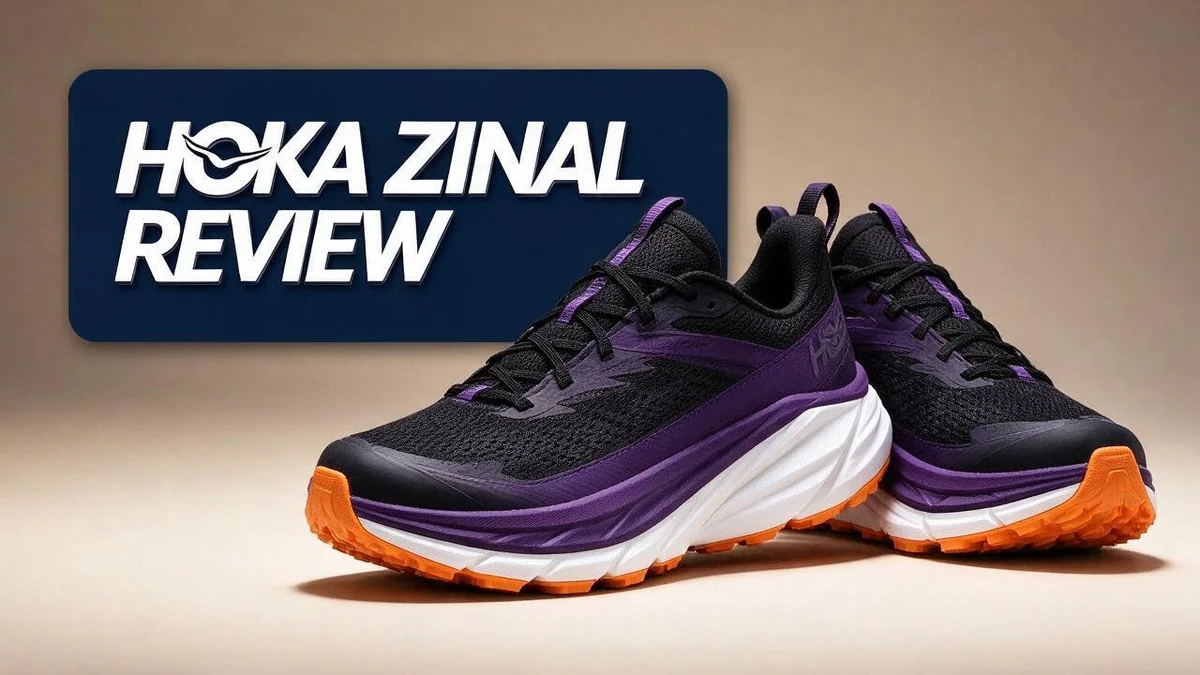
Hoka Zinal Review: Is It Worth Your Money?
If you love fast trail miles, the Hoka Zinal might become your next favorite shoe. It feels light and nimble, and its low stack helps you move quickly. Many runners want a shoe that responds well on every trail step.
Hoka built the Zinal with a PROFLY midsole. The top layer uses ultralight foam, and the base uses rubberized EVA. You get a 19mm forefoot cushion and a 5mm drop, which keeps the ride responsive.
The outsole uses Vibram Megagrip rubber with 5mm lugs. This grip helps on wet rock and loose dirt. The upper fits like a sock and hugs your foot, so it feels comfy from the first run.
In this review, we check how the Zinal performs on real trails. Read on to see if it fits your running style.
In a Nutshell
The Hoka Zinal suits runners who love speed. Here is a quick summary of what this shoe offers on the trail.
- Built for speed: The Zinal feels light and nimble under your feet. Runners who want quick, fast miles on dirt paths and rocky routes will enjoy how it responds.
- Low profile ride: The low stack encourages quick transitions between steps. The rebuilt version measures 30/25mm, which is 2mm less than the prior model.
- Sure footed grip: High traction rubber keeps your footing steady on wet roots, loose gravel, and muddy spots.
- Snug, sock like fit: The upper hugs your foot well. Hoka sizing stays consistent, so you can order with confidence.
- Comfy from the first step: Zinal 2 feels comfortable right out of the box. It also breathes well on warm days, which keeps your feet cool.
- Stiff climbing help: Zinal 3 has a stiff build that feels steady on steep climbs. It also swaps in PEBA midsole foam for a different ride.
Midsole Cushioning and Stack Height

- When fast trails require fancy footwork, the Zinal 3 is refreshed and ready to rip. Recrafted with an SCF midsole for a...
- Lightweight leno weave
Last update on 2026-11-03 / Affiliate links / Images from Amazon Product Advertising API
Midsole cushioning shapes how the Zinal feels with every stride. Its midsole works in two layers, so each part does a different job.
The top layer uses ultralight foam that feels soft and light. Below it sits a firmer layer of rubberized EVA, which adds support when you push off hard.
The forefoot carries about 19mm of cushion. That amount gives you a good layer of protection between your foot and the trail. Rocks and roots feel less sharp underfoot.
The heel to toe drop measures 5mm. This small gap keeps your stride balanced on steady climbs and fast descents.
Stack height changed in the rebuilt version. The midsole now measures 30mm at the heel and 25mm at the forefoot. That is a 2mm reduction from earlier versions.
Stack height matters on technical ground. A lower stack gives you more feel for the trail under your feet. It also gives you more control when you change direction.
Zinal 3 takes a different path with PEBA midsole foam. PEBA is known for lively energy return and light weight. Runners who want a bouncier feel may enjoy this newer foam.
Who gets the most from this setup? Runners who want a balance of cushion and speed will like it. Those who want very thick, plush comfort for long ultra days may prefer a higher stack shoe.
Cushion level also affects how your legs feel after a hard effort. A moderate stack can help you feel fresher on shorter runs. Longer routes may call for extra padding.
Try the shoe on a short run first. Notice how your feet feel on rocky descents and tight turns. Your own stride will show you if this midsole fits your style.
Outsole Traction on Technical Terrain
When trail running gets technical, the outsole does most of the heavy lifting. Every step depends on what touches the ground.
The Zinal lugs bite into soft dirt and loose gravel. They also help you stop on slick downhill sections.
Lug spacing matters on mixed ground. Wider gaps tend to shed mud quickly. Tighter patterns usually hold steadier on hard rock.
Downhill runs put the most stress on grip. Your foot lands hard, and the shoe must slow you down. A sticky rubber helps you hold a steady line.
Climbs ask for a different kind of traction. Your toes push off, and the lugs need to catch the surface.
Wet roots can feel slippery, even with good rubber. Test the shoe on a damp trail before a big race.
Mud and wet rock behave differently. Mud can clog deep lugs over time. A quick rinse after a muddy run keeps the outsole clean.
Rock ledges need a secure contact patch. Flat sections feel stable, while thin edges can slip on smooth stone.
Wear changes traction too. Lugs flatten after many miles, so check the outsole often. Replace the shoes once the pattern looks smooth.
Rocky descents reward sharp, confident footwork. Good traction lets you commit to each step without hesitation.
Your running style changes the grip you need. Heel strikers push into the ground differently than quick midfoot runners do.
Runners who also consider the Hoka Speedgoat or New Balance Fresh Foam Hierro should compare outsoles side by side. Look at lug shape, depth, and rubber feel in person.
Weather plays a role too. Dry dirt feels grippy, but a light rain can make the same trail slick.
Try the shoe on local trails first. Notice how it handles roots, gravel, and steep dirt. This shows your real level of grip.
Upper Design and Breathability
When you look at the Zinal, the upper is the first thing you notice. It wraps your foot and sets the feel of the whole shoe.
The upper uses recycled material. That choice cuts waste from new materials. Many runners who care about the planet appreciate this detail.
Breathability matters on warm trails. Your feet heat up fast on long climbs. A breathable upper lets air move around your toes.
Reviews of the Zinal 2 highlight its strong breathability. Good airflow can keep the inside of the shoe drier during hot runs.
Less moisture means fewer hot spots. Sweat has less chance to pool inside the shoe. That can make long days on the trail feel more comfortable.
Airflow works best when the upper also fits well. A loose upper may move too much, while a tight one can trap heat.
Good airflow also helps during slower hikes. Heat builds up quickly when you walk uphill in the sun, so airflow matters even on easy days.
A cooler foot also keeps focus on the trail. Comfort tends to matter more than speed on long days.
Still, one review of the Zinal 2 did not earn a top rating. It pointed to the upper material as a drawback. The details were not spelled out, so the exact issue remains unclear. Checking the upper yourself helps you decide.
Try the upper on before you commit. Walk around the store and pay attention to any rubbing or pressure points. Feel how the material handles warmth after a few minutes of brisk walking. Your feet often swell slightly during a run, so check again later.
Look for signs of wear too. Check the upper for fraying after many miles.
Breathability and recycled materials make the upper a strong point. Test it yourself to see if it suits your feet.
Top 3 Alternatives
Searching for running shoes with a similar feel? These three models offer comfort, cushioning, and reliable support. Each one suits a different type of runner.
Brooks Ghost

- THIS MEN’S SHOE IS FOR: Everyday runners, walkers, and fitness enthusiasts who want the perfect blend of soft...
- LIGHTWEIGHT & DYNAMIC CUSHIONING: Powered by nitrogen-infused DNA LOFT v3 foam for a soft, responsive ride and balanced...
Last update on 2026-10-08 / Affiliate links / Images from Amazon Product Advertising API
Brooks Ghost is a popular daily trainer for runners. It delivers a smooth, balanced ride on most road surfaces.
Its midsole feels soft yet stable, so it works well for easy runs. Its design also helps reduce strain on the legs during longer runs. Many runners also praise its breathable upper and secure heel fit.
Saucony Ride

- BETTER FOAM: Experience the reformulated PWRRUN+ foam, now lighter, softer, and more responsive. Enjoy increased energy...
- UPGRADED DURABILITY & TRACTION: Improved durability and grip with more rubber in the forefoot and added flex grooves for...

Last update on 2026-11-03 / Affiliate links / Images from Amazon Product Advertising API
The Saucony Ride offers springy cushioning that feels lively with every step. It suits runners who want a responsive shoe without a stiff or harsh feel.
The outsole provides good grip, so the shoe handles wet pavement with confidence. Many runners find it a great choice for speed sessions and steady training days.
ASICS Gel-Nimbus

- Runs Large
- Engineered jacquard mesh upper: Wraps the foot with a soft feel
Last update on 2026-11-03 / Affiliate links / Images from Amazon Product Advertising API
The ASICS Gel-Nimbus brings plush cushioning and strong shock absorption. It fits runners who log high mileage and need extra comfort on hard surfaces.
Its supportive design helps keep each stride steady and controlled. Its foam layers absorb impact and help protect joints over time. Many runners choose it for long training weeks.
Pick the shoe that matches your stride, comfort needs, and running goals. Try each model on in person if you can, so you find the right fit.
Fit and Sizing
Fit matters more than any spec on this shoe. The upper wraps the foot in a snug, sock like feel.
Hoka sizing stays fairly consistent across its line. Many runners can stick with the size they already wear in other Hoka models.
Check the midfoot first. The upper should hug the middle of your foot without squeezing. If you feel pinching, the shoe may run too narrow for you.
Next, test the toe room. Your toes need space to spread when you push off the ground. Press your foot forward and make sure a little space sits past your longest toe.
The lacing system helps lock the midfoot in place. Snug the laces evenly, then check that the fit feels smooth from heel to toe.
Heel lock deserves attention too. Your heel should stay in place when you walk or jog. A slipping heel can cause blisters on long descents.
Wear the socks you plan to use on the trail. Thin running socks feel very different from thick wool pairs, so bring your usual pair to the store.
Insoles can also change the fit. If you use custom or thick insoles, bring them along. They can take up space inside the shoe.
Your feet often swell during the day. Shopping in the afternoon gives you a more accurate fit.
Walk, then jog. Walk around the store for several minutes. If the store has a ramp or open space, take a few quick steps and look for rubbing or pressure points.
Compare the fit with another trail model you already own. Notice where it feels tighter or looser. That comparison gives you a clear starting point.
If your feet swell on long days, consider a half size up. Trust how the shoe feels on your foot more than the number on the box.
A good fit makes every mile feel easier. Take your time, and do not rush the decision.
Durability and Long-Term Wear
The Zinal is a light trail shoe. Its design focuses on speed, so many runners wonder how it holds up over time. The honest answer depends on your terrain, your weekly miles, and how you store the shoes.
The midsole takes the most daily stress. Every step compresses the foam under your foot.
Over months, that foam slowly loses its bounce. You may notice the ride feels flatter before the shoe looks worn.
Watch for creasing in the midsole. Look for deep wrinkles across the foam. They often signal that the cushion has tired.
If you own an older pair, compare the feel side by side.
The rubber outsole holds up well on hard ground. Rubber compounds like Vibram Megagrip often resist wear on rocky paths.
Sand, gravel, and asphalt wear rubber faster. Rotate your routes when you can.
Heat is the biggest enemy of the upper. The recycled upper can warp when temperatures climb too high.
Skip machine dryers and never leave the shoes in a hot car.
Rinse off mud after every run. Let the shoes air dry at room temperature.
Stitching and eyelets show early stress. Check the lace holes every few rides.
Loose threads can make the upper feel less secure over time.
Storage matters more than many people think. Keep the shoes away from direct sunlight and damp corners.
Moisture and heat break down foam and glue faster than regular use does.
Rotation stretches the life of your pair. Owning two pairs gives each shoe time to recover between runs.
Foam rebounds better when it rests, so alternate days when you train often.
Know when to retire them. Most runners replace trail shoes when the cushion feels flat or the grip fades.
Torn fabric or a loose heel counter also signals the end.
Clear mileage ratings for this shoe are hard to find, so trust your own signs of wear.
Simple habits help the Zinal perform well for a long stretch. Good care keeps your trail days comfortable and your feet happy.
Pros and Cons
Pros
- The Zinal feels light and nimble on the trail.
- Its low stack helps you shift gears quickly on fast sections.
- Stiff geometry gives steady support on steep climbs.
- High-traction rubber grips well on mixed terrain.
- The ultralight foam on top adds a responsive feel.
Cons
- Some reviews of the Zinal 2 did not award top marks.
- The upper material draws criticism from some testers.
- The rebuilt version has a slightly lower stack, so it offers less cushion.
- The firmer feel may wear on you during long, rough runs.
Who Should Buy It
Speed focused trail runners should put this shoe at the top of their list. If you chase quick times on dirt paths, the light build helps you move with ease.
Road runners who want to try trails will also find a good match. Many people move from pavement to dirt and want a gentle step into off road running. The Zinal offers a familiar, nimble feel without a heavy shoe.
Racers who need energy late in the day can benefit too. Light shoes help legs feel fresher when a race drags on. A low profile keeps you connected to the ground.
Hikers who mix in short runs may like this model. If your route includes fast descents and rolling sections, the shoe keeps pace. Its grip also helps on loose surfaces.
Trail racers who train on mixed surfaces gain the most from this design. They can switch between hard packed dirt and rocky paths without changing shoes. Steady traction keeps their pace consistent.
Runners who want one shoe for many trails may find the Zinal useful. It handles quick sections and moderate climbs with ease. Save heavier options for long mountain treks.
Runners who value a soft, plush ride should look elsewhere. Plusher options such as the Hoka Speedgoat may suit long days better. Pick the shoe that matches your goals, not just the latest trend.
Beginners often feel more secure in a shoe with extra padding. This model suits runners who already know their stride. Newer trail runners can still try it, but they should test it on short runs first.
Test before you commit. Take a few short runs on your usual trails. That simple step shows whether the Zinal fits your style.
Your running goals should guide the final choice. Speed, light weight, and a close feel all favor this shoe. Comfort first runners may need another path.
Final Verdict
The Hoka Zinal earns a strong spot in the trail running market. It delivers speed, grip, and a light feel that many runners enjoy.
Its strengths are clear. It suits runners who put speed first on varied ground.
The best choice depends on your running style. A shoe that fits one runner well may feel wrong for another.
Think about the terrain you visit most often. Rocky paths and fast descents show off what this shoe does best.
Consider the fit before anything else. Hoka sizing stays consistent, which helps online buyers order with confidence.
A sock like upper can feel snug at first. Give your feet time to settle before judging the fit.
Compare it with close rivals before buying. The Hoka Speedgoat and New Balance Fresh Foam Hierro often come up in the same conversation.
Trying each shoe on the same trail gives the clearest answer. Note how each one feels on climbs, descents, and flat sections.
Your personal goals should guide the final decision. Pick the Zinal when speed and grip matter most. Choose another model when extra padding matters most.
Keep an eye on wear. A shoe that feels great today still needs care. Check the outsole for flat lugs every few months.
Pair the Zinal with a second shoe if possible. Many trail runners keep a plush daily trainer for easy days. The Zinal then handles faster sessions.
Think about the long game. Trail shoes wear down with use, so plan for a replacement. Buying with future runs in mind keeps your training steady.
Final thoughts. The Hoka Zinal suits runners who want a fast, grippy shoe. Read the fit notes, test it on real trails, and run with confidence.
With the right match, every trail run can feel smoother and more fun. Enjoy every step.
Frequently Asked Questions
Which Zinal version should I pick?
The original 2021 model uses a dual-density midsole with ultralight foam on top. The rebuilt version has a slightly lower stack, while the Zinal 3 switches to PEBA midsole foam for a different feel.
How does the heel drop feel?
The Zinal has a 5mm heel-to-toe drop with a mid-cushion build. This middle range suits runners who want a balanced stride without a steep slope under the heel.
Will the outsole grip loose dirt?
The Vibram Megagrip outsole uses 5mm lugs. This depth works well on mixed surfaces. Very muddy or loose trails may call for a deeper tread, so check the conditions you run most often.
Does the upper stay cool on warm days?
Zinal 2 earned praise for strong breathability. The sock like fit keeps the foot snug, so take a few runs in warm weather before you race in it.

Lipi is the founder and lead reviewer behind Fashion Reviewed. With a keen eye for quality, style, and value, she brings years of experience in fashion analysis and trend spotting to every review. Her passion for helping others discover amazing fashion finds drives the honest, detailed content you’ll find on this blog.