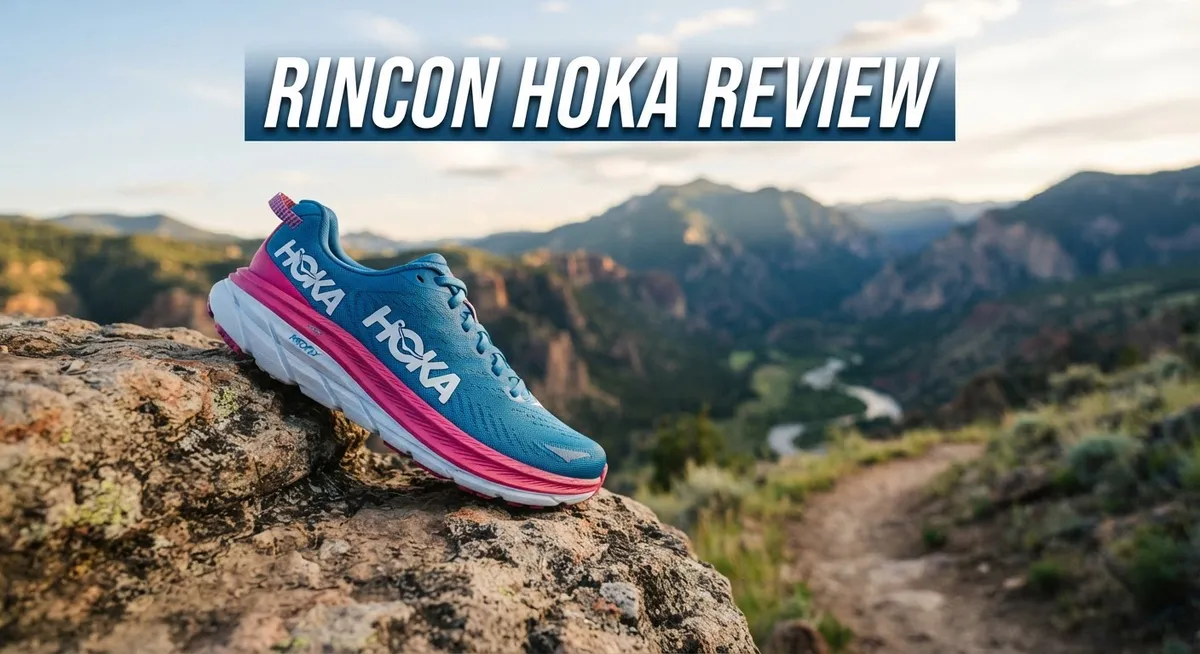
Hoka Rincon Review 2026: Is It Worth Your Money?
Looking for a lightweight running shoe that feels fast but still cushions every step? The Hoka Rincon might catch your eye.
This shoe sits lower than the popular Clifton. It skips the bulk but keeps the comfort. Runners praise its soft ride and breathable feel.
But no shoe is perfect. The Rincon has some issues worth knowing. Durability tends to drop off after 200 to 300 miles. Wet roads can also make the outsole slippery.
So is the Rincon right for your runs? This review breaks down everything you need to know. We’ll cover the real pros, the honest cons, and how it stacks up against rivals like the Clifton and Pegasus 37.
Let’s dive into the details.
In a Nutshell
Here’s the quick scoop on the Hoka Rincon before you dive deeper:
- Lightweight feel meets responsive cushioning. This shoe blends speed and comfort in one package.
- Versatile performance across different paces. It works for easy runs and faster efforts alike.
- Durability is a real concern. Most runners report a lifespan of 200 to 300 miles before midsole breakdown.
- Wet weather traction can be tricky. The outsole tends to slip on damp surfaces.
- It’s not a “magical” shoe for any single pace. The Rincon performs well but doesn’t excel at one specific speed.
- Compared to rivals like the Nike Pegasus or Asics Gel Nimbus, the Rincon holds its own on comfort. But it falls below average in overall durability ratings.
Bottom line? The Rincon offers a solid blend of comfort and agility. Just watch for wear over time and be careful on wet roads.
Build and Materials
The Hoka Rincon uses a blend of materials that keeps the shoe light without sacrificing support. The upper is made from a breathable mesh that lets air flow through easily, keeping your feet cool during runs.
The midsole features Hoka’s signature foam cushioning. This foam sits lower than the Clifton model, giving the Rincon a sleeker profile. The foam provides that top 5% cushioning rating while staying responsive underfoot. You get softness and bounce in one package.
The outsole uses a rubber compound that works well on dry pavement. However, the traction drops noticeably in wet conditions. Runners report the shoe feels slippery on rain soaked surfaces or damp trails. This is something to keep in mind if you run in variable weather.
One key concern emerges with durability. The midsole foam breaks down faster than many competitors. Most runners see the shoe lasting between 200 to 300 miles before the cushioning starts to compress noticeably. After that point, the shoe loses its responsive feel and support quality declines.
The heel counter is firm and structured. This design choice helps keep your foot stable despite the tall foam stack. The collar sits snugly around your ankle without feeling restrictive. The tongue padding is adequate but not overly thick.
The materials feel premium overall. The mesh upper has a smooth texture that resists premature wear. Stitching appears clean and consistent across the shoe. The toe box offers enough room for natural toe splay without feeling loose.
The shoe weighs approximately 7.2 ounces for a men’s size 9. This lightweight construction makes it feel quick and nimble. The material choices support this feeling without compromising the cushioning experience.
Build quality is solid in most areas. The real weakness lies in how quickly the midsole foam degrades. If you run frequently, you’ll notice performance changes sooner than with other shoes in this category. The upper materials hold up well, but the foundation underneath doesn’t match that durability level.

- JACQUARD KNIT UPPER
- Lining Textile
Last update on 2026-10-08 / Affiliate links / Images from Amazon Product Advertising API
Cushioning and Responsiveness
The Hoka Rincon delivers a smooth, responsive feel that many runners love on their daily runs. The shoe uses a blend of foam that absorbs impact without feeling sluggish or overly soft.
When you land in the Rincon, you notice the cushioning works fast. It compresses on impact, then bounces back quickly. This responsive quality helps you maintain momentum at steady paces and tempo efforts alike.
The midsole sits lower than the Clifton, which means less bulk underfoot. You get closer ground contact while still enjoying substantial cushioning. This balance appeals to runners who want protection but also want to feel the road.
Hoka’s foam technology in the Rincon ranks in the top 5% for cushioning performance. The shoe absorbs shock effectively across the forefoot and heel. You won’t feel jarring sensations even on harder surfaces like concrete.
One important note: responsiveness can vary between generations. Newer versions (Rincon 4 and 5) offer slightly firmer returns than earlier models. If you prefer a plush, slow-rebound feel, the softer Clifton might suit you better.
The cushioning stays consistent across different running speeds. Whether you run easy miles or push harder efforts, the foam performs well. You don’t get a dramatic change in feel at different paces, which some runners appreciate.
However, responsiveness does decline over time. As the midsole foam degrades around 200 to 300 miles, the shoe loses some of its springy quality. Early wear shows up as slight softness in the heel and midfoot areas.
The firm heel counter adds to the responsive feel by keeping your foot locked in place. This structure prevents excess movement and helps energy transfer efficiently through each stride.
Overall, the Rincon strikes a solid middle ground between cushioning and responsiveness. It’s not the softest option available, nor is it a minimal racing flat. Most runners find this balance works well for regular training runs and moderate-intensity workouts.
Comfort and Fit
The Hoka Rincon wraps your foot in a comfortable, snug fit that works well for most runner types. The shoe sits lower than its sibling, the Clifton, which means your foot stays closer to the ground without feeling cramped or unstable.
Your heel gets secured by a firm, structured counter that locks your foot in place. This design prevents excess movement inside the shoe during your run. Many runners appreciate this locked-in sensation because it boosts confidence on faster paces and recovery days alike.
The fit runs true to size for most people. You should have enough toe box room without your foot sliding around during push-offs. The shoe doesn’t feel bulky despite its cushioning, so your foot feels natural and responsive underfoot.
Breathability stands out as a genuine strength here. The upper materials let air flow freely, keeping your feet cooler during warm weather runs. You won’t experience that trapped, sweaty feeling that plagues heavier trainers.
The midsole cushioning feels balanced and supportive. It absorbs impact without making you feel like you’re bouncing on a cloud. This middle-ground approach appeals to runners who want comfort without sacrificing ground feel. Your feet land with a smooth, controlled sensation that doesn’t slow you down.
One thing to note: the cushioning experience stays consistent whether you run at easy paces or push harder. This versatility means the shoe adapts to your training needs without requiring constant adjustment to your form.
The overall fit quality feels premium. Materials feel durable and well constructed in most areas. However, keep in mind that this comfort level does degrade over time as the midsole foam breaks down. Around the 200 to 300 mile mark, runners report noticeable changes in how the shoe feels underfoot.
For runners seeking a comfortable, responsive trainer that doesn’t feel overly padded, the Rincon delivers solid performance. The fit works equally well for daily training runs and occasional speed work. Just remember that peak comfort has a lifespan, so plan your rotation accordingly.
Top 3 Alternatives
Nike Vaporfly Next

- Nike Vaporfly 4 Men's Road Racing Shoes
- Men to Women Sizing
Last update on 2026-10-08 / Affiliate links / Images from Amazon Product Advertising API
The Nike Vaporfly Next stands out as a high-performance racing shoe built for speed. This shoe features a carbon fiber plate that propels your stride forward. The foam technology responds quickly to your foot movement. Many runners appreciate the lightweight design that reduces fatigue during long distances.
The upper fits snugly without causing pressure points. Ventilation keeps your feet cool during intense efforts. The shoe excels on both track and road surfaces. Runners seeking a competitive edge often choose this model for marathon events.
ASICS Gel-Kayano

- Engineered mesh upper: A lightweight, breathable mesh material that reduces the need for additional overlays.
- Knit heel pull tab: This comfortable heel tab makes the shoe easier and more comfortable to put on and take off.
Last update on 2026-10-08 / Affiliate links / Images from Amazon Product Advertising API
The ASICS Gel-Kayano delivers stability and comfort for daily training runs. This shoe includes gel cushioning in the heel and forefoot areas. The support system keeps your foot aligned throughout your stride. Many runners with mild overpronation find this shoe helpful.
The midsole provides consistent protection mile after mile. The upper wraps your foot securely without restricting movement. Durable materials mean this shoe lasts through many training sessions. Runners who prioritize cushioning and support often return to this model.
New Balance Fresh Foam

- FRESH FOAM CUSHIONING — Precision-engineered Fresh Foam midsole cushioning helps deliver a soft, cushioned...
- ALL-DAY COMFORT — Designed for all-day wear and everyday running, this women’s shoe blends soft cushioning with...

Last update on 2026-10-08 / Affiliate links / Images from Amazon Product Advertising API
The New Balance Fresh Foam combines responsiveness with everyday comfort. The fresh foam midsole adapts to your natural running motion. The shoe feels smooth underfoot from your first step. Many runners appreciate the balanced feel between cushioning and ground contact.
The breathable upper keeps moisture away from your skin. The outsole grips various surfaces reliably. This shoe works well for casual jogging and moderate training. Runners seeking a versatile option that handles multiple purposes often select this shoe.
Performance Across Running Paces
The Hoka Rincon performs well across different running speeds, making it a versatile shoe for various workout intensities. Whether you run easy miles or push your pace, the cushioning stays consistent and supportive throughout your session.
At easy paces, the Rincon shines with its balanced cushioning. The foam absorbs impact without feeling sluggish or overly soft. Your feet land smoothly, and the shoe lets you settle into a comfortable rhythm. Many runners appreciate how the shoe doesn’t feel like you’re sinking into a cloud, which keeps your form natural and efficient.
When you pick up the tempo, the Rincon responds well to faster efforts. The midsole delivers enough responsiveness to feel connected to the ground. The firm heel counter locks your foot in place, which adds stability when you’re pushing harder. This support becomes especially valuable during speed work or tempo runs.
For marathon pace running, the shoe maintains its performance without surprising you. The cushioning doesn’t bottom out, and you don’t experience dramatic changes in how the shoe feels mile after mile. This consistency helps you stay confident in your footstrike and pacing.
One important consideration emerges with longer runs. While the Rincon feels great in the first 100 miles, responsiveness does decline over time as the midsole foam compresses. By 200 to 300 miles, you’ll notice the shoe feels less lively than it did when new. This degradation affects how the shoe performs at faster paces more noticeably than at easy speeds.
The shoe also performs differently depending on which generation you own. Newer versions may feel slightly different in responsiveness compared to older models, so your experience might vary.
For runners who want a shoe that handles multiple paces without specializing in just one, the Rincon delivers solid performance. It won’t feel “magical” at any specific speed, but it remains reliable and comfortable across your entire training week. The key is understanding that its versatility comes with a trade off in durability over extended use.
Durability and Longevity
The Hoka Rincon shows a clear weakness in durability compared to other trainers in its class. Most runners report that the shoe lasts between 200 and 300 miles before noticeable wear appears. This falls short of industry standards, where many cushioned trainers reach 400 to 500 miles comfortably.
The midsole experiences the most significant degradation over time. After 150 miles or so, runners notice that the foam loses its initial responsiveness and feels softer underfoot. This breakdown happens faster than competitors like the Clifton or Pegasus 37.
Midsole compression accelerates with regular use, especially if you run frequently at tempo or faster paces. The cushioning doesn’t just soften gradually. Instead, it seems to collapse in certain spots, creating an uneven feel that affects your stride.
The upper materials hold up reasonably well through normal conditions. However, the outsole rubber wears unevenly, which can lead to instability issues after extended use. Wet surfaces speed up this wear pattern considerably.
One factor worth noting: durability varies between generations. Newer models like the Rincon 4 and 5 show slightly better longevity than earlier versions, though still not exceptional. If you own an older Rincon 2 or 3, expect the shorter lifespan.
Wet weather accelerates deterioration of both the outsole and midsole. The shoe’s traction problems worsen as the rubber wears, making it increasingly slippery on rainy days.
For runners logging high weekly mileage, the Rincon requires more frequent replacement than shoes designed for durability. If you run 40 miles per week, you might replace this shoe every 5 to 8 weeks. Heavier runners experience even faster breakdown.
The shoe performs best during its first 100 to 150 miles. After that window, you’ll notice a steady decline in cushioning quality and responsiveness. This short prime lifespan is the Rincon’s biggest limitation for long-term training consistency and reliability.
Pros and Cons
Pros
- Lightweight design with responsive cushioning that feels balanced across easy runs and tempo efforts
- Top 5% cushioning rating delivers genuine comfort without feeling overly bulky or padded
- Breathability performs well in warm conditions and keeps your foot feeling fresh during longer workouts
- Versatile enough to handle multiple paces, from recovery runs to faster training sessions
- Stable platform despite the tall cushioning stack, so your foot stays secure throughout your stride
Cons
- Typical lifespan runs 200–300 miles before noticeable midsole compression and cushioning breakdown occurs
- Wet weather causes real traction problems, making the outsole slippery on rain soaked surfaces
- Midsole degradation accelerates with frequent tempo runs and high weekly mileage
- Not specialized for any single pace, so runners seeking a shoe built specifically for speed or long distance may find it just adequate rather than exceptional
Who Should Buy It
The Rincon works best for runners who value lightweight comfort over extreme durability. If you log 20 to 40 miles per week and run on dry surfaces, this shoe fits your needs perfectly.
You should buy the Rincon if you want a shoe that handles multiple paces without specializing in just one. Easy runs feel smooth. Tempo efforts feel snappy. Long runs stay comfortable. You get a balanced experience across your training week.
Runners in warm climates benefit most from the Rincon. The breathability keeps your foot cool during summer workouts. The lightweight design prevents your legs from feeling heavy on hot days. You won’t experience that stuffy, overheated sensation that heavier trainers create.
If you’re returning from injury and need a recovery shoe, the Rincon delivers adequate cushioning without feeling clunky. The responsive midsole helps you build confidence in your stride. The stable platform keeps your foot secure as you rebuild your running base.
The Rincon suits runners who accept shorter shoe lifespans in exchange for lighter weight and responsive feel. You should plan to replace this shoe every 200 to 300 miles. This works fine if you rotate between multiple trainers. It becomes frustrating if you expect one shoe to last 400+ miles.
Avoid the Rincon if you run frequently in rain or wet conditions. The outsole loses traction on soaked surfaces. Puddles and slick pavement become genuine hazards. Choose a different shoe if wet weather running is part of your routine.
Skip this model if you run 60+ miles weekly at high intensity. The midsole compresses faster under heavy training loads. You’ll notice cushioning breakdown sooner than runners with moderate mileage.
The Rincon also isn’t your shoe if you prefer maximum cushioning or maximum responsiveness. It sits in the middle ground. Some runners want softer shoes for pure comfort. Others want firmer shoes for speed work. The Rincon compromises on both ends.
Consider different Hoka models if you need specialized performance. The Clifton offers more cushioning for recovery. The Bondi provides maximum softness. The Arahi adds extra stability. The Rincon shines when you want versatility and light weight above all else.
Final Verdict
The Hoka Rincon earns its reputation as a light and comfortable trainer. It shines for runners who want a shoe that feels good on their feet without extra bulk.
This shoe is not perfect for everyone. Its shorter lifespan compared to rivals like the Hoka Clifton or Brooks Glycerin means you trade longevity for a lighter ride.
If you want a shoe that lasts longer, consider the Hoka Bondi or Brooks Glycerin instead. Both offer sturdier builds for high mileage runners.
Compared to the Nike Air Zoom Pegasus 37, the Rincon feels softer underfoot. The Pegasus leans firmer and more responsive for faster paces.
Against the Asics Gel Nimbus Lite 2, the Rincon wins on weight. The Nimbus offers more plush cushioning but adds extra grams to each step.
The Hoka Arahi suits runners who need stability features. The Rincon skips those extras to stay light and nimble.
So who should pick the Rincon? Runners chasing a do it all trainer for daily miles will enjoy its balance. It handles easy jogs and quicker sessions without feeling out of place.
Those training in dry climates get the most value from this shoe. Its traction issues in wet weather make it less ideal for rainy regions.
Serious marathoners logging big weekly mileage might want a backup pair. The Rincon’s midsole wears down faster than shoes built for endurance training.
Casual runners and those who enjoy mixing up their pace will likely love this shoe. It never feels sluggish, no matter the workout type.
Overall, the Rincon fits a specific need. It rewards runners who prioritize comfort and quick feet over long term durability.
Think about your running habits before buying. If lightweight comfort tops your list, the Rincon delivers a smooth and satisfying experience.
Frequently Asked Questions
How does the Rincon compare to the Hoka Clifton?
The Clifton feels softer and more cushioned overall. It’s better if you’re recovering from injury or want maximum comfort on easy runs. The Rincon is lighter and more responsive, so it works better for varied paces. Choose the Clifton if recovery is your priority. Pick the Rincon if you want a shoe that handles both slow and fast days.
Why does the Rincon wear out so quickly?
The midsole breaks down faster than most trainers because Hoka prioritizes lightness over durability. You’ll notice cushioning compression around 200–300 miles. This happens when the foam loses its bounce. The trade off is intentional: lighter weight means less material to protect. Runners who accept shorter lifespans get a more responsive shoe in return.
Is the Rincon good for running in rain?
No. The outsole becomes slippery on wet surfaces. You’ll lose traction on rain soaked pavement. This is a real safety concern if you run in rainy climates regularly. Stick with drier conditions for this shoe. If wet weather running is unavoidable, consider the Hoka Bondi or Brooks Glycerin instead.
What type of runner should avoid the Rincon?
Skip the Rincon if you log high weekly mileage and need durability. Avoid it if you run frequently in wet conditions. The shoe also isn’t ideal for runners who want a specialty shoe for one specific pace. If you need maximum cushioning without any responsiveness, the Clifton or Bondi fit better. Heavy runners may experience faster midsole breakdown too.
Can I use the Rincon for marathon training?
Yes, but bring a backup pair. The Rincon works for marathon training runs and race day. Its lightweight design helps on long distances. However, 200–300 miles of training will wear it out faster than other shoes. Serious marathoners benefit from rotating two pairs to extend their overall lifespan.

Lipi is the founder and lead reviewer behind Fashion Reviewed. With a keen eye for quality, style, and value, she brings years of experience in fashion analysis and trend spotting to every review. Her passion for helping others discover amazing fashion finds drives the honest, detailed content you’ll find on this blog.