Crocs Work Shoes Review 2026: Should You Buy This?
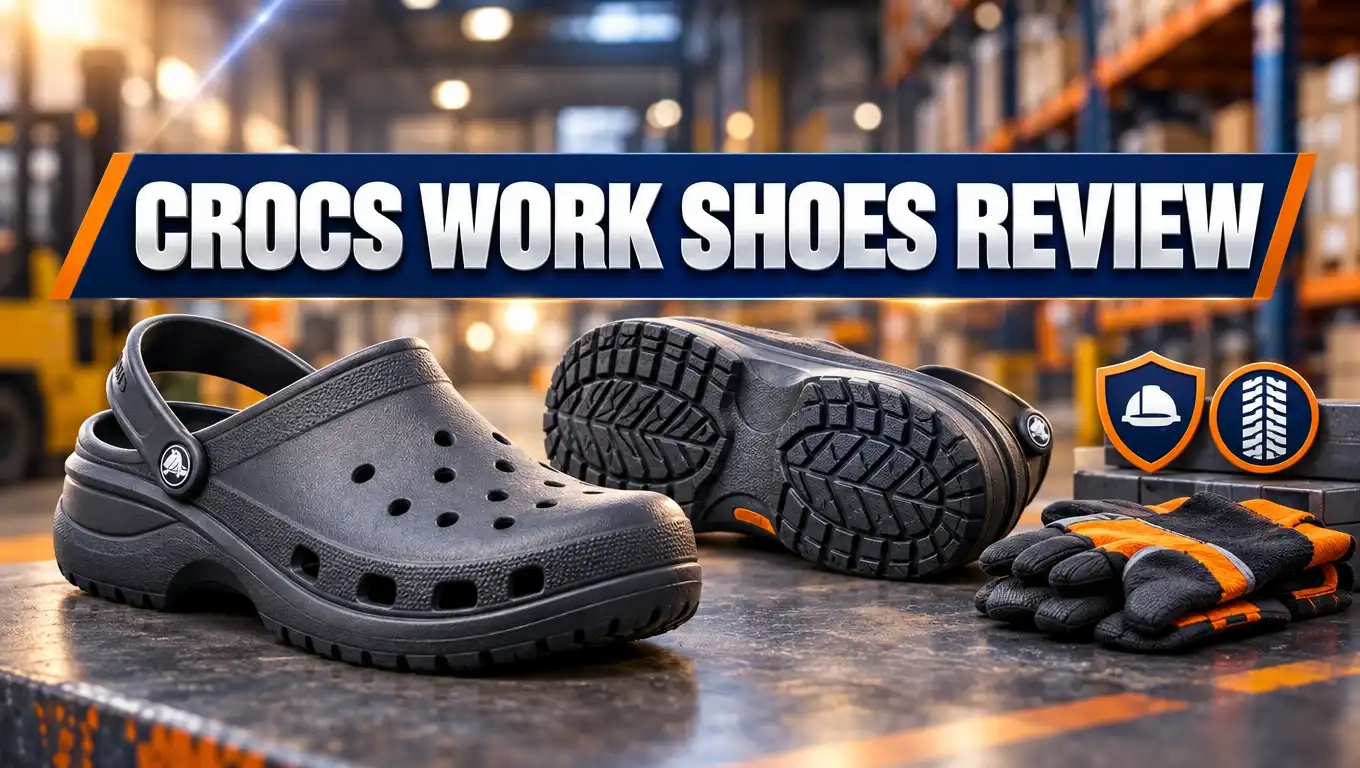
Do you stand on your feet all day at work? If so, you know how much your shoes matter. Crocs work shoes promise comfort, safety, and durability for people who need reliable footwear.
These shoes have become popular among nurses, chefs, and warehouse workers. Models like the On The Clock and Neria Pro II offer slip-resistant soles and enclosed toes. They aim to keep your feet safe on slippery floors.
But do they really work as well as people say? Many users praise the lightweight feel and easy cleaning. Others mention comfort limits during long shifts.
In this review, we break down everything you need to know. We look at the materials, main features, and real user experiences. We also compare Crocs work shoes to competitors like Shoes for Crews and Birkenstock.
Keep reading to see if these shoes fit your daily needs.
In a Nutshell
Here is a quick summary of what you need to know about Crocs work shoes:
- Built with 100% thermoplastic EVA, these shoes offer a vegan friendly synthetic upper. Popular models include the On The Clock, Neria Pro II, and Bistro Pro LiteRide.
- Slip resistance is a core feature. Many styles also include enclosed toe options for added safety on the job.
- Arch support helps with foot stability. Some users report relief from foot pain after switching to these shoes.
- Durability stands out, but these shoes may wear out faster than traditional leather work shoes over time.
- Not every workplace fits the Crocs style. Formal settings may see them as too casual for the dress code.
- Some reviewers note comfort limitations during long shifts. All day standing can feel different depending on your foot type.
- Competitors like Birkenstock, SoftWalk, and Shoes for Crews offer different features. Compare these before you decide which pair suits your job best.
Material and Construction Quality
Crocs work shoes use 100% thermoplastic EVA material, which is a lightweight foam that resists water and stains. This synthetic upper works well in wet environments like kitchens and hospitals. The vegan friendly construction appeals to workers who prefer plant based alternatives.
The enclosed toe design protects your feet from spills and impacts. Many models feature a slip resistant sole that grips wet floors effectively. This matters most in food service and healthcare settings where slips cause injuries. The sole compounds are engineered to maintain grip even when wet.
Arch support is built into the shoe structure rather than added as an insert. The footbed contours naturally to support your arch during standing and walking. This design reduces strain on your plantar fascia throughout your shift. Workers report less foot pain by day’s end compared to flat soled shoes.
The construction quality shows in how the shoe holds up to cleaning. You can wash these shoes with soap and water without damage. The materials don’t absorb odors or stains like traditional fabrics do. This makes them ideal for environments requiring frequent sanitization.
However, the durability has limits. The EVA material compresses over time, reducing cushioning after months of heavy use. The sole can wear down faster than rubber or leather alternatives. Some users notice the shoe loses its original feel after six months of daily wear.
The lightweight construction keeps your feet from tiring as quickly. A full shoe weighs less than many traditional work boots. This matters when you’re on your feet for eight or more hours. Less weight means less strain on your ankles and knees.
Quality control appears consistent across models like the On The Clock and Neria Pro II. Stitching and bonding hold up well in normal work conditions. The shoe maintains its shape even after repeated washing and drying cycles.
The main trade off is that these shoes sacrifice some durability for comfort and ease of care. Workers in casual environments gain more benefits than those in formal settings. The construction works best for active jobs requiring frequent cleaning.

- Runs small. Size up if between sizes.
- Crocs Lock slip-resistant tread
Last update on 2026-10-08 / Affiliate links / Images from Amazon Product Advertising API
Slip-Resistance and Workplace Safety Features
Crocs work shoes shine when it comes to slip resistance. The outsole features a specially designed tread pattern that grips wet and oily surfaces. This matters most in kitchens, hospitals, and wet environments where falls happen quickly.
The slip-resistant sole uses a rubber compound that stays effective even when floors are slick. Workers in food service report fewer near-miss incidents after switching to these shoes. The tread doesn’t wear down as fast as you might expect from casual use.
Enclosed toe protection adds another safety layer. Your feet stay shielded from hot liquids, sharp objects, and heavy items. This feature prevents many common workplace injuries that open-back clogs can’t guard against.
The lightweight EVA material itself contributes to safety. Lighter shoes reduce foot fatigue, which keeps your balance sharp during long shifts. When you’re tired, you slip more easily. These shoes help you stay alert and stable throughout your workday.
However, slip resistance has limits. Crocs work shoes perform best on smooth surfaces like tile and concrete. Rough or textured floors may not engage the tread pattern as effectively. Wet stairs can still be tricky, so extra caution helps.
Arch support builds in stability that complements the slip-resistant design. Proper arch support keeps your feet aligned, which improves your balance on slippery floors. Better balance means lower fall risk, even when the sole does its job.
The shoe’s flexibility also matters for safety. Crocs work shoes bend naturally with your foot movements. This responsiveness helps you react quickly if you start to slip. Stiff shoes can’t respond as fast to sudden floor changes.
Maintenance keeps slip resistance strong. Regular cleaning removes buildup that can reduce traction. The EVA material cleans easily under running water, so you can keep the tread clear throughout your shift.
Workers in high-slip environments generally find these shoes reliable for daily use. The combination of tread design, enclosed protection, and lightweight support creates a solid safety package. That said, they work best alongside good workplace practices like watching your step and wearing socks that grip.
Comfort and Support for Extended Wear
Crocs work shoes deliver solid comfort during extended shifts, though some workers report limitations after many hours on their feet. The lightweight EVA material reduces foot fatigue compared to heavier work shoes, which helps during long days. Your feet stay fresher because the shoe doesn’t weigh them down.
The arch support built into these shoes provides consistent stability throughout your shift. This matters most if you’re standing or walking constantly. The support system keeps your foot aligned, reducing strain on your heel and ball of your foot. However, arch support alone may not satisfy workers with flat feet or high arches who need extra cushioning.
LiteRide technology, found in models like the Bistro Pro LiteRide, adds an extra comfort layer. This cushioning absorbs impact when you walk or stand. Your joints experience less shock, which means less pain by day’s end. The foam construction molds slightly to your foot shape over time.
Ventilation keeps your feet cool during hot kitchen or warehouse shifts. The open design (in non-enclosed models) allows air to flow freely. Your feet stay dry because moisture evaporates quickly from the EVA material. This prevents blisters and discomfort from sweat buildup.
One real limitation emerges during very long shifts beyond 10 hours. Some users report their feet feel tired despite the lightweight design. The cushioning doesn’t match specialized orthopedic work shoes in this category. If you work double shifts or back-to-back days, you might need additional insole support.
The slip-resistant sole contributes to comfort by letting you move confidently without gripping the floor. You relax your muscles more when you feel secure on slick surfaces. This mental ease translates to less physical tension.
Crocs work shoes work best for moderate to long shifts in casual environments. They excel at keeping feet comfortable during 6 to 8 hour workdays. For extreme conditions or all-day standing jobs, you might explore competitors like SoftWalk or Birkenstock for enhanced support options.
Top 3 Alternatives
Skechers Work Shoes

- WORKPLACE SAFETY CERTIFIED: Steel safety toe meets ASTM F2413 impact and compression standards for work boots for men...
- SUPERIOR COMFORT DESIGN: Memory Foam cushioned insole and roomy Relaxed Fit design make these work shoes for men perfect...

Last update on 2026-10-08 / Affiliate links / Images from Amazon Product Advertising API
Skechers work shoes offer comfort that lasts all day. These shoes feature memory foam insoles that support your feet during long shifts. The slip-on design means you save time getting ready for work. Many workers appreciate the lightweight construction, which reduces foot fatigue. Skechers uses breathable materials to keep your feet cool. The outsoles provide good grip on wet and slippery surfaces. You get a casual look that works in many job settings.
Timberland PRO Work Boots

- Timberland PRO 24/7 Comfort System: A unique comfort system that meets the most rigorous worksite demands- 24 hours a...
- Steel Safety Toe: Metallic, asymmetrical-shaped toe cap that meets US safety standards including ASTM F2412-18a and ASTM...
Last update on 2026-10-08 / Affiliate links / Images from Amazon Product Advertising API
Timberland PRO work boots deliver serious durability and protection. These boots are built tough for demanding jobs on construction sites or warehouses. The leather construction resists cuts and abrasions. Steel toe options protect your feet from falling objects. Timberland PRO boots feature excellent ankle support for uneven terrain. The rubber outsoles grip well and last through heavy use. Your feet stay dry thanks to quality waterproofing. These boots work best for jobs requiring maximum protection.
Keen Utility Work Shoes

- STEEL TOE: Left and right asymmetrical uniquely anatomically correct steel toe design provides a roomier toe box for...
- WATERPROOF: KEEN.DRY is a waterproof, breathable membrane liner that lets vapor out without letting water in for keeping...
Last update on 2026-10-08 / Affiliate links / Images from Amazon Product Advertising API
Keen utility work shoes combine style with practical features. These shoes offer excellent foot support without feeling bulky. The toe box gives your toes room to move naturally. Keen uses sustainable materials in their construction. The shoes handle both indoor and outdoor work environments well. Slip-resistant soles keep you safe on smooth floors. Many workers choose Keen for jobs that mix different work areas. The shoes look modern while providing the protection you need.
Design and Style Considerations
Crocs work shoes strike a balance between casual appearance and functional workplace design. The shoes come in several models, each with its own visual identity. The On The Clock appeals to workers who want a traditional clog look. The Neria Pro II offers a more feminine silhouette. The Bistro Pro LiteRide combines style with extra cushioning technology.
The aesthetic challenge is real. These shoes look casual by nature, which means they won’t fit formal office environments. Healthcare facilities, kitchens, and warehouses embrace them easily. Corporate settings typically reject them. Your workplace dress code matters more than the shoe’s actual quality.
Color options help with workplace integration. Most models come in neutral tones like black, white, and navy. These colors blend into standard work uniforms better than bright alternatives. Some facilities actually prefer neutral colors for consistency across staff.
The enclosed toe design serves dual purposes here. It protects your feet from hazards while maintaining a professional clog appearance. This feature sets work Crocs apart from casual beach sandals. The toe box feels structured without looking heavy or clunky.
Ventilation holes are strategically placed throughout the shoe upper. These aren’t just style elements. They keep feet cool during shifts while maintaining the shoe’s structural integrity. The holes also make cleaning faster, which appeals to workers in messy environments.
The lightweight construction influences how the shoe looks on your foot. Crocs work shoes don’t feel bulky or industrial. They sit comfortably without the heavy appearance of traditional steel toe boots. This matters when you’re on your feet all day and want to avoid that weighted-down feeling.
Customization options exist through Jibbitz accessories. Workers add charms or decorative elements to personalize their shoes. This small feature lets you express individual style within workplace boundaries.
The overall design philosophy prioritizes function over fashion. Crocs prioritizes what your feet need rather than what looks trendy. This honest approach means the shoes won’t win style awards in formal settings. However, they excel in environments where practicality outweighs appearance concerns.
Durability and Maintenance
Crocs work shoes are built from 100% thermoplastic EVA material, which creates a foundation for long lasting performance. This synthetic upper resists wear from daily kitchen or warehouse environments. The material doesn’t crack or peel like some leather alternatives do over time.
Cleaning these shoes takes minimal effort. You can rinse them with soap and water at the end of your shift. The EVA material won’t absorb liquids, so they dry quickly and don’t develop odors. This easy maintenance actually extends the shoe’s life by preventing bacterial growth and material breakdown.
The slip resistant sole deserves special attention during maintenance. Dirt and grease buildup reduces grip effectiveness, so regular cleaning preserves safety. A simple scrub with a brush removes kitchen residue that accumulates on the rubber compound. This 10 minute routine keeps the sole functioning as designed.
One honest limitation exists here. Crocs work shoes have a shorter lifespan compared to traditional leather work boots. Heavy duty environments with constant friction may show wear within 12 to 18 months of regular use. The EVA material eventually compresses and loses some cushioning.
The enclosed toe options add durability in high impact areas. Protected toes resist punctures and crush damage better than open designs. This feature matters in warehouse or construction settings where dropped objects are common.
Ventilation holes throughout the shoe upper help prevent moisture damage. Sweat and water exposure breaks down materials faster when trapped inside. Strategic airflow keeps the interior dry and extends overall shoe life.
Storage matters too. Keep your work Crocs in a cool, dry place away from direct sunlight. UV exposure can fade the material and make EVA more brittle over time. A simple shoe rack in your locker works perfectly.
The lightweight construction means less material overall, which can reduce durability compared to heavier alternatives. However, this tradeoff gives you comfort during long shifts. Most workers find the balance acceptable for their workplace needs.
Regular maintenance is your best tool for extending how long these shoes perform. Consistent cleaning and proper storage keep them functional and safe throughout their working life.
Pros and Cons
Pros
- Slip resistant soles keep you safe on wet kitchen and warehouse floors
- EVA material cleans easily with just soap and water
- Lightweight design reduces foot fatigue during your shift
- Enclosed toe options protect your feet from workplace hazards
- Arch support provides consistent stability throughout the day
Cons
- Not appropriate for formal or professional office environments
- Performance drops noticeably after 10+ hour shifts
- EVA material wears faster than traditional leather work shoes
- Ventilation holes can allow grease and dirt to penetrate the shoe
Who Should Buy It
Crocs work shoes fit best for people in fast paced environments where slip resistance matters most. Kitchen staff, restaurant workers, and food service professionals benefit significantly from the slip resistant sole design. These shoes perform well on wet and greasy floors where traditional footwear loses traction.
Healthcare workers appreciate the easy cleaning process. Hospitals and clinics require frequent sanitization, and EVA material wipes clean instantly with soap and water. Nurses and medical assistants stay comfortable during long shifts with the arch support built into each model.
Warehouse and retail employees find value in the enclosed toe protection. Loading docks and stockrooms present constant hazards, and the reinforced toe area shields your feet from dropped items and impacts. The lightweight construction also helps reduce fatigue when you’re constantly moving between aisles and shelves.
People with foot pain or existing foot conditions often choose Crocs work shoes. The arch support provides consistent stability throughout your day. Those recovering from plantar fasciitis or dealing with general foot soreness report noticeable relief during shifts.
However, these shoes aren’t right for everyone. If you work in formal office settings or professional environments, Crocs won’t match your workplace dress code. Corporate clients and client facing roles require more traditional business footwear.
All day standing jobs present a real limitation. Extended 10+ hour shifts sometimes cause discomfort despite the supportive design. Your feet may feel the impact during marathon workdays.
People seeking maximum durability should look elsewhere. EVA material wears faster than traditional leather work shoes, so you’ll replace them more frequently than conventional options. This matters if you need shoes that last for years.
Casual work environments are ideal for Crocs work shoes. Small businesses, food trucks, casual restaurants, and relaxed workplace cultures embrace the aesthetic. Your employer’s dress code ultimately determines whether these shoes fit your situation.
The best candidates combine three factors: slip resistant floor environments, willingness to accept casual appearance, and preference for lightweight comfort over formal presentation. When these elements align with your job requirements, Crocs work shoes deliver genuine workplace benefits.
Final Verdict
Crocs work shoes earn their place in many workplaces. They offer real benefits for people who need safety and comfort during busy shifts.
Your job type matters most when choosing these shoes. Restaurant staff, nurses, and warehouse workers often find them a smart pick.
If you work in a formal office or need shoes that last many years, these might not fit your needs. Other brands may serve you better in those cases.
The final decision comes down to your daily environment. Think about your flooring, your shift length, and your dress code before you buy.
Crocs built a trusted name in the clog and slip-on shoe space. Their work line carries that same reputation into job settings.
Compare these shoes against options like Shoes for Crews or Birkenstock if you want more formal styling. Each brand serves different needs.
We suggest trying a pair if your job involves standing on slippery floors for moderate shifts. The comfort and safety features shine in these settings.
Skip these shoes if your workplace demands a polished look or if you stand for extremely long hours without breaks. Your feet deserve the right support for your specific routine.
Overall, Crocs work shoes strike a fair balance. They mix safety, ease of cleaning, and comfort into one simple design.
They won’t replace heavy duty leather boots or high end orthopedic shoes. But for many casual work settings, they get the job done well.
Think about your daily tasks first. Match those tasks to what these shoes offer. That step helps you make the right call.
In short, these shoes work best for specific job types and environments. Know your needs, and you will know if these shoes fit your life.
Frequently Asked Questions
Are Crocs work shoes really slip resistant?
Yes, slip resistance is one of the main strengths of Crocs work shoes. The EVA material grips wet and greasy floors effectively. This makes them popular in kitchens, hospitals, and retail environments where slip hazards exist.
However, slip resistance depends on floor conditions. They perform best on wet surfaces. Dry, smooth floors may not showcase this benefit as much.
Can I wear Crocs work shoes for a full 12 hour shift?
Many people find them comfortable for moderate shifts. However, user feedback shows performance drops noticeably after 10+ hours of standing. Your feet may experience fatigue during extended wear.
If your job involves all day standing without breaks, these shoes may not be your best option. Consider them ideal for shifts up to 8 hours, with comfort limitations emerging beyond that timeframe.
How long do Crocs work shoes last compared to traditional work shoes?
Crocs work shoes have a shorter lifespan than leather work shoes. The EVA material wears faster with regular use. You’ll likely replace them sooner than other work shoe options.
This matters if you need maximum durability. For casual work environments with moderate use, the lifespan is acceptable.
Which Crocs work shoe model is best for my job?
The answer depends on your specific role. The On The Clock suits men in fast paced environments. The Neria Pro II works well for women seeking enclosed toe protection. The Bistro Pro LiteRide serves healthcare workers and food service staff.
Match the model to your workplace hazards and dress code expectations.
Should I choose Crocs work shoes or a competitor brand?
Compare Crocs against Shoes for Crews, Birkenstock, and SoftWalk based on your needs. Crocs excel in casual, slip resistant environments. Competitors may offer more formal styling or better durability for all day standing jobs.
Your job type matters most when deciding.

Lipi is the founder and lead reviewer behind Fashion Reviewed. With a keen eye for quality, style, and value, she brings years of experience in fashion analysis and trend spotting to every review. Her passion for helping others discover amazing fashion finds drives the honest, detailed content you’ll find on this blog.