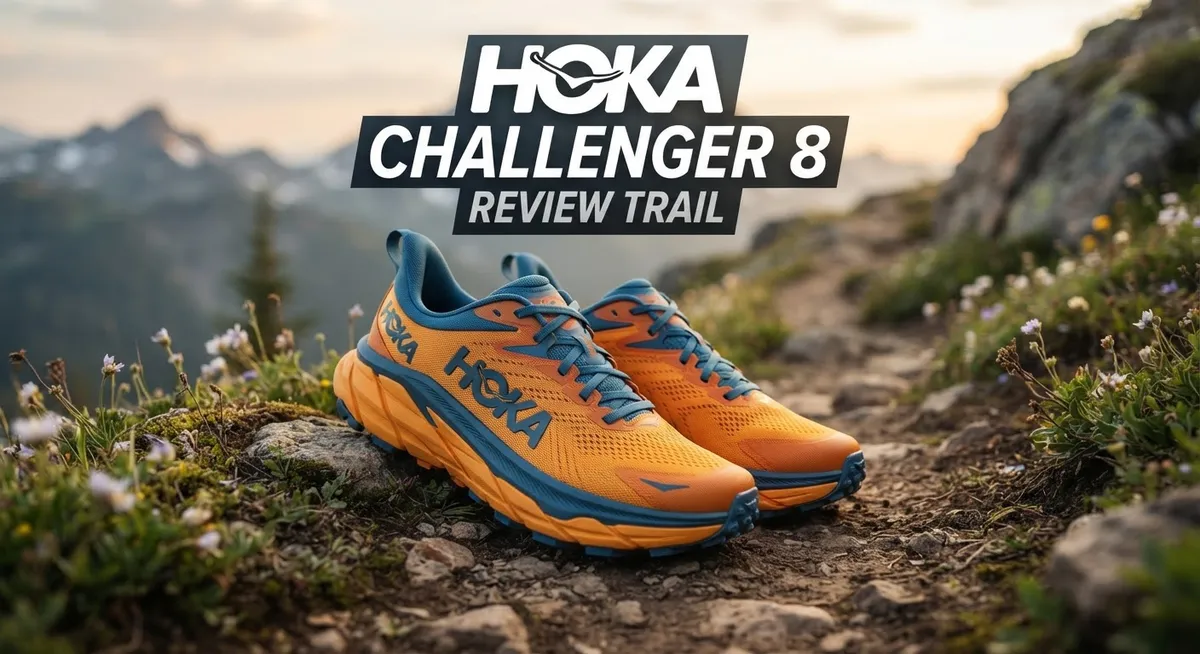
HOKA Challenger 8 Review: Should You Buy This?
Are you looking for a shoe that handles both roads and trails with ease? The HOKA Challenger 8 might be your answer.
This shoe brings together comfort and versatility in one package. It features a 31mm balanced stack height and an 8mm drop for smooth transitions.
Runners love the exceptional cushioning this shoe offers right out of the box. The breathable mesh upper keeps your feet cool during long runs.
We tested the Challenger 8 on different terrains. We checked how it performs on muddy trails, rocky paths, and paved roads.
This review covers everything you need to know. We talk about its multi-directional 4mm lug pattern and how it grips various surfaces.
By the end of this review, you will know if this shoe fits your running style. Let us get into the details.
In a Nutshell
Here’s the quick rundown of what makes the Challenger 8 stand out on the trail.
- Balanced 31mm stack height gives you plush protection. The 8mm drop feels natural for most foot strikes.
- Multi-directional 4mm lugs grip light trails well. They work best on dirt paths and gravel, not deep mud.
- This shoe runs true to size. You won’t need to size up or down when ordering.
- Structured heel support keeps your foot locked in place. This matters a lot during long descents.
- It feels surprisingly flexible for a max-stack shoe. Most thick shoes feel stiff, but this one bends naturally.
- Watch out for shallow lug depth. This can limit traction on wet or muddy terrain.
- The soft outsole wears down faster than expected. Most runners report 300 to 350 miles before performance drops.
- You’ll notice reduced ground feel compared to minimalist trail shoes. This trade off comes with the extra cushioning.
- Compared to the Clifton 8 and Asics Daichi 9, this shoe leans more toward trail capability while keeping road comfort intact.
Build and Materials
The HOKA Challenger 8 uses a thoughtful combination of materials that balance protection with breathability. The upper features a breathable mesh construction that keeps your foot cool during longer trail runs. This mesh allows air to flow freely, preventing that clammy feeling even on warm days.
The shoe’s foundation rests on a 31mm cushioned stack that absorbs impact effectively. HOKA engineered this stack to feel soft underfoot without sacrificing stability. The midsole material responds well to quick direction changes you encounter on uneven terrain.
The outsole deserves special attention here. HOKA applied a soft rubber compound across the bottom, which provides good initial grip on light trails. However, this softer material breaks down faster than harder rubbers found on dedicated trail shoes. Expect visible wear after 300 to 350 miles of regular use.
The lug pattern features multi directional 4mm lugs that work across various surfaces. These lugs sit relatively shallow, which means they excel on packed dirt and light trails but struggle on loose scree or steep rocky sections. The trade off gives you better road feel and a smoother transition between surfaces.
The heel area includes structured support that locks your foot in place during descents. This prevents excessive heel movement inside the shoe, which matters when navigating uneven ground. The collar and tongue construction work together to create a snug yet comfortable fit.
What makes the Challenger 8 unique is its flexibility despite the thick stack. Most shoes with 31mm cushioning feel rigid, but this one bends naturally with your foot. The materials allow the shoe to flex in the forefoot while maintaining support through the midfoot.
The overall build quality feels solid for a shoe positioned between road and trail. HOKA chose materials that prioritize comfort and versatility over extreme durability. If you run mostly on maintained trails or want a shoe that handles both road commutes and weekend trail adventures, the material choices work well. For aggressive technical terrain, the soft outsole and shallow lugs become limiting factors.

- 100% rPET Engineered Mesh
- 3D Screen Printed Toe Cap
Last update on 2026-10-08 / Affiliate links / Images from Amazon Product Advertising API
Cushioning and Support System
The cushioning system in the Challenger 8 works hard to keep your feet comfortable mile after mile. HOKA packed 31mm of foam underfoot, which sits right in the sweet spot between protection and responsiveness. This stack height gives you enough plush cushioning to absorb trail impacts without feeling sluggish on packed dirt or rocky sections.
What makes this shoe special is how the foam stays flexible despite being thick. Most max-stack shoes feel rigid, but the Challenger 8 bends naturally with your foot. You get protection without losing the ground connection you need to navigate technical terrain. This balance matters when you’re running on uneven surfaces where you need feedback from below.
The support system focuses heavily on your heel. Structured heel support locks your foot in place during descents and sharp turns. This prevents your foot from rolling excessively inside the shoe, which reduces fatigue on long trail runs. The heel cup feels snug but not restrictive, so you won’t experience slipping even on steep downhills.
The midsole foam itself responds well to different paces. Slow runs feel cushioned and forgiving. Speed up, and the foam firms up enough to give you propulsion. This responsive quality makes the Challenger 8 work across various running intensities.
One trade off exists here: the soft outsole means the shoe absorbs impacts well but wears down faster than harder rubber compounds. Expect the cushioning to feel noticeably softer after 300 to 350 miles of use. The foam doesn’t compress dramatically, but the outsole loses its grip and durability sooner than competitors.
The shallow lug depth also affects how the cushioning performs on technical trails. Deeper lugs would add more support on steep sections, but HOKA chose a minimalist approach. This keeps the shoe light and responsive, which appeals to runners who value speed over maximum traction.
Overall, the Challenger 8 delivers reliable cushioning and support for mixed terrain running. The shoe shines when you need comfort on long runs where impact protection matters most.
Traction and Terrain Performance
The Challenger 8 shines when you mix road running with lighter trail work. Its multi-directional lug pattern grips varied surfaces without forcing you into a single terrain type.
On packed dirt and gravel, these lugs engage well. They bite into the ground with enough force to keep you stable on gentle descents. Rocky sections present a different story though. The shallow lug depth limits how much grip you get on technical terrain. Roots and loose rocks demand more attention from your feet.
The soft outsole creates an interesting trade-off. It absorbs impacts smoothly, which feels great on your joints during long runs. However, this softness means faster wear on abrasive surfaces. You’ll see noticeable traction loss after 300 to 350 miles of trail running.
Ground feel remains limited compared to minimalist trail shoes. The 31mm stack height sits between road shoes and true trail runners. This means you sense the terrain less directly than you would in a thinner shoe. Some runners love this cushioned barrier. Others miss the connection to the ground.
Wet conditions test the Challenger 8’s limits. The lug pattern handles moisture reasonably well on moderate slopes. Muddy or slick surfaces require slower pacing and extra caution. The shallow lugs don’t channel water away as effectively as deeper patterns do.
The heel support system helps on descents. Your foot stays locked in place, reducing side-to-side movement. This stability matters when you’re picking your way downhill on uneven ground.
The real strength lies in versatility. You can run road miles in the morning and hit easy trails in the afternoon without switching shoes. The Challenger 8 won’t outperform dedicated trail runners on technical courses. It excels for runners who want one shoe for mixed surfaces.
Consider your typical terrain before committing. If you run mostly roads with occasional dirt paths, this shoe performs excellently. For frequent technical trail work, a shoe with deeper lugs makes more sense. The Challenger 8 bridges the gap between these two worlds effectively.
Top 3 Alternatives
Salomon Speedcross Trail

- Built for kids who never slow down, the Salomon Kids Speedcross Waterproof shoes are made to keep up with every jump...
Last update on 2026-10-08 / Affiliate links / Images from Amazon Product Advertising API
The Salomon Speedcross Trail offers quick ground contact and responsive cushioning. This shoe excels on technical terrain where you need precise foot placement. The grip pattern works well on wet surfaces and loose rocks. Runners appreciate the snug fit around the midfoot, which keeps your foot stable during sharp turns.
The shoe feels lighter than many competitors. You get good ankle support without feeling restricted. The tread design channels water away effectively, making it ideal for muddy trails. Many trail runners find the Speedcross Trail perfect for fast-paced running on challenging surfaces.
ASICS Gel-Venture Running

- Runs Large
- Mesh upper.
Last update on 2026-10-08 / Affiliate links / Images from Amazon Product Advertising API
ASICS Gel-Venture Running combines cushioning with durability. The gel technology absorbs impact well, reducing stress on your joints during long runs. This shoe handles both smooth and rocky paths without losing comfort.
The upper fits most foot shapes comfortably. Breathability remains solid throughout your run, even on warm days. The outsole provides reliable traction on varied terrain. You’ll notice the shoe maintains its structure after many miles, making it a practical choice for frequent trail runners.
Merrell Agility Peak Tactical

- GORE-TEX waterproof membrane, exceptional breathability and waterproof performance
- Bellows tongue keeps out debris

Last update on 2026-10-08 / Affiliate links / Images from Amazon Product Advertising API
Merrell Agility Peak Tactical brings rugged construction to trail running. The shoe features a reinforced toe cap that protects against rocks and roots. The midsole strikes a balance between cushioning and ground feel, letting you sense the trail beneath your feet.
The lacing system holds your foot securely without pinching. The outsole uses aggressive lugs for climbing and descending steep sections. This shoe works well for runners who prefer a more connected feel with the ground. The tactical design appeals to those seeking durability and performance on demanding trails.
Fit, Comfort, and Wearability
The Challenger 8 feels true to size right out of the box. You won’t need to size up or down. This consistency makes ordering online easier and reduces fit surprises.
The upper mesh breathes well during hot runs. Your feet stay dry even on longer outings. The material wraps snugly without feeling restrictive. The heel cup sits firm and secure. This prevents your foot from sliding during quick movements or steep descents.
Comfort arrives immediately when you slip these on. The cushioning doesn’t require a break in period. Your feet feel supported from the first mile. The foam responds to your natural stride without feeling sluggish. This responsiveness matters when you’re switching between road sections and light trails.
The shoe’s width works well for average to slightly wider feet. The midfoot lockdown keeps your foot stable. You won’t experience rolling or shifting side to side. The lacing system adjusts easily if you need more or less tension in specific areas.
One thing to note: the thick stack can feel bulky at first if you’re used to minimal shoes. Your foot sits higher off the ground. Some runners appreciate this protection. Others miss the ground connection. The trade off is worth considering based on your preferences.
The heel support deserves mention here. It’s structured enough to handle descents confidently. Your foot stays planted during braking. This feature helps reduce fatigue when running downhill. The support doesn’t feel overly rigid or uncomfortable.
For longer runs, the cushioning maintains its feel. It doesn’t compress unevenly or break down during a single outing. Your feet stay comfortable at mile 10 just like they did at mile 1.
Wearability improves when you wear these for mixed running. The shoe adapts to road miles and trail sections equally well. The fit remains consistent across different surfaces. Your foot doesn’t shift or move inside the shoe when terrain changes.
If you prefer a snug fit, this shoe delivers. If you like roomy toe boxes, you might find it slightly narrow. Most runners find the fit accommodating for daily trail running and casual road work.
Durability and Longevity
The Challenger 8 shows average durability compared to other trail shoes in its category. Most runners report a lifespan of 300 to 350 miles before noticeable wear appears. This range puts it in the middle ground for trail footwear.
The soft outsole is the primary factor affecting longevity. This design choice prioritizes comfort and impact absorption over rubber durability. The trade-off means your shoe feels great underfoot but wears down faster on abrasive surfaces. Rocky terrain accelerates this wear pattern significantly.
The shallow lug depth compounds durability concerns. Lugs wear down gradually with each run, especially on technical trails. Once they flatten, traction diminishes and the shoe loses its grip. You’ll notice this change around the 250 mile mark for frequent trail runners.
The midsole foam holds up well throughout the shoe’s life. The cushioning maintains its responsive feel even as miles accumulate. The foam doesn’t compress permanently like some budget alternatives. This means your comfort stays consistent until the outsole fails.
Upper mesh construction proves durable for regular use. The breathable material resists tearing under normal conditions. Seams remain intact through hundreds of miles. The heel support structure stays stable and doesn’t degrade quickly.
For mixed terrain runners, the Challenger 8 lasts longer. Road miles slow outsole wear compared to constant trail running. Runners who alternate between surfaces often exceed the 350 mile estimate. Those who stick to trails exclusively see faster degradation.
Maintenance affects longevity directly. Cleaning your shoes after muddy runs prevents debris buildup. Drying them naturally extends material life. Rotating between two pairs lets foam recover between runs.
The Challenger 8 works well if you accept its durability limits. Plan for replacement around 300 to 350 miles. This timeframe suits casual trail runners and road-to-trail users. Serious trail athletes might prefer shoes with harder outsoles and deeper lugs. Your running style and terrain choice ultimately determine how long these shoes last.
Pros and Cons
Pros
- Exceptional cushioning feels comfortable from your first run
- Breathable mesh upper keeps your feet cool during hot weather
- Structured heel support helps you control descents safely
- Flexible enough for both road and light trail running
- True-to-size fit means no guessing on your shoe size
Cons
- Soft outsole wears down faster than harder alternatives, lasting 300-350 miles typically
- Shallow lugs reduce traction on technical terrain and steep slopes
- Limited ground feel compared to minimalist trail shoes
- Thick stack height may feel bulky if you prefer low-profile shoes
Who Should Buy It
The Challenger 8 suits road runners who want to explore light trails without buying a dedicated trail shoe. You get cushioning and comfort that works on pavement and packed dirt equally well. This shoe bridges the gap between road and trail perfectly.
Trail runners who log shorter distances benefit most here. The shoe excels on runs under 10 miles where its soft outsole stays fresh. You’ll feel confident pushing pace on mixed terrain without worrying about durability too much.
Runners with wider feet should consider this option seriously. The shoe accommodates average to slightly wider foot shapes comfortably. You won’t need to size up or deal with pinching during longer sessions.
Casual hikers and weekend warriors find real value in the Challenger 8. The structured heel support helps you stay stable on uneven ground. The cushioning absorbs impact on rocky paths without feeling sluggish.
If you run in dry conditions regularly, this shoe performs well. Wet trails expose the Challenger 8’s limitations since the shallow lugs and soft outsole reduce traction. Stick with this shoe for your summer trail runs and dry terrain outings.
Runners transitioning from road shoes to trail running should start here. The shoe feels familiar because it keeps much of the road shoe DNA. You get trail capability without the shock of switching to a pure trail shoe.
Someone seeking maximum comfort over technical performance will appreciate this shoe. The cushioning envelope feels plush right away. You sacrifice some ground feel, but comfort arrives immediately when you lace up.
Runners who accept the 300 to 350 mile lifespan won’t feel disappointed. This shoe works great for training runs and casual trail sessions. Plan for replacement sooner than you would with tougher trail shoes.
Avoid the Challenger 8 if you need a shoe for steep, rocky terrain or technical descents. Skip it if you prefer minimal shoes with direct ground contact. This shoe isn’t ideal for ultramarathon runners who need maximum durability either.
Final Verdict
The HOKA Challenger 8 earns its spot as a versatile trail companion. It blends road comfort with trail capability in one package. This makes it a smart pick for many runners.
Comfort stands out as its biggest strength. The cushioning feels plush from the first step. Your feet stay happy on longer outings too.
Compared to the Speedgoat series, the Challenger 8 feels less aggressive. Speedgoats grip technical terrain better. The Challenger 8 wins on everyday comfort instead.
Against the Clifton 8, this shoe adds trail-ready traction. The Clifton stays purely road focused. Choose the Challenger 8 if you split time between surfaces.
The Asics Daichi 9 offers firmer ground contact. Some runners prefer that stable feel on rocky paths. The Challenger 8 counters with superior cushioning and a smoother ride.
Stepping up from the Challenger ATR 6, this version feels more refined. The upper breathes better and the fit feels more secure. It’s a worthy upgrade for returning fans.
Who should buy this shoe? Pick it if comfort matters more than aggressive grip. It suits runners who mix pavement and dirt paths often.
Skip it if you chase technical mountain trails daily. Shallow lugs and a soft outsole limit performance there. Dedicated trail shoes serve that need better.
Overall, the HOKA Challenger 8 delivers a comfortable, flexible ride. It handles light trails and roads with equal ease. Few shoes balance both worlds this well.
Think about your typical terrain before buying. Casual trail days and mixed training suit this shoe perfectly. Technical scrambles call for something grippier.
The Challenger 8 remains a smart choice for most everyday trail runners. It rewards comfort seekers more than speed chasers. That tradeoff defines its character well.
Frequently Asked Questions
Does the HOKA Challenger 8 work for actual trail running or just light paths?
The Challenger 8 handles light trails and packed dirt paths well. It shines on road-to-trail routes where you mix pavement with gentle terrain. The multi-directional lugs bite into softer ground. However, rocky mountain trails or steep technical sections demand more aggressive traction. This shoe fits runners who want flexibility rather than pure trail performance.
How long will these shoes last before I need to replace them?
Expect 300 to 350 miles of running before the outsole wears down noticeably. The soft rubber compound grips well early on but breaks down faster than harder alternatives. Your actual lifespan depends on terrain type and running style. Rough, rocky surfaces accelerate wear compared to smoother trails.
Can I wear the Challenger 8 for hiking or casual walking?
Yes, casual hikers and weekend warriors find real value in this shoe. The cushioned stack absorbs impact on descents. The structured heel support keeps your foot stable on uneven ground. The breathable mesh stays comfortable during long days outdoors. Just remember the shallow lugs won’t grip technical scrambles like dedicated hiking boots do.
What’s the real difference between the Challenger 8 and other HOKA models?
The Clifton 8 prioritizes road running with less traction. The Speedgoat series feels much more aggressive for serious mountain work. The Challenger ATR 6 (the previous version) was less refined overall. The Challenger 8 sits in the middle as your road-to-trail bridge shoe. Choose based on where you spend most of your time running.
Should I go a half size up or down with the Challenger 8?
Go true-to-size. HOKA designed this shoe to fit your normal shoe size without adjustment. No guessing needed. Your regular size works right out of the box.

Lipi is the founder and lead reviewer behind Fashion Reviewed. With a keen eye for quality, style, and value, she brings years of experience in fashion analysis and trend spotting to every review. Her passion for helping others discover amazing fashion finds drives the honest, detailed content you’ll find on this blog.