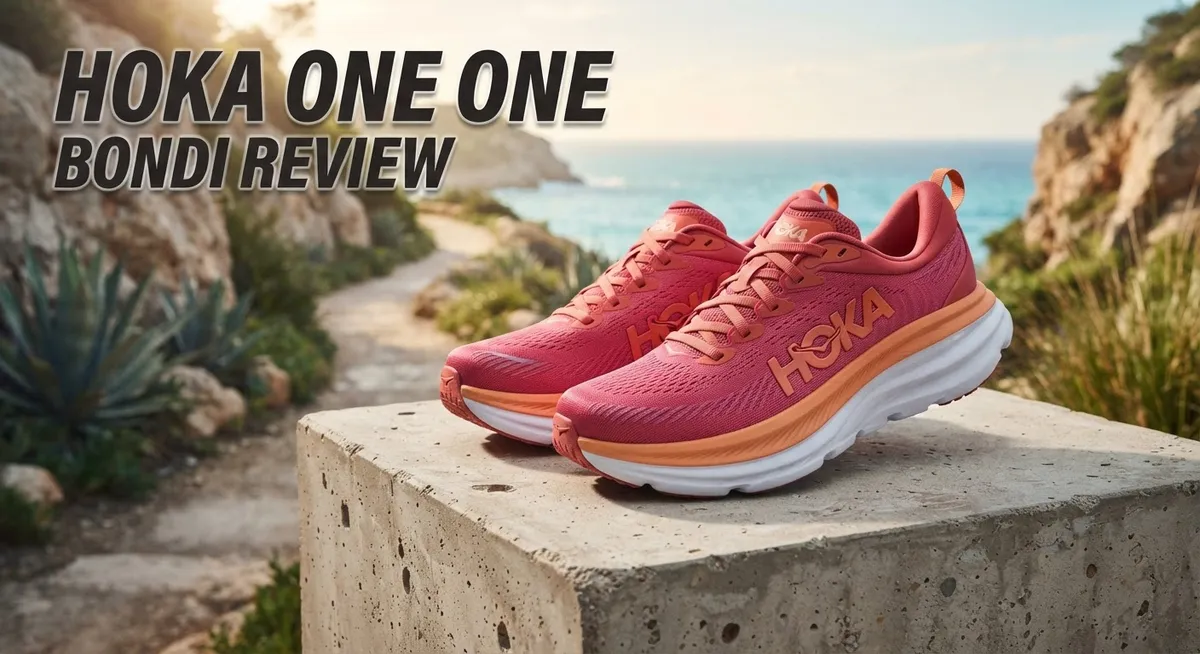
HOKA ONE ONE Bondi Review: Is It Worth The Price?
Do your feet beg for mercy after a long run? The Hoka One One Bondi might be your answer. This shoe brings maximum cushioning to every step you take.
Walkers and runners love the Bondi for good reason. It wraps your foot in soft foam that soaks up impact. Your joints will thank you after mile ten.
This review digs into what makes the Bondi special. We look at its supercritical foam midsole and 3D molded collar. Both features work together to boost comfort and support.
Is the Bondi right for your feet? That depends on your needs. People recovering from injury often find relief in its balanced cushioning. Daily walkers enjoy its forgiving ride.
Stick with us. We break down every detail of the Bondi. You will learn exactly who this shoe fits best and why it keeps winning fans worldwide.
In a Nutshell
Here’s the quick scoop on this shoe before you dive deeper.
- Cushioning first: The Bondi 9 uses a supercritical foam midsole. This gives you a bouncy and protective ride for sore feet.
- Snug collar fit: A 3D molded collar hugs your ankle well. But the toebox runs narrow, so wide feet might feel squeezed.
- Stability tradeoff: This shoe shines for walking and running long distances. It can feel wobbly during squats or quick side to side moves.
- Durability varies: The outsole holds up nicely over time. Some runners notice the foam breaks down quicker than expected though.
- Weighty feel: At over 11 ounces, this shoe feels heavier than racing flats. That extra weight comes from its plush cushioning layers.
- Joint friendly: This shoe suits sore joints and tired feet well. It works great for recovery days or high mileage weeks.
Cushioning and Midsole Technology
The Bondi 9 features a premium supercritical foam midsole that delivers exceptional shock absorption. This foam technology bounces back with each step, making it ideal for runners who log serious miles.
HOKA engineered this midsole with balanced firmness in mind. You get enough softness to protect your joints without feeling mushy underfoot. The shoe doesn’t collapse when you land hard on pavement or trails.
The 15.6mm drop (reduced from earlier versions) positions your foot at a slight forward angle. This geometry helps your leg muscles work efficiently during long runs. The reduced drop also encourages a more natural stride pattern compared to ultra-high drop shoes.
What sets the Bondi apart from other max cushion shoes? The supercritical foam responds better than standard EVA foams. Your feet feel supported rather than sinking into a marshmallow sensation. This matters when you’re running for an hour or more.
The midsole’s thickness gives you genuine protection from hard surfaces. Concrete, asphalt, and rocky trails all feel softer underfoot. People recovering from injuries or managing chronic joint pain report noticeable relief with the Bondi’s cushioning system.
However, this cushioning comes with a tradeoff. The shoe feels less responsive than newer PEBA or ReactiveX foam technologies. If you’re chasing personal records, you might notice the Bondi doesn’t snap back as quickly. The shoe prioritizes comfort over speed.
Weight plays a role in how the cushioning feels. At over 11 ounces, the Bondi carries extra mass compared to lightweight racers. This weight comes from the generous foam layers protecting your feet. Heavier shoes require more energy to move, which matters during tempo workouts or speed sessions.
The midsole durability shows mixed results. Some runners report the foam breaks down faster than expected after 300 to 400 miles. Others get 500 plus miles before noticing compression. Your running style and body weight affect how long the cushioning lasts.
The Bondi 9’s midsole technology shines for daily training runs and recovery days. It excels when comfort matters more than speed or lightweight performance.

- ENGINEERED MESH
- Lining Textile
Last update on 2026-10-08 / Affiliate links / Images from Amazon Product Advertising API
Fit, Comfort, and Sizing
The Bondi fits narrow across the forefoot. Your toes might feel snug in the toebox. If you have wide feet, try sizing up half a size or consider alternative max cushion options instead.
HOKA designed the collar with a 3D molded shape. This collar hugs your ankle without pinching. The fit feels secure during long runs and daily walks. Your foot stays locked in place without excessive pressure points.
The overall fit runs true to size for most runners. Order your normal shoe size first. The heel cup sits snug but not tight. Your foot won’t slip around inside during movement. Heel slippage rarely becomes an issue with the Bondi.
Comfort levels shine for distance running and walking. The supercritical foam midsole absorbs impact smoothly. Your joints experience less shock with each stride. People recovering from injuries often praise the forgiving ride. The shoe feels particularly comfortable during long, easy runs.
However, comfort takes a hit during strength training. Squats and lateral movements feel unstable. The thick cushioning works against quick directional changes. If you do gym workouts, this shoe may not suit your needs. Consider keeping a separate training shoe for these activities.
Comfort during daily wear remains excellent. The Bondi works great for standing jobs. Your feet feel supported throughout the day. The cushioning prevents fatigue during extended wear. Many people wear the Bondi for casual activities beyond running.
The shoe’s weight affects how comfort feels. At over 11 ounces, the Bondi sits heavier than racing flats. This extra weight becomes noticeable during speed workouts. Your legs may feel more fatigued during fast-paced runs. For easy pace runs, the weight matters less.
Break in time is minimal with the Bondi. Most runners feel comfortable right out of the box. Blisters rarely develop during the first few wears. The materials feel soft and forgiving from day one. Your feet adapt quickly to the shoe’s design.
Sizing consistency remains strong across different Bondi versions. HOKA maintains similar fit profiles between models. If you loved a previous Bondi, the newer version fits the same way. This consistency helps when upgrading to newer releases.
Weight and Responsiveness
The Bondi 9 weighs over 11 ounces, making it a heavier option in the max cushion category. This weight directly impacts how the shoe performs during your runs and walks.
Heaviness affects responsiveness in a specific way. The supercritical foam midsole absorbs impact well, but the shoe’s mass means you work harder to lift your foot off the ground. You’ll notice this most during tempo runs or speed work. Lighter racing shoes feel snappier by comparison.
The 15.6mm drop helps offset some weight concerns. This geometry tilts your body forward slightly, which can reduce the effort needed to maintain momentum. Your stride feels more natural on longer distances because of this design choice.
Responsiveness takes a backseat to cushioning here. The Bondi prioritizes protection over bounce. If you compare it to PEBA or Fuelcell foams from other brands, those materials return more energy to your legs. The Bondi’s supercritical foam feels softer and less reactive. This trade off matters if you’re chasing speed records.
However, responsiveness improves on hard surfaces. Concrete and asphalt feel less jarring because the midsole absorbs shock effectively. Your joints experience less stress, which means less fatigue over time. This benefit outweighs the sluggish feel for many runners.
Daily wear tells a different story. Walking in the Bondi feels smooth and effortless. The weight becomes less noticeable on flat terrain. Standing for long periods feels comfortable because cushioning protects your feet. The shoe’s heaviness actually works in your favor for non running activities.
The midsole durability shows mixed results across different pairs. Some runners report the foam breaks down faster than expected. Others find their Bondi lasts several hundred miles without significant compression. Weight distribution and running style influence how long the cushioning lasts.
For recovery runs and easy days, the Bondi shines despite its weight. You get maximum protection without needing a responsive feel. Athletes returning from injury appreciate this forgiving approach. The shoe won’t win speed competitions, but it excels at keeping your feet happy and protected.
Top 3 Alternatives
ASICS Gel Nimbus

- Engineered jacquard mesh upper: Wraps the foot with a soft feel
- At least 75% of the shoe's main upper material is made with recycled content to reduce waste and carbon emissions
Last update on 2026-10-08 / Affiliate links / Images from Amazon Product Advertising API
The ASICS Gel Nimbus stands out as a premium cushioning option for runners who want maximum comfort. This shoe uses gel technology in the heel and forefoot to absorb impact effectively. The upper mesh breathes well during long runs, keeping your feet cool and dry.
The Gel Nimbus works best for neutral runners with a preference for soft landings. The shoe feels responsive yet stable on various surfaces. Many runners appreciate how the cushioning maintains its support even after many miles.
Brooks Ghost

- THIS MEN’S SHOE IS FOR: Everyday runners, walkers, and fitness enthusiasts who want the perfect blend of soft...
- LIGHTWEIGHT & DYNAMIC CUSHIONING: Powered by nitrogen-infused DNA LOFT v3 foam for a soft, responsive ride and balanced...
Last update on 2026-10-08 / Affiliate links / Images from Amazon Product Advertising API
The Brooks Ghost offers a balanced approach to running comfort. This shoe combines cushioning with a smooth ride that suits both beginners and experienced runners. The DNA Loft v2 foam provides softness without sacrificing responsiveness.
The Ghost fits true to size for most runners. The upper feels secure around the heel and midfoot. This shoe performs well on roads and light trails, making it versatile for different running styles.
New Balance Fresh Foam

- Fresh Foam X midsole foam with approximately 3% bio-based content delivers our most cushioned Fresh Foam experience for...
- Structured yet breathable upper

Last update on 2026-10-08 / Affiliate links / Images from Amazon Product Advertising API
The New Balance Fresh Foam delivers lightweight cushioning that many runners prefer. The Fresh Foam X midsole adapts to your stride while keeping the shoe relatively light. This makes it excellent for runners who want comfort without extra weight.
The Fresh Foam features a roomy toe box that accommodates various foot shapes. The shoe breaks in quickly, so you can run comfortably from day one. The responsive feel works well for tempo runs and everyday training.
Each option provides different benefits depending on your running needs and preferences.
Durability and Outsole Performance
The Bondi 9’s outsole combines rubber coverage with strategic placement for maximum ground contact. HOKA uses a durable rubber compound on high wear areas like the heel and forefoot. This design choice helps the shoe survive frequent use on concrete and asphalt.
Real world testing shows mixed durability results. Some runners report the outsole holds up well for 300 to 400 miles. Others notice faster breakdown, especially around the heel where impact forces concentrate. The supercritical foam midsole underneath plays a role here too. As the foam compresses over time, the outsole experiences different stress angles.
The outsole performs best on roads and track surfaces. Hard pavement gives you consistent traction and minimal slipping. The rubber grips well when wet, though it’s not designed for trail running. Softer terrain like grass or dirt can accelerate outsole wear since the shoe sinks slightly with each step.
Lateral stability matters for outsole performance. The Bondi 9 sits wider in the midfoot but narrows at the toebox. This shape affects how the outsole contacts the ground during turns. You’ll notice the shoe stays planted on straightaways, but side to side movements feel less secure.
The 15.6mm drop influences how wear patterns develop. Your heel strikes first with this geometry, concentrating impact forces in that zone. The heel outsole typically shows visible wear before other areas. HOKA reinforced this section to handle the extra stress.
Durability concerns center on midsole breakdown rather than outsole failure. The foam loses its bounce before the rubber wears through. Once the midsole softens, the outsole works harder to provide support. This creates a domino effect where durability suffers overall.
For daily walking and casual running, the outsole performs reliably. The shoe maintains traction and structure through regular use. Heavy training or frequent speed work may shorten the outsole’s lifespan. Most runners find the outsole acceptable for moderate mileage before replacement becomes necessary.
Best Use Cases and Activities
The Bondi excels as a recovery shoe for runners who need extra cushioning between hard workouts. The premium supercritical foam absorbs impact effectively, making it perfect for easy runs and recovery days. Your joints stay protected even when your legs feel tired.
Daily walking becomes a pleasure in these shoes. The balanced midsole firmness keeps your feet comfortable for hours, whether you’re commuting or running errands. The forgiving ride reduces foot fatigue significantly.
Long distance running benefits from the Bondi’s maximum cushioning. Half marathons and marathons feel smoother with this shoe’s protection. The 15.6mm drop helps your stride feel natural over extended distances.
Standing jobs present an ideal use case. People who work retail, healthcare, or teaching report excellent comfort throughout their shifts. The shoe’s support keeps your feet fresh even after 8 hours on your feet.
However, strength training and cross training don’t suit the Bondi well. The shoe feels unstable during squats and lateral movements. The narrow toebox limits your ability to grip the ground during weightlifting. Skip this shoe for gym sessions.
Trail running isn’t a good match either. The outsole performs best on roads and hard pavement, not rocky or uneven surfaces. The narrow fit also restricts your foot’s natural movement on technical terrain.
Casual everyday wear shines with the Bondi. The minimal break in time means comfort arrives immediately. You can wear these shoes straight out of the box for all your daily activities.
The Bondi works wonderfully for people recovering from injuries. The cushioning reduces stress on healing joints and muscles. Physical therapists often recommend max cushion shoes during rehabilitation phases.
Treadmill running becomes smoother with this shoe’s design. The responsive feel on hard surfaces translates well to indoor running. Your knees and ankles experience less pounding compared to firmer shoes.
The shoe shines brightest for runners seeking protection over responsiveness. If you prioritize comfort and cushioning above all else, the Bondi delivers. Your feet will thank you after miles of smooth, forgiving support.
Pros and Cons
Pros
- Maximum cushioning absorbs impact and protects your joints during recovery periods
- Balanced midsole firmness feels neither too soft nor too rigid for most runners
- Smooth, effortless walking experience makes daily wear comfortable
- Durable outsole grips well on roads and track surfaces
- Forgiving ride works great for easy runs and low intensity activities
Cons
- Narrow toebox squeezes wider feet and limits comfort for some runners
- Heavy weight reduces responsiveness and feels sluggish compared to lighter shoes
- Midsole foam loses bounce faster than competing brands in this category
- Unstable platform makes it poor for strength training and cross training exercises
Who Should Buy It
The Bondi works best for specific runner types and activity levels. If you log miles regularly and need serious cushioning, this shoe fits your needs perfectly. Maximum padding protects your joints during high volume training weeks.
You should buy the Bondi if you battle joint pain or recover from running injuries. The foam absorbs impact effectively and reduces stress on healing knees, ankles, and hips. Daily wear becomes comfortable and supportive during your recovery phase.
Weekend warriors and casual runners love the Bondi for easy pace workouts. The forgiving ride handles low intensity sessions without feeling sluggish. You get smooth ground contact and reliable traction on roads and tracks.
People with standing jobs benefit from the Bondi’s cushioning. Your feet stay comfortable during long shifts. The shoe supports you through eight hour days without fatigue.
Treadmill runners should consider the Bondi seriously. The balanced midsole firmness works well on indoor surfaces. You get a smooth, effortless running experience without impact shock.
Skip the Bondi if you do strength training or cross training regularly. The narrow toebox and heavy weight make squats and lateral movements awkward. Your feet feel cramped and unstable during explosive exercises.
Trail runners should look elsewhere. The Bondi lacks the grip and support needed for uneven terrain. Road running is where this shoe shines.
Narrow footed runners get the best fit from the Bondi. Wide footed runners often experience discomfort and restricted toe movement. Your comfort depends heavily on foot shape.
Speed focused athletes need lighter, more responsive shoes. The Bondi’s weight and foam density sacrifice responsiveness for cushioning. Racing shoes offer better performance for tempo runs and race day.
Long distance runners benefit most from the Bondi’s design. Half marathons and marathons feel smoother with maximum cushioning underneath. Your legs stay fresher for the final miles.
Consider the Bondi if you value comfort over performance metrics. This shoe prioritizes protection and support. You get a reliable daily trainer that handles easy runs, walking, and recovery work without compromise.
Final Verdict
The Hoka Bondi earns its spot as a trusted choice for comfort seekers. It delivers soft landings and steady support, shift after shift, mile after mile.
This shoe shines brightest for people who value protection over speed. Joint health matters more than lap times for many runners, and the Bondi respects that priority.
Think of the Bondi as a comfort specialist, not an all round performer. It does one job extremely well: cushioning your every step.
Compared to rivals like the New Balance Fresh Foam X 1080 v15, the Bondi holds its own in plush comfort. The market now offers many max cushion options, so competition stays fierce.
Still, the Bondi carves out its own identity through balanced firmness. It avoids feeling mushy or overly stiff, a trait many competitors struggle to match.
Before buying, think about your foot shape first. A narrow toebox can cause discomfort for wider feet, so trying them on helps avoid returns.
Weigh durability expectations too. Some runners report faster breakdown than expected, so frequent high mileage users should monitor wear closely.
If you want one shoe for daily comfort and joint relief, the Bondi delivers real value. It earns its reputation honestly, without needing exaggerated claims.
Skip this shoe if speed, agility, or strength training define your routine. Other shoes handle those needs far better than the Bondi ever will.
For everything else, especially long walks, easy runs, and recovery days, the Bondi performs reliably. This makes it a smart pick for comfort focused runners.
Final thought: the Bondi rewards patience and purpose. Choose it for protection and ease, not for chasing personal records or explosive power.
If your priority is joint friendly cushioning with dependable support, the Hoka Bondi deserves serious consideration. It keeps feet happy through long days and easy miles alike.
Frequently Asked Questions
Does the Bondi work for runners with wide feet?
The Bondi has a narrow toebox. If you have wider feet, this shoe will squeeze your toes and cause discomfort during runs. Your foot shape matters most here. Runners with average or narrow feet get the best fit. Wide footed runners should explore other max cushion options instead.
Can I wear the Bondi for gym workouts and strength training?
No. The Bondi’s soft, cushioned platform feels unstable when you squat, deadlift, or do lateral movements. The foam compresses unevenly under heavy loads. This creates a wobbly feeling that increases injury risk. Use a stability shoe for strength work instead. Save the Bondi for running and walking only.
How long does the Bondi midsole last before it loses cushioning?
The midsole foam loses bounce faster than some competing brands. Runners report the cushioning breaks down quicker than expected. Daily runners may notice reduced protection within 300 to 400 miles. If durability concerns you, factor this into your decision. The outsole itself holds up well on pavement and tracks.
Is the Bondi heavy compared to other running shoes?
Yes. At 11+ ounces, the Bondi sits on the heavier side. This weight reduces responsiveness and makes the shoe feel sluggish during faster paces. Lightweight runners notice the difference immediately. If you want a snappy, reactive feel, lighter shoes perform better. The Bondi trades speed for maximum cushioning protection.
Who should actually buy the Bondi?
Buy it if you have joint pain, recover from injury, or prefer comfort over speed. Casual runners, treadmill users, and people with standing jobs love this shoe. The balanced firmness feels forgiving on easy runs. Skip it if you chase speed, do strength training, or run on trails.

Lipi is the founder and lead reviewer behind Fashion Reviewed. With a keen eye for quality, style, and value, she brings years of experience in fashion analysis and trend spotting to every review. Her passion for helping others discover amazing fashion finds drives the honest, detailed content you’ll find on this blog.