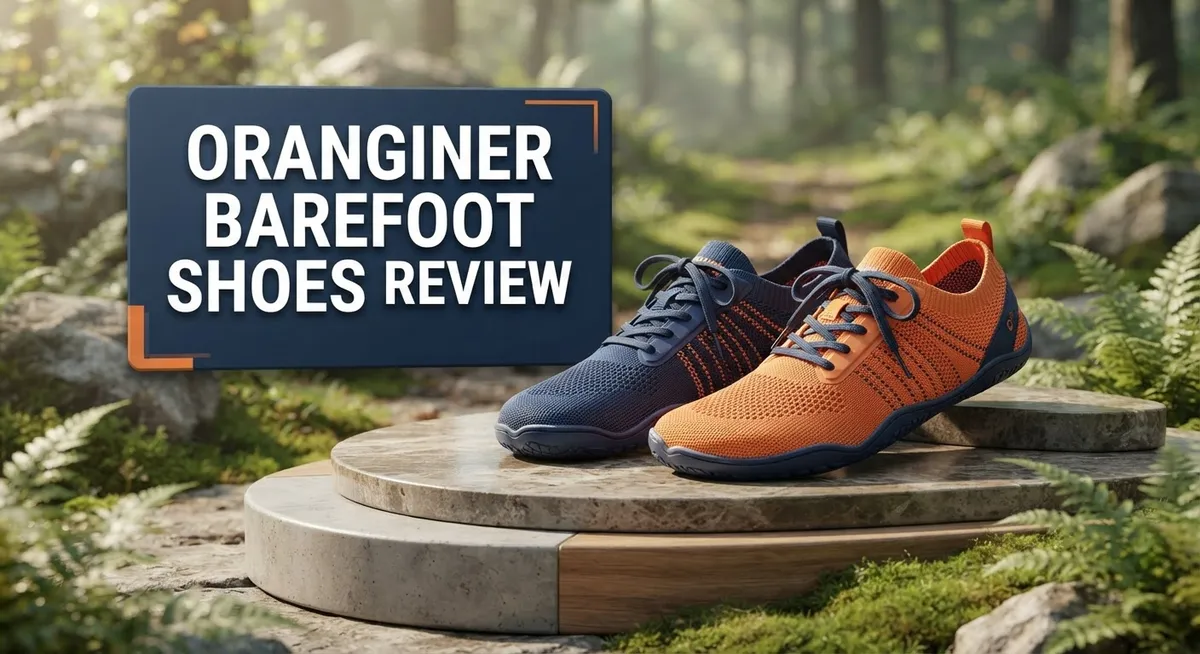
Oranginer Barefoot Shoes Review 2026: Should You Try This?
Do you want shoes that let your feet move naturally? Oranginer Barefoot Shoes might be what you need. These shoes copy the feeling of walking without shoes at all.
Many people want strong feet and better balance. Traditional shoes often squeeze toes and limit movement. Oranginer takes a different path.
This shoe features a wide toe box. Your toes can spread out fully. This helps your feet work the way nature intended.
The upper is made from synthetic mesh. Your feet stay cool and dry during workouts. The design stays lightweight and flexible too.
But how does this shoe compare to big names like Vivobarefoot and Xero Shoes? Does it hold up over time? We tested the build quality, comfort, and performance closely.
This review covers everything you need to know. We share the good parts and the parts that need work. By the end, you will know if these shoes fit your feet and your goals.
In a Nutshell
Here is a quick summary before you dive deeper into this review.
- Foot Strength Focus: These shoes help your feet spread naturally. This can build stronger foot muscles over time.
- Build Quality Concerns: Some users report sole separation after light use. The adhesive may not last long term.
- Best for Light Activities: These shoes work well for walking or gym sessions. They are not built for rough trails or hiking.
- Minimal Cushioning: The sole is thin and offers little padding. This suits people who want a true ground feel.
- Competitor Comparison: Brands like Vivobarefoot and Xero Shoes often use tougher materials. Oranginer focuses more on breathability and flexibility.
- Who Should Buy: Pick these shoes if you want a lightweight option for casual training. Skip them if you need heavy duty support for tough terrain.
Overall, Oranginer Barefoot Shoes offer a solid entry point into barefoot style footwear. Just watch for durability issues down the road.
Material and Fabric Quality
The synthetic mesh upper on these shoes prioritizes breathability over durability. Air flows through the material easily, keeping your feet cool during workouts. However, this open weave construction comes with a trade off in longevity.
The mesh fabric itself feels thin to the touch. You can press your finger through it without much resistance. This design choice helps reduce weight, but it also means less protection from wear and tear over time.
Adhesive durability is the real weak point here. Users report that the sole begins separating from the upper after several weeks of regular use. The glue used in construction doesn’t seem strong enough for everyday activity. This isn’t a defect in one or two pairs. It’s a consistent pattern across multiple customer experiences.
The sole material is rubber, but it’s compressed and minimal. There’s almost no cushioning between your foot and the ground. This works fine if you’re walking on smooth surfaces. Rough terrain or extended wear on hard pavement causes faster deterioration.
Compared to competitors, the fabric quality falls short. Vivobarefoot shoes use reinforced mesh with better stitching. Xero Shoes incorporate more durable synthetic blends. These brands invest in materials that last longer under stress.
The minimalist construction does have one advantage. The thin, flexible fabric allows natural foot movement. Your toes spread freely without restriction. The material moves with your foot instead of fighting against it. This benefit matters if strengthening your feet is your main goal.
For light activities like gym sessions or casual walking, the materials hold up reasonably well. The problems emerge when you increase frequency or intensity. Daily use over several months reveals the adhesive issues. The mesh itself remains intact, but it separates from the sole.
If you prioritize natural movement over long term durability, these materials serve your needs. Just understand the limitations. Plan for replacement sooner rather than later. The fabric quality reflects the overall construction philosophy. Function matters more than longevity in this design.

- Wide Toe Box Design - Wide enough toe box allows your toes to relax and spread out naturally for more comfort and...
- Barefoot Inspired - Wearing this barefoot you’ll engage your feet more, and strengthen the muscle fibers that get...
Last update on 2026-09-18 / Affiliate links / Images from Amazon Product Advertising API
Fit and Sizing
Oranginer Barefoot Shoes come in men’s sizes 6.5 through 13. This range covers most standard foot sizes for adult males. If you wear a half size, you have options at the lower and upper ends of the spectrum.
The wide toe box is one of the biggest fit advantages here. Your toes get plenty of room to spread naturally. This matters if you’ve worn tight shoes before and want your feet to breathe. The shoe doesn’t squeeze your forefoot at all.
Sizing runs true to normal shoe measurements. Most buyers report that their regular size fits well without adjusting up or down. You don’t need to overthink the selection process. Pick your usual size and you should be fine.
The minimalist design means there’s almost no arch support built in. This is intentional. Barefoot shoes let your foot muscles do the work instead of relying on added structure. If you’re used to cushioned shoes with arch support, the transition takes time. Your feet need to adapt to working harder.
The overall fit feels snug around the heel and ankle area. The synthetic mesh upper wraps your foot securely without feeling restrictive. The shoe doesn’t slip during movement. Even during light running or gym sessions, the fit stays stable.
One thing to note: the thin construction affects how the shoe feels on your foot. There’s minimal padding anywhere. The insole is basically flat. You feel the ground more directly than in traditional shoes. Some people love this sensation. Others find it uncomfortable initially.
The shoe sits low to the ground. This gives you excellent ground contact and balance. Your foot stays close to the earth, which is the whole point of barefoot style shoes.
Width compatibility works well for people with standard to slightly wider feet. If you have very narrow feet, the wide toe box might feel loose. If your feet are extremely wide, you might still find the fit acceptable since the box itself is generous.
Overall, Oranginer Barefoot Shoes fit predictably and accommodate natural foot movement effectively. The true test comes after weeks of wear, when durability becomes the real concern rather than initial fit.
Comfort and Wearability
These shoes prioritize a natural feel over traditional cushioning. Your feet experience direct ground contact, which some barefoot enthusiasts love. The thin sole means you’ll feel every surface beneath you. This works great for gym sessions or controlled indoor walking.
The wide toe box lets your toes spread out freely. Your foot muscles engage more actively than in standard shoes. This natural spreading sensation takes adjustment if you’re coming from padded footwear. Most people adapt within a few days of regular wear.
Breathability stands out as a real strength here. The synthetic mesh upper keeps your feet cool during workouts. Air flows through the fabric easily, preventing sweat buildup. Your feet won’t feel trapped or stuffy, even during longer sessions.
The heel and ankle area fit snugly without feeling restrictive. The shoe sits low to the ground, giving you a grounded sensation. This design encourages better posture and foot awareness during movement. The minimalist construction means less material overall, so your foot feels the shoe less.
However, comfort depends on your activity level. These shoes excel for casual walking and light training. They feel responsive when you’re moving on flat surfaces. The lack of arch support matters most during standing activities. If you stand in one place for hours, your feet may feel fatigued.
The thin construction affects long-term comfort. Extended wear sometimes leads to foot soreness because there’s no cushioning buffer. Your feet absorb more impact directly. This suits people building foot strength, but not those seeking comfort above all else.
The overall fit runs true to normal shoe sizing. Standard to slightly wider feet find the fit accommodating. The shoe won’t slip around your heel during movement. You get a secure, locked-in feeling without tightness.
These shoes work best for people who value natural movement and ground feel. They’re ideal for gym training, casual walking, and cross-training sessions. If you want maximum cushioning or all-day standing comfort, look elsewhere. For barefoot style activities, the wearability delivers what you’d expect from a minimalist design.
Top 3 Alternatives
Vibram FiveFingers

- LIGHTWEIGHT & BREATHABLE MESH: Features an airy polyester mesh upper designed for maximum ventilation. This lightweight...
- MINIMALIST GROUND FEEL: Thin 3 mm rubber outsole for flexibility and a natural, close to ground feel across surfaces.
Last update on 2026-09-18 / Affiliate links / Images from Amazon Product Advertising API
Vibram FiveFingers stand out because each toe gets its own pocket. Your feet feel the ground directly, which helps your natural balance improve. These shoes work great for gym training, running, and hiking on light trails.
The individual toe slots take time to get used to. Many people love them after a few weeks of wearing them. Your foot strength builds faster with this design since your toes work independently.
Merrell Barefoot Trail

- Breathable mesh and TPU upper
- Burrito tongue wraps the foot to enhance a natural fit

Last update on 2026-09-03 / Affiliate links / Images from Amazon Product Advertising API
Merrell Barefoot Trail shoes offer a middle ground between regular shoes and extreme barefoot options. They have minimal cushioning but still protect your feet from sharp rocks and rough terrain.
These shoes fit well for trail runners who want ground feel without total exposure. The grip is excellent on wet surfaces, making them reliable for variable weather. Your feet stay connected to the earth while staying safe.
Xero Shoes Prio

- Natural Movement Design: Barefoot + minimalist principles with a wide toe box for natural splay, zero-drop for proper...
- Lightweight Performance: Our icon that started it all; multi-purpose athletic shoe
Last update on 2026-09-03 / Affiliate links / Images from Amazon Product Advertising API
Xero Shoes Prio delivers a lightweight, flexible barefoot experience. The sole is thin enough to feel every step you take. These work for casual walking, light running, and everyday wear.
The design appeals to people who want barefoot benefits without learning a complex shoe system. Your toes stay in one compartment, which feels more natural to many users. The shoes pack small, making them perfect for travel or gym bags.
All three options let your feet move naturally. Choose based on your activity level and how much ground feedback you want. Each shoe builds foot strength differently, so your choice depends on your fitness goals and comfort preferences.
Versatility and Use Cases
Oranginer Barefoot Shoes work well for several everyday activities and fitness routines. These shoes shine in light gym sessions, casual walking, and low-impact cross-training. The minimalist design lets your feet move naturally without heavy cushioning getting in the way.
The wide toe box makes these shoes ideal if you prefer your toes to spread out freely during exercise. This feature helps with balance and natural foot mechanics during yoga, pilates, or strength training. Your feet stay connected to the ground, which many people find beneficial for proprioception and stability work.
For jogging and running on flat surfaces, these shoes work reasonably well. The lightweight construction keeps your feet from feeling weighed down. However, expect minimal impact protection, so they suit short distances better than marathon training.
Walking remains one of the strongest use cases here. The breathable mesh keeps your feet cool during longer strolls. The snug heel and ankle area provide enough support for casual neighborhood walks or park outings.
What these shoes do NOT handle well is rough terrain or hiking. The thin construction and minimal cushioning make rocky or uneven ground uncomfortable. Avoid using them on trails, gravel paths, or outdoor adventures that demand protection.
Training activities like kickboxing or martial arts work fine for short sessions. The ground feel helps with footwork and positioning. Just remember that extended wear sometimes causes foot soreness because there’s no real cushioning underneath.
Cross-training workouts fit the Oranginer profile perfectly. You get enough flexibility for varied movements without excessive padding. The shoes transition smoothly between different exercise types.
These shoes also suit indoor activities like dance classes or gym floor work. The breathable mesh prevents sweat buildup, and the minimal sole keeps you close to the ground for better feel and feedback.
The key takeaway: Oranginer Barefoot Shoes work best for activities where natural foot movement matters more than protection. They excel in controlled environments like gyms and indoor spaces. Avoid demanding terrain or high-impact sports where durability and cushioning become critical factors for safety and comfort.
Durability and Build Longevity
Oranginer Barefoot Shoes feature a synthetic mesh upper paired with a minimalist construction that keeps the overall weight down. This lightweight approach comes with a trade-off when it comes to long-term durability.
The main durability concern centers on sole separation. Multiple users report that the adhesive bonding the sole to the upper begins to fail after several months of regular use. This happens especially when you wear these shoes for activities that involve repetitive foot strikes or constant ground contact.
The thin construction, while beneficial for ground feel and natural movement, works against longevity. Thinner materials simply break down faster under stress. The synthetic mesh upper can develop small tears or holes if you wear these shoes on rough surfaces or expose them to sharp objects. The minimalist design means there’s less material overall to absorb impact and protect against wear.
Adhesive durability remains the weakest point in the build. The shoe relies heavily on glue to hold components together rather than stitching or more robust fastening methods. In humid or wet conditions, this adhesive can weaken even faster. Some owners have had to replace their shoes within 6 to 12 months of regular wear.
That said, these shoes perform better when you use them for their intended purpose: light activities on smooth surfaces. Walking on flat ground, indoor gym work, and short jogging sessions on pavement keep stress levels lower. These use cases extend the shoe’s lifespan compared to rough terrain or intense training.
The wide toe box and flexible sole do help prevent certain types of premature wear. Your foot moves naturally without fighting the shoe structure, which reduces stress points that typically cause faster deterioration.
For casual to moderate use, expect 6 to 12 months of functional life. Heavy daily users might see issues sooner. Replacement options exist through coupon programs, but understanding the durability limitations helps you make an informed decision about whether these shoes fit your activity level and replacement expectations.
Pros and Cons
Pros
- Lightweight and breathable synthetic mesh keeps your feet cool during workouts
- Wide toe box allows your toes to spread naturally and freely
- Minimalist design strengthens foot muscles over time
- Flexible sole provides excellent ground feel for natural movement
- Works well for walking, jogging, training, and cross-training on smooth surfaces
Cons
- Sole separation and adhesive durability issues reported after extended wear
- Minimal cushioning and thin construction cause foot soreness during longer activities
- Not suitable for hiking or rough terrain due to weak build quality
- Functional lifespan typically ranges from 6 to 12 months with casual to moderate use
Who Should Buy It
Oranginer Barefoot Shoes work best for specific types of people and activities. Let’s break down who should actually buy them.
Beginners exploring barefoot running make an ideal customer group. These shoes let you experience minimal footwear without a huge commitment. You get ground feel and natural movement without premium pricing elsewhere in the market.
Casual walkers and light joggers fit the profile perfectly. If you stick to smooth surfaces like parks, tracks, or gym floors, these shoes perform well. They’re not designed for serious marathon runners or trail athletes.
Gym enthusiasts doing cross training should consider them seriously. Activities like kickboxing, dance classes, or general fitness work on flat surfaces suit the Oranginer design. The flexible sole and wide toe box support natural movement patterns.
People with wide feet or toe-spreading preferences find real value here. The spacious toe box prevents cramping during exercise. Your toes can spread freely without restriction, which many barefoot enthusiasts prioritize.
Budget conscious fitness fans appreciate the entry point. You can test barefoot shoes without financial risk. The free replacement coupon sweetens the deal for early adopters.
Indoor gym users get more mileage from these shoes. Gym floors, yoga studios, and indoor tracks are ideal environments. Outdoor rough terrain is where these shoes struggle most.
Avoid these shoes if you need durability for heavy use. Hikers, trail runners, and daily commuters should look elsewhere. The thin construction and adhesive concerns make them unsuitable for demanding conditions.
People with foot pain or injury recovery should consult a professional first. Minimal cushioning means less shock absorption. Extended wear on longer activities can cause soreness.
Serious athletes wanting premium barefoot shoes should explore Vivobarefoot or Xero Shoes instead. Those brands offer better durability and specialized features.
The bottom line: Oranginer Barefoot Shoes suit light to moderate users on smooth surfaces who want to explore barefoot movement. They’re not for everyone, but they’re perfect for the right person.
Final Verdict
Oranginer Barefoot Shoes deliver a solid entry point into barefoot style footwear. They shine for people who want a natural feel without a heavy commitment.
The design supports foot health goals. It helps you build strength and improve balance over time. This makes it a smart pick for anyone new to minimalist shoes.
Build quality remains the main drawback. Competitors like Xero Shoes and Vivobarefoot often use tougher materials. Oranginer trades some durability for a lighter, more breathable feel.
The good news is Oranginer backs its product with a free replacement coupon. This gives buyers some peace of mind if issues pop up early. It shows the brand stands behind its craftsmanship, even if the materials are not perfect.
If you compare Oranginer to brands like Inov8 or Groundies, the difference is clear. Those brands target performance athletes and rough terrain use. Oranginer focuses on comfort and everyday wearability instead.
This shoe is not built to compete with premium barefoot brands on toughness. But it does not try to. It offers a simple, functional design for people testing the barefoot lifestyle.
Think of Oranginer as a starter shoe rather than a long term investment. It works well for short term goals like building foot strength or trying a new training style.
For casual movement, indoor workouts, and light training, this shoe performs its job well. It falls short only when pushed into demanding environments it was never meant for.
Final take: Oranginer Barefoot Shoes suit beginners and casual users who want a natural fit and improved toe freedom. They are not the shoe for serious athletes or outdoor adventurers.
If you know its limits and use it the right way, it can be a great addition to your shoe rotation. Just keep expectations realistic about how long it will last under heavy use.
Frequently Asked Questions
Do Oranginer Barefoot Shoes work for beginners?
Yes, they work well for beginners. These shoes let your feet spread naturally and strengthen foot muscles over time. Start with short walks or light gym sessions. Your feet need time to adjust to barefoot style shoes.
Don’t jump into long runs right away. Build up gradually. If you have foot pain or injuries, talk to a doctor first before wearing any barefoot shoe.
Can I wear these shoes for hiking or outdoor trails?
No, skip hiking with these shoes. The thin construction and weak sole cannot handle rough terrain. Rocks, roots, and uneven ground will damage the shoe quickly.
These shoes work best on smooth surfaces like gym floors, indoor tracks, or pavement. Save them for controlled environments where you walk or jog on flat ground.
How long do Oranginer Barefoot Shoes last?
Most users get 6 to 12 months of wear with casual to moderate use. The main issue is sole separation and adhesive durability. Heavy use or daily commuting shortens the lifespan.
Indoor gym use extends the shoe’s life. Outdoor daily wear causes faster breakdown. The free replacement coupon helps if the sole fails early.
How do these shoes compare to Xero Shoes or Vivobarefoot?
Oranginer costs less but uses thinner materials. Xero Shoes and Vivobarefoot offer tougher construction. They last longer and handle more varied terrain.
Think of Oranginer as a starter option. Premium brands compete on durability. Oranginer competes on simplicity and entry level access to barefoot movement.
Who should avoid these shoes?
Avoid them if you need durability for heavy daily use. Skip them for hiking or trail running. People with active foot injuries should consult a professional first.
Daily commuters and frequent outdoor users need stronger shoes elsewhere.

Lipi is the founder and lead reviewer behind Fashion Reviewed. With a keen eye for quality, style, and value, she brings years of experience in fashion analysis and trend spotting to every review. Her passion for helping others discover amazing fashion finds drives the honest, detailed content you’ll find on this blog.