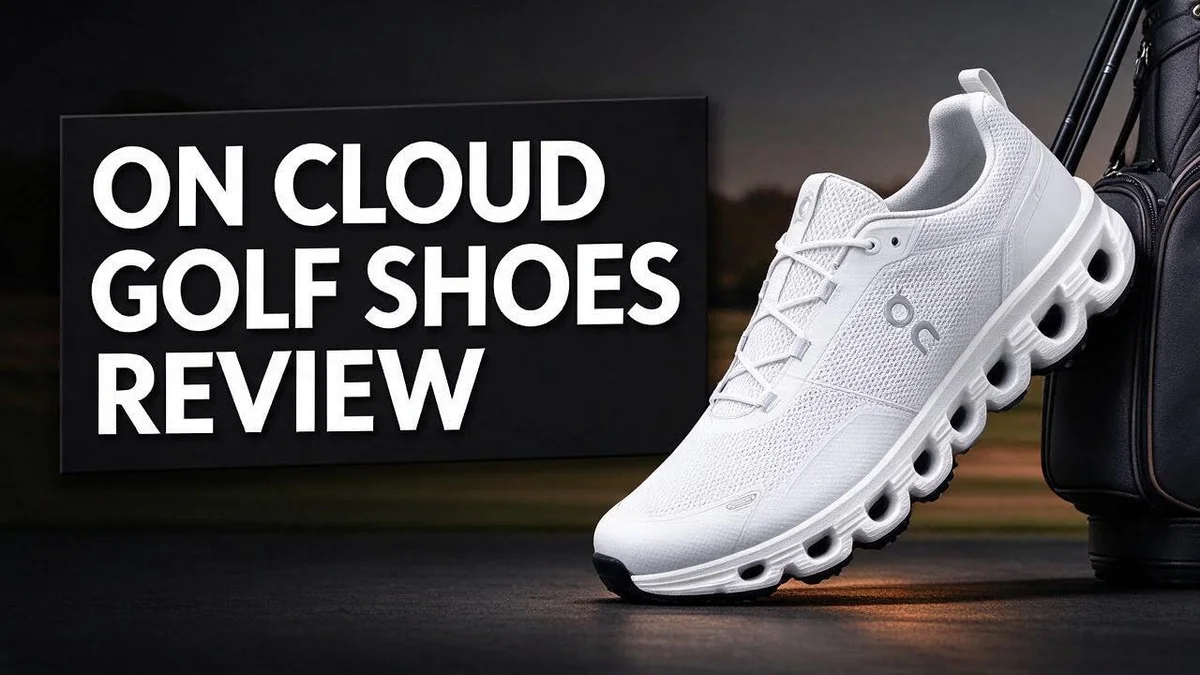
On Cloud Golf Shoes Review: Should You Try This?
Are you looking for a golf shoe that feels good from the first hole to the last? Many golfers want comfort that lasts through a full round. On Cloud golf shoes have caught the eye of players who spend hours on the course.
This review takes a closer look at the brand. We cover the models golfers ask about most, including the Cloudrunner 3 Max, the Cloud X 5, and the Cloud X Tempo. We also share what user feedback says so far.
Keep in mind that independent testing on these shoes is limited. Reliable data on weight, spike type, and waterproofing is hard to find. So we focus on what players report and what the brand offers.
Ready to see if these shoes fit your game? Keep reading to find out where On Cloud stands.
In a Nutshell
-
Three named models appear in the available research: the Cloudrunner 3 Max, the Cloud X 5, and the Cloud X Tempo. Each one may suit a slightly different golfer, so compare them side by side.
-
Competition is strong. Shoppers often compare On Cloud with FootJoy, Nike, ECCO, New Balance, Adidas, and G/Fore before they buy. Each brand brings its own style and fit, so this comparison helps you narrow your choices.
-
Real world feedback is thin. Most golfers want proof that their shoes stay comfortable over a full round of 18 to 36 holes. Right now, that proof is hard to find.
-
Durability remains an open question. Some players ask whether the soles last more than a few months. Keep an eye on wear marks after your first few rounds.
-
Fit matters most. Try the shoes on with your usual golf socks. Walk a few steps and check how the heel and toe feel.
-
Verdict for now: On Cloud looks promising, but treat it as a shortlist option rather than a final answer.
Build and Materials

- Men's golf shoes for performance on the course
- BOUNCE: Lightweight Bounce cushioning provides enhanced comfort and flexibility
Last update on 2026-11-03 / Affiliate links / Images from Amazon Product Advertising API
A golf shoe takes a lot of wear. It must handle grass, sand, wet mornings, and long walks. So the build matters just as much as the look.
Here is the honest starting point. The available research does not list verified materials for On Cloud golf shoes. No details on upper fabric, sole compound, or lining were found. That leaves a gap for buyers who want hard facts.
What the research does say is that one unattributed post describes the shoes as lightweight and breathable. That claim does not name On Cloud, though. So treat it as a general impression, not a confirmed feature.
The post also calls the shoes durable. Yet no testing backs that word up. Independent lab results or long term wear reports would make the claim far more useful.
Check the upper by hand. Press the material with your thumb. Look at the stitching around the toe box and heel. Clean, even seams often signal careful assembly.
Bend the sole gently. A good golf shoe flexes where your foot bends. It should not twist too easily through the midfoot. Give the sole a gentle press in the store to feel the response.
Look at the spike system. Ask whether the spikes are fixed or changeable. Changeable spikes make cleaning and replacement simpler. Check the thread quality where spikes screw into the plate.
Ask for material details directly. Brands and retailers often share fabric and sole information on request. Written answers give you facts that reviews cannot provide right now.
Materials matter, but how the shoe performs on your course matters more. Use this checklist as a shortlist filter before you decide. Your own hands on test will tell you more than any spec sheet.
Cushioning and Comfort Over 18 to 36 Holes
Cushioning shapes how your feet feel late in a round. Early holes feel easy for almost everyone. The real test comes after several hours on the course.
Foot swelling is a big factor. Feet often grow slightly after hours of walking, and warm weather makes it worse. A shoe that fits snugly at the first tee may feel tight by the back nine.
Try a fitting late in the day. Visit a shop in the afternoon if you can. This timing mirrors how your feet feel during a real round.
Walking style changes the picture too. Some golfers take quick steps while others stroll. Each pace puts pressure on different parts of the sole. Heavy walkers often want extra heel support.
Ask yourself where you feel pressure. Heel, ball, and toes each tell a story. Notice any hot spots during a short walk around the store.
Insoles deserve attention as well. Many golfers swap the factory insert for a custom or aftermarket option. Check whether the shoe has room for a thicker insole without crowding the toes.
Cushion feel also depends on terrain. Fairways, rough, and cart paths all press the foot differently. Hilly courses add extra strain on the arch and calves. Wet grass can also make a shoe feel different.
The research does not provide On-specific cushioning data. No lab results or long term wear reports appear in the sources. So treat comfort claims as starting points, not guarantees.
Keep a simple log after each round. Note which holes felt tough. Patterns often reveal whether the shoe supports you for the full distance.
Your feet know best. Comfort over 18 to 36 holes depends on your body, your swing, and your walking habits. Take your time with that decision. Use these checks to decide whether On Cloud belongs on your shortlist.
Traction and Stability on the Course
Traction decides how confident you feel on the course. A golf shoe must grip the turf during the swing and on wet slopes. The research gives no verified traction data for On Cloud golf shoes, so you need to check this yourself.
Stability matters just as much as grip. When you swing, your feet twist and push hard into the ground. A stable base keeps your body balanced.
Look for a firm heel area. A snug midfoot holds your foot in place during the turn.
Grip on wet grass is a different test. Morning dew can make turf slick. Ask yourself how the sole feels on damp ground.
Try this at home. Stand on a wet mat or a grassy patch and shift your weight from side to side.
Lateral movement tests the shoe. Golfers pivot on the back foot during the backswing. They push off the front foot through impact.
Try a few slow practice swings in the store. Notice whether your foot slides or stays planted.
Slopes add another challenge. Uneven lies ask your ankles to work hard. A shoe with a wider base can help you stay upright. Still, the research does not confirm this for On Cloud models.
Test traction in real conditions. Store floors are smooth and dry. They rarely show how a sole behaves on grass.
If possible, ask the shop if you can walk on a turf area. A demo mat outside also works well.
Keep notes after rounds too. Record any slips on wet holes, sand traps, or sloped fairways. Patterns in those notes tell you more than any single test.
Traction and stability depend on your swing style and course conditions. Gather your own evidence before you commit.
Top 3 Alternatives
Searching for a new pair of golf shoes? You have strong options beyond the usual picks. These three alternatives offer good grip, solid comfort, and a sharp look. Let’s take a closer look at each one.
FootJoy Pro SL

- Z-TEC upper provides target flexibility and support while ARCTrax/SL technology provides Tour-rated traction
- StratoFOAM heel crash pad for all-day walking comfort, 3D molded padded ankle collar with breathable mesh lining

Last update on 2026-11-03 / Affiliate links / Images from Amazon Product Advertising API
The FootJoy Pro SL suits golfers who want a light and flexible shoe. Its soft upper feels comfortable from the first hole to the last.
Its spikes grip wet grass well, so you can keep your footing on a morning dew round.
Many players also like its clean look for both casual rounds and formal events. A snug heel helps reduce slipping during your backswing.
Ecco Biom G5

- The performance-driven design crafted with genuine ECCO leather and high-performance materials, creating a perfect blend...
- BOA Fit System delivers micro-adjustable precision fit, engineered to perform in the toughest conditions and with the...
Last update on 2026-11-03 / Affiliate links / Images from Amazon Product Advertising API
The Ecco Biom G5 focuses on comfort for long days on the course. It features a cushioned midsole that absorbs shock with every step.
Walkers often praise its supportive fit and smooth ride.
The upper resists light rain, which keeps your feet drier during a windy round. Its breathable lining also helps your feet stay cool on warm afternoons.
Adidas Tour360

- Men's golf shoes made to answer the call against top-tier competition
- SNUG FIT: Adjustable laces provide a secure fit
Last update on 2026-11-03 / Affiliate links / Images from Amazon Product Advertising API
The Adidas Tour360 gives you a sporty style with solid traction. Its lightweight build helps you move with ease through every swing.
Many golfers choose it for a secure, athletic feel.
The flexible sole bends with your stride, so your walk feels natural. It works well for players who want a modern look on the fairway.
Durability and Water Resistance
Water changes how a golf shoe performs. Morning dew and light rain can turn a round into a real test.
Wet grass can soak through weak seams. Check where the upper meets the sole. Smooth, tight joints usually hold up better than loose edges.
Water resistance and breathability often pull in opposite directions. A very tight shell keeps rain out, but it can also trap heat and sweat.
The research does not confirm how On Cloud golf shoes handle rain. No waterproofing details or lab results were found. So you should test the shoes yourself.
Try a damp cloth test at home. Rub a wet cloth across the upper and watch for dark spots. Dark spots show that the material soaks up water quickly.
Wear your socks during the test. Stand on a wet surface for a few minutes. Notice whether your socks feel damp at the toes or heel.
Heavy rain can also seep in through the collar. Pull the shoe on and check the opening. A gap there lets water run inside fast.
Dry your shoes the right way. Remove the insoles after a wet round. Stuff the shoes with paper and let them air dry at room temperature.
Heat can warp glue and foam over time. Keep the shoes away from radiators, dryers, and hot cars.
Watch the spike wear too. Worn spikes grip less on wet turf. If the spikes are changeable, replace worn ones after a few rounds.
Store the shoes in a dry spot. Keep them in a cool closet between rounds. Good storage helps the materials last longer.
Style and On-Course Versatility
Many golfers want shoes that look good on the course and beyond. Plenty of players also like a sporty, casual style. Style matters more than many people expect. Clean lines can make a big difference during a social round.
On Cloud golf shoes come in a few named models, including the Cloudrunner 3 Max, Cloud X 5, and Cloud X Tempo. Each one has a sleek, athletic shape. The research does not describe the exact colors or design details for each model.
A clean look helps the shoe blend in. Many clubs have dress rules that ban sneakers or loud logos. A subtle design often passes these checks more easily.
Versatility is the next big question. Some golfers play a round and then head straight to dinner. Others wear their golf shoes for errands or a casual lunch.
A shoe that moves from the fairway to the parking lot saves space in the car. One pair can cover more of your week.
Casual shoes often look right with chinos, shorts, or joggers. Bright colors can pop on the course but feel less fitting in a city. Choose neutral tones if you want one pair for every day.
Keep in mind that the research offers limited style feedback. No reliable reviews compare how On Cloud shoes look next to rival brands like FootJoy, Nike, or ECCO. Golfers should check photos in person or at a shop before they decide.
Try the shoes with the outfits you already own. Stand in front of a mirror and check the overall look from the front and side. Ask a friend for an honest opinion.
Your style choices should match your own taste and your course rules.
Value for Money
Think about how often you play. A weekend golfer needs different things than someone who plays three times a week. Match the shoe to your playing schedule. Frequent players often need shoes that hold up through repeated rounds.
A new pair may feel stiff at first. Wear them around the house before your first round. Break-in time varies by person and by shoe, so be patient before you judge the fit.
Comfort adds up over a long day. Four hours on the course can feel very long in a stiff shoe. Golfers online ask whether their shoes stay comfortable over 18 to 36 holes. That question shows what many buyers care about most.
Plan a fair test period before you decide. Wear the shoes for several rounds, not just one. Note any rubbing, hot spots, or tired feet. Small problems early often grow into big frustrations later.
Compare the named models side by side. The Cloudrunner 3 Max, Cloud X 5, and Cloud X Tempo each suit different needs. The research does not show clear performance differences between them. Try each pair on the same day if you can.
Care habits shape how long any shoe lasts. Brush off mud after each round. Let the shoes air dry away from direct heat. Give them a day off between rounds so they dry fully. Good habits help shoes last longer.
Long-term use matters most. A shoe that serves you for many seasons often becomes the better choice over time. The research cannot confirm how long On Cloud models last. Ask the retailer about return rules and warranty terms before you buy.
Keep your own notes. Write down how each pair feels after eighteen holes and after a few months. Your notes will show whether the shoe still meets your needs. Your own experience tells you more than any general claim.
Pros and Cons
Pros
-
- Comfort is a key benefit golfers often look for in golf shoes.
-
- Some feedback calls them lightweight and breathable.
-
- Some users describe them as durable, though this is not confirmed for On Cloud.
-
- The named models give you choices like the Cloudrunner 3 Max and Cloud X 5.
-
- Casual styling may work for golfers who want one pair for the course and beyond.
Cons
-
- The research does not verify performance data for On Cloud golf shoes.
-
- It is unclear if comfort holds up over 18 to 36 holes.
-
- Long-term durability is not confirmed by solid testing.
-
- Independent reviews are limited, so try them on in person before you decide.
Who Should Buy It
On Cloud golf shoes suit a specific kind of golfer. Start by asking how you play. Do you walk the course or ride in a cart? Your answer shapes how much support you need.
Fit matters more than most buyers expect. Players with wide or narrow feet should check the shape of each model closely. Your foot should feel secure without any pinching at the toes. Also, measure both feet because many people have slightly different sizes. Buy for the larger foot.
Newer golfers may appreciate the simple lineup. The named models, including the Cloudrunner 3 Max, Cloud X 5, and Cloud X Tempo, give a clear starting point. You can compare a few options without feeling lost.
Experienced golfers who rely on proven data should proceed with care. The research lacks reliable performance numbers, durability tests, or independent reviews. Buyers who accept some uncertainty will likely feel more relaxed about this choice.
Golfers with past foot pain should talk with a podiatrist or club fitter first. A professional can point out fit issues that a quick try-on might miss.
Your score goal matters too. A player chasing lower scores may want strong data before committing. A relaxed golfer may simply enjoy the feel and the look.
Shoppers who already know other brands can build a fair comparison. FootJoy, Nike, ECCO, and New Balance all make golf shoes too. Put On Cloud beside one or two of them and note which pair fits your stride best.
The best buyer is patient and curious. Such a golfer tests the shoes, tracks how they perform, and then decides. If that sounds like you, On Cloud golf shoes deserve a place on your shortlist. Take your time with the decision, and enjoy the process.
Final Verdict
Our final verdict leans positive but cautious. On Cloud golf shoes may suit golfers who want a light, comfortable feel. Still, the research leaves several questions open.
Swing stability and heel hold deserve extra attention. A shoe can feel soft while walking but slide during a fast swing. Watch whether your heel stays put when you turn your hips.
Wet grass tells a different story. Many golfers play in morning dew or light rain. Test grip on damp turf before you commit, since no verified traction data exists for these models.
Watch how the shoes handle a long walk on hills. Uneven ground can shift weight to the toes. A stable sole helps you stay balanced through the back nine.
Read the return policy first. A good window gives you time to play a few rounds. Keep the box, tags, and receipt safe.
Consider your foot shape too. Wide feet or high arches may need a different build. If you feel pressure points at home, the course will likely make them worse.
Notice how you feel on the walk back to the car. Tired feet often signal a poor fit. Pay attention to heel rubbing or toe pinching.
Share your experience with other players. Ask golfers in your group how their shoes hold up. Real stories from your own circle often beat general claims. Ask about sizing and width, too. Their honest feedback can guide your choice.
In short, On Cloud golf shoes deserve a look, not blind trust. Try them in person, test them on real turf, and trust your own feet. That approach gives you the clearest answer.
Frequently Asked Questions
How long should I break in new golf shoes?
Wear them around the house for a few days first. Then walk a short nine holes before you play a full round. This helps you spot pressure points early.
What should I wear when I try on golf shoes?
Bring the socks you usually play in. Try them on later in the day because feet swell a little over time. Stand up, take a few practice swings, and notice how your heel feels.
How do I clean golf shoes after a wet round?
Remove the insoles and let the shoes air dry at room temperature. Avoid direct heat, since it can damage the materials. Brush off mud once it dries so the grime does not set in.
Can one pair handle both dry and wet courses?
Many golfers use one pair for both conditions. Test the grip on damp grass during your fitting. If the feet slide during a swing, try a different size or model.

Lipi is the founder and lead reviewer behind Fashion Reviewed. With a keen eye for quality, style, and value, she brings years of experience in fashion analysis and trend spotting to every review. Her passion for helping others discover amazing fashion finds drives the honest, detailed content you’ll find on this blog.