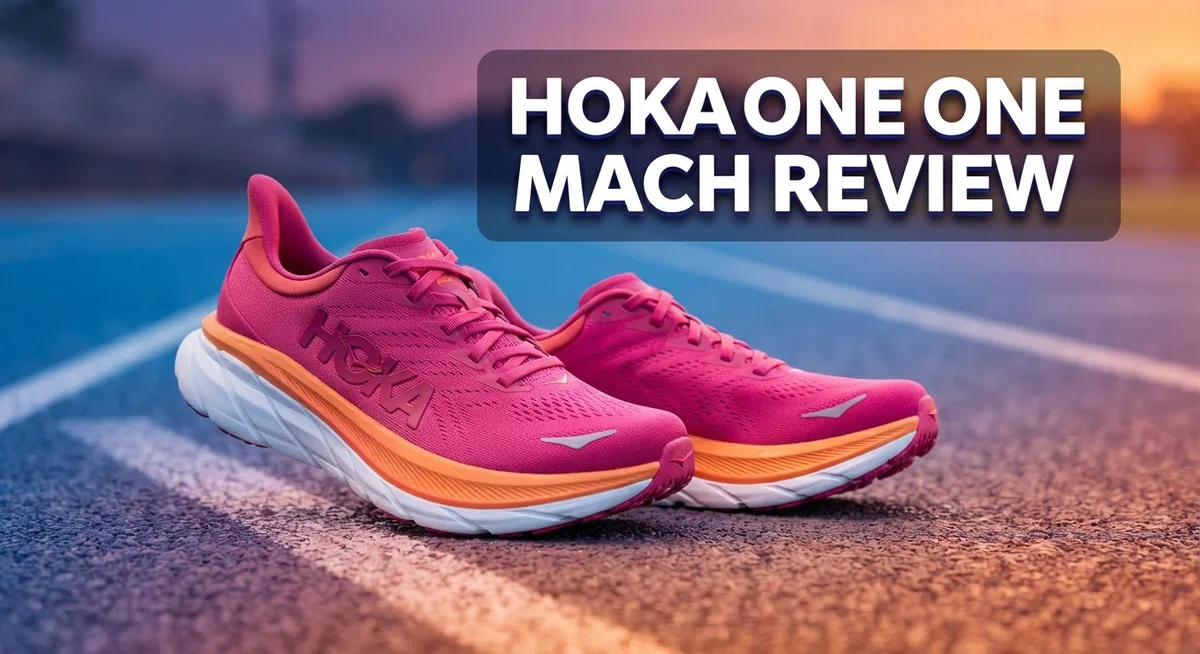
Hoka One One Mach Review 2026: Is It Worth The Hype?
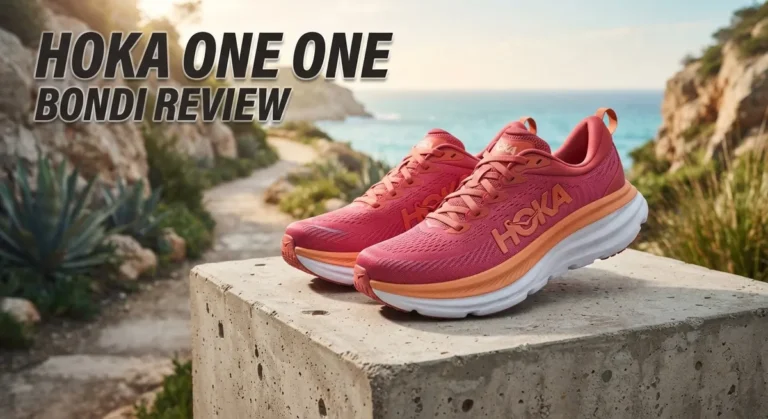
Looking for a running shoe that feels light but still delivers a springy ride? The Hoka One One Mach might be your answer.
This shoe blends two foam layers into one smooth package. A firm base gives stability. A softer top layer adds bounce.
Runners love the feather light feel of the Mach. It makes daily miles feel easier. It also handles faster paced runs with ease.
The redesigned upper hugs your foot. The heel collar feels secure but not tight. Many runners say the fit feels just right out of the box.
This shoe works for training runs and race day. That versatility makes it a favorite among many runners.
Of course, no shoe is perfect. The ride feels firm rather than plush. Some runners notice less bounce after 200 miles.
Opinions on the feel are mixed too. Some runners love the firmness. Others want more cushion underfoot.
So does the Hoka Mach deserve a spot in your rotation? Let’s break down what makes this shoe tick, generation by generation.
In a Nutshell
Here’s the quick lowdown on the Hoka Mach, generation by generation:
-
Built for speed: This shoe suits daily miles and quicker paced runs alike. It handles both easy jogs and tempo efforts well.
-
Cadence boost: Many runners notice their stride turnover improves with the Mach. The shoe seems to encourage a quicker, snappier gait.
-
Tough outsole: The rubber base holds up over time. Durability stands out as a strong point across most Mach versions.
-
Firm, not plush: Don’t expect a cushy cloud like ride here. The foam feels firm underfoot, which some runners love and others find too stiff.
-
Mileage matters: Performance can dip after 200 miles. The springy feel fades a bit once you hit that mark.
-
Reliable fit: The shoe stays secure through faster paces. It locks your foot in place without feeling tight or restrictive.
Overall, the Mach works hard for runners who want speed and structure in one shoe.
Build and Materials
The Hoka One One Mach uses a dual EVA foam stack that sets it apart from many competitors. The bottom layer features firm, rubberized foam. This base provides stability and durability. The top layer is softer and more responsive. Together, these two layers create a unique feel that balances support with energy return.
The upper construction received a complete redesign across recent generations. The mesh breathes well during warm weather runs. The heel collar sits lower than traditional trainers. This design reduces irritation and allows more ankle freedom. The fit feels snug without feeling restrictive.
The outsole rubber compound deserves special attention. Hoka applied rubber strategically to high wear areas. This approach keeps weight down while protecting the shoe. Runners report the outsole holds up through hundreds of miles. The tread pattern grips well on both pavement and light trails.
The midsole geometry contributes to the shoe’s responsive character. Hoka’s signature curved rocker geometry works here too. This shape encourages your foot to move forward naturally. Your leg muscles work less hard. Your cadence often improves without extra effort on your part.
The overall construction feels lightweight but sturdy. The shoe weighs less than many daily trainers. Yet the materials don’t feel flimsy. Runners appreciate this balance between minimal weight and real protection.
One important detail: the firmness of the foam means less cushioning softness. If you prefer plush, cloud-like rides, this shoe may feel harsh at first. Your feet need time to adapt. Most runners adjust within a few runs.
The heel collar design keeps your foot locked in place. This matters during faster paced efforts. Your foot stays centered. You avoid rolling or shifting inside the shoe.
The materials age differently over time. Around 200 miles, some runners notice the foam feels less bouncy. The responsiveness gradually decreases. This is normal for most running shoes. The Mach simply shows this wear pattern more noticeably than some competitors. The outsole still performs well beyond this point. The shoe remains functional for easy runs and cross training.

- Textile
- Polyurethane
Last update on 2026-10-13 / Affiliate links / Images from Amazon Product Advertising API
Comfort and Fit
The Hoka One One Mach delivers a snug, secure fit that keeps your foot stable during fast runs. The redesigned upper wraps around your midfoot without excess pressure. You get a locked-in sensation that runners appreciate when pushing pace.
The heel collar sits at a comfortable height. It doesn’t rub or create hot spots on your Achilles. Your heel stays put even when you pick up speed on downhill sections.
Width-wise, the Mach runs true to size for most runners. The shoe accommodates standard to slightly narrow feet well. If you have wider feet, you may want to try the shoe on first or size up half a size.
The toe box gives you adequate room to splay your toes naturally. You won’t feel cramped during long runs or sprints. This design choice helps reduce blisters and black toenails on race day.
The dual EVA foam stack creates a firm but responsive underfoot feel. The softer top layer sits on a firm rubberized base. This combination means your foot gets support without excessive softness. Some runners call this “bouncy.” Others say it feels “snappy.” The ride sits somewhere between plush cushioning and minimal shoes.
Breaking in the Mach takes minimal time. Most runners feel comfortable in the shoe within one or two runs. The materials don’t require a long adjustment period like some racing shoes do.
Arch support is moderate and works well for neutral runners. If you overpronate significantly, you may want to explore other options. The midsole geometry supports your natural foot strike without correcting excessive motion.
Heel to toe drop measures at a standard racing shoe height. This geometry promotes a quicker cadence for many runners. Your feet naturally turn over faster without conscious effort.
Sweat management happens through the breathable upper mesh. Your foot stays dry during humid conditions. Moisture doesn’t pool inside the shoe during longer efforts.
Overall, the Mach prioritizes a secure, responsive fit over maximum cushioning comfort. Your foot feels connected to the ground. This direct connection appeals to runners who value feedback and control during their runs.
Performance and Responsiveness
The Hoka One One Mach shines when you need quick responsiveness underfoot. The dual EVA foam stack works like a spring that bounces back with each stride. Your foot lands, the foam compresses, and then it snaps back to propel you forward. This creates that snappy feel runners crave during tempo runs and race day efforts.
What makes this shoe special is the balance between firmness and energy return. The rubberized base layer stays stable while the softer top layer adds some cushioning. You get responsiveness without sacrificing control. Many runners report feeling faster simply because the shoe encourages quicker cadence naturally.
The midsole geometry plays a key role here. It’s engineered to guide your foot through a smooth transition from heel strike to toe off. This smooth pathway means less wasted energy and more efficient forward motion. Your legs don’t have to work as hard to maintain speed.
One thing to know: the responsiveness stays strong for the first 200 miles. After that point, some runners notice the foam begins to feel less lively. This is normal wear and tear on any racing shoe. The outsole rubber holds up better than the midsole foam over extended use.
The redesigned upper doesn’t just look modern. It works with the responsive midsole to create a cohesive fast running experience. Your foot stays locked in place, so you can focus on speed rather than adjusting your shoe mid run.
The Mach excels for runners who prioritize quick turnover and forward momentum. If you prefer a softer, more cushioned ride, this shoe might feel too firm initially. But if you love that connected feeling where you sense every push off the ground, the Mach delivers exactly that.
Testing the responsiveness is simple. Go for a tempo run or short speed workout. You’ll feel how the shoe encourages faster leg turnover. The foam responds instantly to your effort, making quick paces feel more natural and sustainable.
Top 3 Alternatives
ASICS Gel Nimbus

- Engineered jacquard mesh upper: Wraps the foot with a soft feel
- At least 75% of the shoe's main upper material is made with recycled content to reduce waste and carbon emissions
Last update on 2026-10-08 / Affiliate links / Images from Amazon Product Advertising API
The ASICS Gel Nimbus delivers exceptional cushioning for runners who want comfort above all else. This shoe features gel technology in both the heel and forefoot, absorbing impact effectively during your runs.
The upper feels soft and breathable. Your feet stay cool even on longer distances. The shoe works well for neutral runners tackling marathon training or casual jogging.
New Balance Fresh Foam

- FRESH FOAM CUSHIONING — Precision-engineered Fresh Foam midsole cushioning helps deliver a soft, cushioned...
- ALL-DAY COMFORT — Designed for all-day wear and everyday running, this women’s shoe blends soft cushioning with...

Last update on 2026-10-08 / Affiliate links / Images from Amazon Product Advertising API
New Balance Fresh Foam offers a lightweight alternative that doesn’t sacrifice support. The Fresh Foam midsole provides responsive cushioning that bounces back with each stride.
This shoe feels snappy and energetic. Runners appreciate how it handles both tempo runs and easy days. The fit tends to be generous, giving your toes plenty of room to move naturally.
Brooks Ghost Running

- THIS MEN’S SHOE IS FOR: Offering the perfect balance of comfort and protection, the Ghost Max 3 features a high stack...
- BREATHABLE, COMFORTABLE UPPER: The new high-fidelity textile with a soft hand feel is paired with engineered mesh to...
Last update on 2026-10-08 / Affiliate links / Images from Amazon Product Advertising API
Brooks Ghost Running stands out as a versatile daily trainer for most foot types. The DNA Loft v2 cushioning creates a smooth, cloud-like feel underfoot.
This shoe adapts well to different running paces and terrains. The rubber outsole provides reliable grip on pavement and light trails. Many runners keep this shoe in rotation because it performs consistently across various conditions without requiring special care or technique adjustments.
All three shoes prioritize comfort and cushioning. Each one suits different preferences—Gel Nimbus excels in maximum cushioning, Fresh Foam shines in responsiveness, and Ghost Running balances comfort with versatility. Your choice depends on whether you prefer plush support, energetic bounce, or all-around reliability during your training.
Durability and Longevity
The Hoka One One Mach shows solid durability characteristics across multiple generations. The outsole rubber compound resists wear effectively during regular training runs. Most runners report the sole holds up well through 300+ miles of use before showing significant tread loss.
The dual EVA foam stack creates a trade off between protection and lifespan. The firm rubberized base layer protects against compression breakdown over time. However, the softer top layer gradually softens with use, which is normal foam behavior.
Responsiveness peaks during the first 200 miles. After this point, the midsole begins losing its snappy feel as the foam compresses. This doesn’t mean the shoe fails. It simply means the shoe transitions from a racing tool to a solid daily trainer. Many runners accept this shift and continue wearing the Mach for easy runs.
The upper materials show good durability in real world conditions. The redesigned mesh construction resists tearing and holds its shape well. Seams remain intact through hundreds of miles when cared for properly. The heel collar doesn’t develop creasing issues that plague some lightweight shoes.
One consideration: the firm foam formula ages differently than plush cushioning systems. Firmer foams tend to maintain structure longer but feel less responsive as they age. Softer foams compress faster but often feel more forgiving during their decline.
Storage conditions affect longevity significantly. Shoes kept in cool, dry spaces last longer than those exposed to heat or moisture. Direct sunlight can degrade the foam and upper materials over time.
The Mach typically lasts 300 to 400 miles before major performance decline occurs. Some runners push past 400 miles for easy paced workouts. Others retire the shoe earlier if they prioritize maximum responsiveness.
Maintenance matters for durability. Hand washing the upper and air drying extends the shoe’s life. Rotating between multiple pairs reduces wear on any single shoe. This simple practice doubles or triples the lifespan of your running shoes overall.
The Mach represents a durable choice for runners seeking longevity in a lightweight package. It won’t outlast heavily cushioned trainers, but it performs reliably within its design purpose.
Versatility for Different Running Styles
The Hoka One One Mach adapts well to different running styles because of its balanced design. Neutral runners find the moderate arch support and firm foam stack work together perfectly for their stride pattern. The shoe doesn’t force your foot into any specific movement, so it feels natural whether you land mid foot or heel first.
Speed focused runners love this shoe for one clear reason: the responsive midsole pushes back with energy. Your cadence naturally increases because the shoe rewards quick turnover. Each push off the ground feels snappy and connected, which makes tempo runs and interval workouts feel effortless.
Easy run days present an interesting situation. The firm ride means this shoe works best when you’re moving with intent. Slower paces can feel a bit harsh underfoot because the cushioning doesn’t soften the impact as much as plush trainers do. However, many runners actually prefer this feedback during recovery runs because it keeps them honest about their effort level.
Long distance runners should know something important: the Mach performs best for half marathons and shorter distances. The firm foam stack provides enough response for marathon training, but the midsole loses its snappy feel around 200 miles. This matters if you’re logging high weekly mileage.
Trail runners typically avoid this shoe because the outsole design and upper construction suit road surfaces. The narrow fit and responsive feel work against technical terrain where stability matters more than speed.
Lighter runners and heavier runners experience this shoe differently. Lighter athletes feel the responsiveness immediately and love the ground contact. Heavier runners sometimes find the firm foam feels less forgiving on their joints, though the durable outsole still protects them well.
The key takeaway is simple: the Mach works best for runners who value responsiveness and speed over maximum cushioning. If your running style emphasizes quick feet, forward momentum, and efficient turnover, this shoe matches your needs perfectly. Runners seeking plush comfort for every situation should look elsewhere.
Pros and Cons
Pros
- Feather light weight makes this shoe feel fast and nimble on your feet
- Springy responsive midsole returns energy with each stride for quick turnover
- Works well for daily training runs and faster paced efforts
- Durable outsole holds up through hundreds of miles
- Comfortable fit with an improved upper design that moves with your foot
Cons
- Firm foam feel takes adjustment if you prefer plush cushioning
- Responsiveness noticeably drops after 200 miles of running
- User opinions split on whether the firm ride feels good or too hard
- Best suited for shorter distances like half marathons rather than ultra long runs
Who Should Buy It
The Hoka One One Mach fits runners who want speed and energy return in every stride. This shoe works best for people who prioritize responsiveness over cushioning comfort.
You should buy the Mach if you run shorter distances regularly. Half marathon runners find this shoe performs excellently. The responsive midsole gives you that snappy push-back feeling mile after mile. Your cadence improves naturally with this shoe’s design.
Daily trainers love the Mach for one simple reason: it feels fast even on easy days. The lightweight construction makes your legs feel fresher. You won’t feel weighed down during your morning runs. Runners who do speed work benefit from the firm foam formula. Tempo runs and interval sessions become easier to execute.
The Mach suits runners with a lighter body weight particularly well. Your frame won’t compress the foam as much, keeping that responsive feel intact. Heavier runners still find the shoe functional, though the firmness becomes more noticeable.
This shoe is NOT for everyone. If you love plush, cloud like cushioning, the Mach will feel too firm for your taste. The shoe demands an adjustment period. Your feet need time to adapt to the firmer midsole. Some runners never adjust and prefer softer alternatives.
Ultra distance runners should look elsewhere. The Mach shines for 5Ks through half marathons. Beyond that distance, you’ll want more cushioning protection. The responsiveness drops noticeably after 200 miles, so replacement timing matters for competitive runners.
Road runners find the Mach excellent. Trail runners typically avoid this shoe because the outsole and upper design serve pavement better. The shoe’s construction simply works better on smooth surfaces.
Consider the Mach if you value quick turnover and ground feel. You want a shoe that responds to your effort. You don’t need maximum cushioning for comfort. You run mostly on roads and shorter distances. You’re willing to replace shoes more frequently as responsiveness declines. The Mach rewards runners who understand its specific purpose: fast, efficient daily training and racing efforts on roads.
Final Verdict
The Hoka Mach earns its spot as a solid choice for runners who want energy in every step. Its lightweight build and springy ride make workouts feel exciting instead of tiring.
This shoe shines brightest for people who train often and push their pace. If your runs mix easy jogs with speed sessions, the Mach adapts well to both.
The firm cushioning might surprise first time wearers. Give your feet a few runs to adjust before judging the feel. Many runners grow to love the snappy response once they break it in.
Think about your running goals before buying. Someone chasing personal records on shorter routes will likely enjoy this shoe far more than someone logging slow recovery miles.
The upper deserves praise too. It wraps the foot snugly without feeling tight or restrictive. This small detail adds up during long training blocks.
Durability stands out as another strong point. The outsole resists wear even after frequent use on pavement and tracks.
Keep in mind that performance peaks early in the shoe’s life. Plan to track your mileage so you know when it’s time for a fresh pair.
Overall, this shoe rewards runners who already enjoy fast paced training. It may not satisfy those who prioritize soft landings above everything else.
If you crave a shoe that feels alive underfoot, the Mach delivers that experience reliably. It turns ordinary runs into something more dynamic.
For runners stuck between daily comfort and race day speed, this model offers a nice middle ground. It never feels like just another training shoe.
Our final take: choose the Mach if quick strides and energetic feedback matter to you. Skip it if you need heavy cushioning for long, slow efforts.
This shoe proves that light and fast can also mean dependable. That combination keeps runners coming back for more.
Frequently Asked Questions
Is the Hoka One One Mach good for marathon running?
The Mach works better for half marathons and shorter distances. This shoe shines on faster paced runs where you want quick turnover. For full marathons, the firm foam may feel less forgiving over 26 miles. Ultramarathon runners should definitely look elsewhere. The responsiveness also drops noticeably after 200 miles, so consider this if you’re training for a longer event.
Who should buy the Mach?
Buy this shoe if you run shorter distances regularly and value speed. Road runners love it for daily training. Lighter body weight runners find it particularly comfortable. You’ll enjoy the Mach if you want a shoe that feels fast even on easy days. Skip it if you prefer plush, cushioned rides. The firm foam takes adjustment, so give yourself a few runs before deciding.
How long does the Mach last?
The outsole is durable and holds up through hundreds of miles. Performance peaks early in the shoe’s life, so you get the best energy return in the first 100 to 150 miles. After 200 miles, you’ll notice the responsiveness drops. This means the Mach rewards frequent runners who push their pace regularly.
What makes the Mach feel different from other trainers?
The dual EVA foam stack creates a springy, responsive ride that returns energy with each stride. The redesigned upper wraps your foot snugly without feeling tight. It feels fast and nimble on your feet. The firm cushioning surprises some first time wearers, so adjust your expectations before your first run.

Lipi is the founder and lead reviewer behind Fashion Reviewed. With a keen eye for quality, style, and value, she brings years of experience in fashion analysis and trend spotting to every review. Her passion for helping others discover amazing fashion finds drives the honest, detailed content you’ll find on this blog.