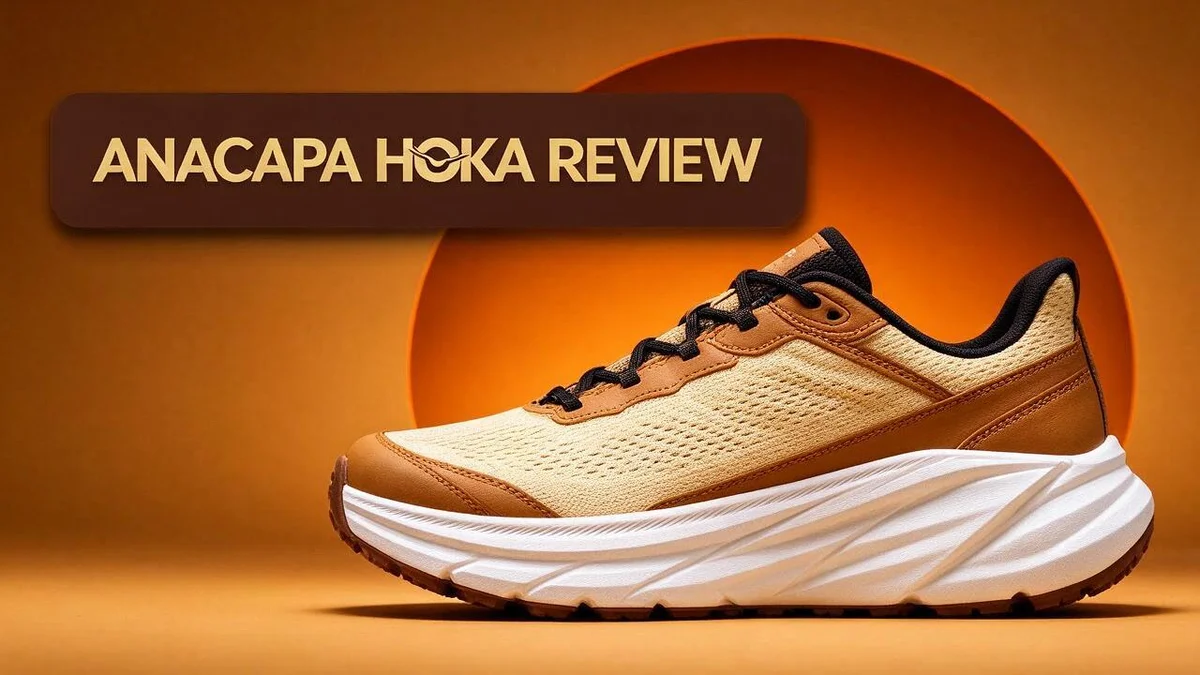
Anacapa HOKA Review: Is It Worth Your Money?
Are you looking for a trail shoe that feels soft and keeps your feet dry? The HOKA Anacapa might be the companion you need. Many hikers choose it for its plush cushioning and steady grip.
Rocky paths and steep climbs feel easier with the right footwear. This guide explores the Anacapa line from top to bottom. You will learn about its key features, real pros and cons, and how it compares to other trail shoes.
Wet weather can ruin a long hike fast. The waterproof lining helps keep moisture out, so your feet stay comfortable mile after mile. Comfort and protection matter most on long days outside.
Some hikers report durability concerns and a snug fit for wider feet. Others say the extra weight slows them on technical trails. We cover both sides so you can decide with confidence.
In a Nutshell
-
Plush comfort for long days: Many hikers praise the thick, soft cushioning. The padding feels gentle underfoot, so miles pass with less fatigue.
-
Confident grip on tough terrain: The outsole holds firm on loose rocks and steep climbs. This traction helps you feel secure when the trail gets steep and uneven.
-
Extra weight on technical trails: The shoe weighs more than many lightweight options. That added heft can make quick footwork feel slower on twisty, technical paths.
-
Recycled face fabric: The Anacapa 2 Low GTX uses a face fabric made from 71% recycled polyester. This choice appeals to hikers who care about reducing waste.
-
Compare before you commit: Merrell and Salomon offer trail shoes that many buyers consider close rivals. Salomon often earns praise for longevity in tough conditions.
-
Related HOKA options: The Challenger skips waterproofing, while the Breeze Low offers a versatile alternative within the same family. Each option suits a different hiking style, so compare features carefully.
Upper Materials and Waterproofing

Last update on 2026-11-03 / Affiliate links / Images from Amazon Product Advertising API
Every part of the Anacapa upper has a clear job. Hikers get a mix of materials that work together on wet and rocky trails.
The mesh and embossed leather upper forms the main shell. The mesh lets air move across the front panels. The leather adds structure and shields the sides from scrapes. Airflow also helps on long, steady climbs.
An inner gusset wraps around the ankle and tongue area. It keeps dust, grit, and small stones from slipping inside. A synthetic toe bumper adds a layer of defense against sharp rock edges.
The waterproof liner does the heavy lifting when storms roll in. It blocks rain and splashes from stream crossings. This layer matters most on soggy days.
The Anacapa 2 Low GTX takes a bootie style approach. The Invisible Fit design aims for a close, sock like feel around the foot. This helps reduce gaps where water and debris can sneak in.
Water repellency on the outer fabric uses a finish without PFC chemicals. Shoppers who care about chemical use may appreciate this choice. Water beads up and rolls off the surface before it can soak in.
Waterproof uppers do trap heat, though. On hot summer trails, feet can feel warm and damp from sweat. Thin, moisture wicking socks help balance the temperature during a long day.
Choose this build for rainy regions, snowmelt crossings, or cool shoulder seasons. Dry, hot trails may suit a more breathable option better.
Try the shoe with your usual hiking socks before a long outing. Walk on a slope to check heel lock and toe room.
Cushioning and Comfort
Comfort starts under your feet. The Anacapa midsole sits beneath the heel and forefoot. It absorbs shock when you step on hard trail surfaces.
Cushion does more than feel nice. It can reduce fatigue in your legs after hours of walking. Many hikers notice less strain in their calves and knees by the end of the day.
The shape of the sole also matters. The sole rolls forward from heel to toe, so each step feels smoother. This rolling motion can make climbs feel a little easier on your push-off.
Thick padding can feel soft underfoot. Some hikers, however, want more feedback from the ground. Roots and small rocks may feel less direct than they do in a firmer shoe.
Break-in time matters. Stiff uppers and a fresh footbed can cause hot spots during the first few outings. Short walks on flat ground help the shoe settle into your stride.
Pressure points deserve attention. Check the heel counter, the top of the foot, and the toe box. Adjust your laces to lock your heel in place without squeezing your forefoot.
Feet often swell during long hikes or warm afternoons. Try the shoes later in the day for a true fit. This simple habit prevents surprises on the trail.
Insoles can change the feel. Many people swap the included footbed for a supportive insole. This tweak can add arch support or firm up a soft platform.
The bottom line is simple. The cushioning suits long walks on uneven ground. It may feel less responsive for fast or highly technical running. Test the fit in person before you head out.
Traction on Rocks and Steep Inclines
Good traction can make or break a steep hike. When the trail climbs over loose rock, every step needs a firm bite. The Anacapa helps you stay steady in those tough spots.
Downhill sections often test grip more than uphill climbs. Your foot pushes forward as gravity pulls you down. A shoe that holds its ground lets you brake with control.
Wet granite can feel slick, even to experienced hikers. Dry rock gives the outsole plenty to work with. Rain changes the game, so slow down and read each surface.
A secure heel matters on steep climbs too. If your heel slides, you lose power with every push upward. Lacing the shoe firmly helps keep your foot in place.
Boulder scrambles ask for a different kind of control. You may step onto ledges or press your foot against a rock face. Balance becomes your best friend in these moments.
Trekking poles pair well with this shoe. Poles share the load on long climbs and sharp descents. Use both poles for balance on steep sections. Your feet then focus on gripping the trail beneath you.
Try a short test before a big trip. Walk a local hill with loose dirt or gravel. Pay attention to how the sole bites on each step.
Pace also shapes your traction on technical ground. Short, deliberate steps give the outsole time to grip. Rushing over rocks invites slips, no matter the shoe. Count your steps on tricky ground.
Good footwork still matters most. The shoe supports you, but your choices count too. Look ahead, pick stable stones, and keep your weight centered over your feet.
This traction suits hikers who spend most of their time on rocky, steep routes. It may feel less suited to muddy races or fast running on slick surfaces. Pick it for trails where stability matters more than speed.
Top 3 Alternatives
Looking for a great hiking shoe? These three picks offer solid comfort, strong grip, and good support. Each one fits a different style of hiker. Read on to find the right pair for your next trail adventure.
Merrell Moab 3

- Pigskin leather and mesh upper 100% recycled laces and webbing Bellows tongue keeps out debris Protective toe cap...
- Merrell is focused on merging performance, styling, and comfort to empower all people to confidently explore the...
Last update on 2026-11-03 / Affiliate links / Images from Amazon Product Advertising API
The Merrell Moab 3 is a favorite for day hikes and long trail walks. It feels soft from the very first step.
The breathable mesh upper keeps feet cool on warm days. The outsole grips well on dirt, rock, and wet roots.
Many beginners choose this model because it breaks in quickly. It also works well for casual walks around town.
Salomon X Ultra 4

- Hiking Shoes: Power through uphills and descents with the updated X Ultra 4; It has the agility of a trail running shoe...
- All Terrain Grip: Equipped with a new chassis, this hiking shoe is better at protecting sensitive articulations without...
Last update on 2026-11-03 / Affiliate links / Images from Amazon Product Advertising API
The Salomon X Ultra 4 suits hikers who want extra stability on uneven ground. Its snug fit keeps the heel steady on steep downhill sections.
The deep lugs bite into loose gravel and mud. Many people use this shoe for rough terrain and light backpacking trips.
Hikers with weak ankles often feel more secure in it.
Keen Targhee III

- CONSCIOUSLY CREATED & MATERIALS: KEEN sources hides from Leather Working Group certified tanneries; Premium oiled...
- COMFORT: Padded tongue and collar; Removable footbed provides excellent arch support and cradles to the natural contours...

Last update on 2026-11-03 / Affiliate links / Images from Amazon Product Advertising API
The Keen Targhee III gives comfort for all-day walking. Its wide toe box lets toes spread out naturally.
A supportive midsole helps tired feet on long days. The protective toe cap guards toes from rocks and roots.
This model works well for hikers with wider feet. It also handles mixed trails with ease.
Fit and Sizing
Finding the right size starts with your foot, not the box. Measure both feet at the end of the day. Feet often grow larger after hours on the trail.
Width is where many people run into trouble. Reports say the Anacapa can feel snug for wider feet. If your feet spread wide, try a wider option or compare other models.
Check the toe box first. Press your heel firmly into the back of the shoe. Your toes should have a little room to move. Your big toe should not touch the front when you walk downhill.
Heel lock deserves a close look too. Your heel should stay put when you rise onto your toes. Heel slip can cause blisters on long descents.
The collar sits close around the ankle, so the fit can feel firmer than many trail shoes. Lace the midfoot snugly. Leave the laces near the toes a little looser for extra space.
Weight also changes how the fit feels over time. The listed weight can vary by version. Heavier shoes may feel more tiring on long days.
Walk around the store for several minutes. Go up and down a ramp or stairs if possible. Pay attention to any rubbing or pinching.
Half sizes can make a real difference here. If you sit between sizes, try both. Compare how each one feels at the heel and midfoot.
Sizing charts offer a starting point only. Your own test matters most. If the fit feels off after a short walk, it will likely feel worse on a hike.
Many retailers offer return options that let you test fit at home. Wear the shoes indoors on carpet for a short time first. Then check how they feel on stairs.
A good fit feels secure, roomy in the toes, and steady at the heel. Take your time with this choice. Your feet will thank you on the trail.
Durability and Weight
Durability is a common question for the Anacapa. Some owners report wear after just a few months. Heavy use on rough trails seems to speed things up.
Mesh panels need the most care. They can fray when they brush against sharp rock. Check them after each hike for small tears.
The embossed leather handles scrapes better. A quick wipe after muddy outings keeps the surface looking fresh. Dry the shoes away from direct heat.
The rubber outsole also takes a beating. Look closely at the heel and forefoot lugs. Flat or smooth spots mean grip is fading.
Rotate your shoes when possible. Giving one pair a rest between hikes lets the foam recover. Fresh cushioning lasts longer overall.
Weight becomes more noticeable on long days. Each extra ounce adds effort with every step. Your legs may tire sooner on a full day.
The extra weight can also slow quick direction changes. That matters on technical trails with loose stones. Lighter shoes often feel more responsive in these spots.
Competitors take different approaches. Salomon earns praise for longevity in tough conditions. Merrell also gets respect for its sturdy build.
Water exposure adds stress over time. Repeated soaking and drying can stiffen materials. Let the shoes air dry naturally after each trip.
Store them in a cool, dry place. Loosen the laces after every outing so the upper keeps its shape. Small habits add real months to the life of the shoe.
Inspect the stitching around the collar too. Loose threads can grow into bigger tears over time.
Choose the shoe based on your typical terrain. Daily hikes on soft dirt wear the shoe differently than scrambles on sharp granite.
Track your total mileage, too. Many hikers replace trail shoes after a set distance. Swap them out before blisters or joint pain start.
Keep a simple log of wear signs. Patterns show up faster when you write them down. Good care helps the shoe perform its best for many seasons.
Pros and Cons
Pros
- Plush cushioning softens each step on rough ground.
- Feet stay dry during rainy hikes.
- The recycled face fabric lowers the environmental footprint.
- The Anacapa handles mixed trail and wet conditions well.
Cons
- Waterproof linings can trap heat on warm days.
- Leather and mesh need regular cleaning to keep their look.
- Hikers who want a lighter option for hot weather may prefer the HOKA Anacapa Breeze Low.
Who Should Buy It
The Anacapa suits hikers who face wet and changing weather. If your trails turn muddy after rain or stay damp through spring, this shoe keeps you comfortable. It works well on mixed ground.
Day hikers who want one shoe for many trips will like it most. You can wear it on a short forest loop and a rocky ridge walk. It handles both without much fuss.
Hikers who value grip on loose rock and steep slopes gain the most. The outsole bites into wet stone and dirt. This helps when you climb a gravel incline with confidence.
Cool and wet seasons suit this shoe best. The waterproof lining keeps out puddles and cold stream crossings. Warm and humid summer hikes call for something lighter.
Hikers who carry heavier packs on all day treks may appreciate the stable feel underfoot. The firm base helps your feet stay balanced under load.
Fast and light hikers should look elsewhere. Trail runners who chase speed on technical paths may find the shoe heavy. Ultralight backpackers chasing the lowest pack weight will want a different model.
Casual walkers who stick to smooth park paths may find the shoe more than they need. A lighter trail shoe with less protection can feel more natural on easy ground.
Wet regions like the Pacific Northwest or Scotland keep trails soggy for months. A waterproof shoe saves you from constant wet socks.
Anyone who plans a mix of rocky and muddy routes will find flexibility here. Still, test the fit on a sloped surface in the store. That step reveals how the shoe handles real movement.
Your typical terrain and climate decide the best fit. Think about where you hike most often before you commit. Match the shoe to those conditions for the best result.
Choose a size that feels secure before any long hike. A good match turns a good shoe into a great partner on the trail.
Final Verdict
The short answer is yes for the right hiker. The Anacapa brings together comfort, grip, and weather protection in one shoe. Few models in this style balance all three so well.
Think of this shoe as a dependable all rounder. It does not chase speed or ultra low weight. Instead, it focuses on keeping you comfortable over mixed terrain from start to finish.
Its real strength shows up when conditions change. A sudden shower or a muddy creek crossing does not spoil the outing. Your feet stay protected while your footing stays secure.
Still, no shoe fits every trail. The Anacapa asks for a few trade offs. You accept a heavier build, and the shape may feel tight if your feet run wide.
Consider your typical hikes before you commit. Ask yourself how often you face wet rock, steep grades, or cool damp days. If those conditions sound familiar, this shoe deserves a close look.
Think about your pack weight, too. Heavier loads often feel more stable in this design. Lighter loads may feel like extra effort, so match the shoe to your usual gear.
Fit remains the final checkpoint. Your feet know best whether the toe box and width feel right. Trust that feeling more than any spec sheet or online rating.
Overall, the Anacapa delivers a steady blend of comfort, traction, and protection. It rewards hikers who plan around their terrain and weather. Shoppers who value a versatile, cushioned ride will likely feel pleased with their choice.
Pick the shoe that matches your trails, your climate, and your stride. The Anacapa works best when you ask the right questions before you lace up and head out.
Frequently Asked Questions
Is the Anacapa a good choice for wide feet?
Many hikers with wide feet find the fit snug. Try the shoe on later in the day when your feet are slightly swollen. Check the toe box and width before you decide. Your comfort matters more than any brand name.
How long does the Anacapa last on the trail?
Some owners report wear after just a few months. Forum users often mention fast wear on rough terrain. Heavy use and frequent wet hikes may shorten its life. Rotating your shoes between trips can help spread out the wear.
Is the Anacapa too heavy for technical hiking?
The listed weight is 14.70 oz, though this figure may vary by version. Extra weight can slow quick footwork on steep, technical paths. Hikers who prioritize agility should test the shoe on a short, challenging course first.
How does the Anacapa compare with Merrell and Salomon?
Merrell and Salomon both earn praise for durability and fit. Salomon stands out for longevity in tough conditions. Compare these options side by side before you decide.
Can the Anacapa handle a full day of hiking?
Yes, for many hikers it can. Comfort shines on long walks, but a snug fit may cause pressure over time. Wear the shoes on a longer test walk with your usual socks.

Lipi is the founder and lead reviewer behind Fashion Reviewed. With a keen eye for quality, style, and value, she brings years of experience in fashion analysis and trend spotting to every review. Her passion for helping others discover amazing fashion finds drives the honest, detailed content you’ll find on this blog.