Crocs Bistro Review: Should You Buy This?
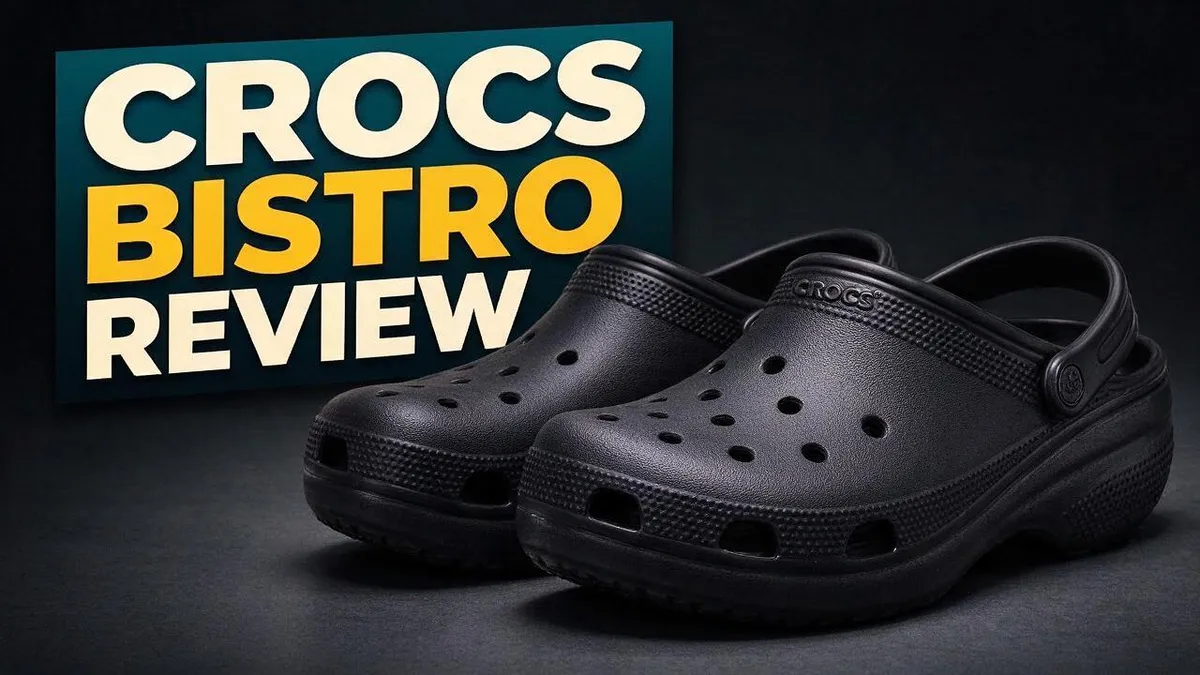
Are you on your feet all day? Then you know how much a good shoe matters. The Crocs Bistro work clog aims to make long shifts easier for food service, hospitality, and healthcare workers.
Many people reach for this clog because it feels light and cushioned. It is fully molded and washable, so spills and grease wipe off with soap and water. Plus, the Crocs Lock tread helps you keep your footing on wet floors.
But does it really live up to the hype? Some buyers say the fit runs snug, and a few mention the footbed wearing down sooner than expected. Others share sore feet or back pain after long use.
This honest review covers the key features, pros, and cons. Let us see if it deserves a spot in your closet.
In a Nutshell
-
Best for: Workers who stand through long shifts in kitchens, hotels, or clinics. The design fits food service and healthcare roles well, so it suits busy teams on their feet.
-
Easy cleanup: The fully molded build rinses clean with soap and water. You can wipe off spills after a messy shift, which keeps the shoe fresh for daily use.
-
Safer footing: The Crocs Lock tread helps you stay steady when floors get wet. This matters most in kitchens where spills happen often.
-
Extra toe defense: The enclosed toe and thicker metatarsal area guard against dropped pans and heavy items. Many workers value this extra shield during fast paced service.
-
Sizing matters: Some buyers say the clog starts small, so check size charts closely before you order. Measure your feet at the end of the day for a more accurate fit.
-
Other options: Shoppers often compare it with the Crocs On The Clock Clog, Chacos Chillos Clog, and Merrell Hydro. Each choice offers a different feel, so test a few styles before you decide.
Build and Materials

- Runs small. Size up if between sizes.
- Crocs Lock slip-resistant tread
Last update on 2026-10-08 / Affiliate links / Images from Amazon Product Advertising API
Materials shape how this clog feels after a long shift, so the build deserves a closer look. Crocs uses one molded body rather than stitched pieces. That means fewer seams for the shoe to pull apart over time.
The shoe also feels light on the feet. Many workers notice the difference after hours of walking between prep stations and dining rooms. Less weight can also ease tired legs near the end of a shift, although results differ from person to person.
The footbed adds most of the cushion. Many buyers say it feels soft right away, which helps during standing shifts. Comfort at the start matters, but how the footbed holds up matters even more.
The footbed may not last long. Some owners report that the regular footbed wears out after about two months. Others say the worn area starts to cause foot pain once the cushioning flattens.
Checking the footbed often can help you catch wear early. Look for flattened spots or uneven compression. Act before pain starts, and plan for a replacement if the cushion feels weaker than it did on day one.
The LiteRide version has orange insoles, which sets it apart from the standard build. Comparing both versions can help you choose the footbed that fits your daily routine and your floor type.
Color choices also matter for work. The shoe comes in several colors, which can help you match a uniform policy in a busy kitchen or clinic.
Back comfort depends on more than materials. One user reported back problems after prolonged use. New wearers should break in the clog gradually, starting with shorter shifts before working full days.
Think about how many hours you stand each day. A cushioned build suits long shifts well, but it may not feel right for every body or every work routine. Wear it for a few shifts before you commit to a long schedule.
Overall, the materials offer a light feel and a soft starting cushion. The footbed needs regular attention over time. Watching wear and comfort closely will show you whether this build fits your work life.
Slip Resistance and Traction
Floors in kitchens and hospitals can turn slick fast. That makes traction a key concern for anyone on their feet.
Grip depends on more than the tread alone. Surface type, floor moisture, and your walking style all shape how the shoe holds.
Think about where you work. A dry dining room floor asks less from your shoes than a greasy prep line. Your daily route matters too. Test the shoe on the surfaces you face most.
Grease and oil are the biggest challenge in many kitchens. Wipe the outsole after each shift to clear residue. A clean tread holds its bite longer.
Dirt can also fill the grooves. Scrub the tread with a soft brush and warm soapy water. Dry the clog fully before wearing it again.
Watch for outsole wear too. A worn tread loses grip faster than a fresh one. Check the bottom every few weeks and look for smooth patches near the ball of the foot. Replace the shoes when the grip fades.
Your walking habits matter. Short, flat steps keep you steady on slippery tile. Long strides or quick turns can cause a slip, even with good traction.
Take slow steps when you carry hot liquids or heavy trays. Keep your weight centered over your feet. This habit protects you as much as the shoe does.
Entryways need extra care. Rain tracked in from outside can leave a thin film on the floor. Wipe your feet on a mat and pause before you step onto the tile.
Steep ramps and loading areas need extra caution too. Slow down on inclines and keep your steps short. Use handrails when they are available. Confident footing starts with careful movement.
Overall, traction works best when you pair good shoes with smart habits. Clean the tread, check for wear, and move with care. Your feet will thank you at the end of a long shift.
Fit and Sizing
Getting the right fit matters more than most people expect. A clog that feels fine in the store can cause sore feet after eight hours on the job. Try shoes on at the end of the day, when your feet tend to swell a little.
Wear the same socks you plan to use at work. Thick work socks change how much room you have in the toe box. Testing with your usual pair helps you avoid rubbing and pressure points later.
Heel hold is another key check. Walk around the store and watch for lifting at the back of the shoe. A little heel movement can lead to blisters over a long shift.
Stand with your weight on your heels and see if your toes touch the front. Your toes need enough space so they do not press against the material when you bend your knees. Good toe room keeps you comfortable while you lift and reach.
If your feet feel wide or your arches are high, the snug build may feel tight across the middle. Try on both feet, because one foot is often a little larger than the other.
Half sizes can help when you fall between two sizes. Ask a store associate whether they carry them so you can compare how each size feels.
Expect a short adjustment period. Wear the clogs around the house for a few days before a full shift. This gives your feet time to settle and shows you any hot spots early.
Keep notes on how your feet feel after each shift. If soreness does not fade, consider a different size or a different style. Your comfort should guide the final choice.
Top 3 Alternatives
Dansko Professional Clog

- An original Dansko style that provides extra shock absorption comparable to athletic shoes
Last update on 2026-11-03 / Affiliate links / Images from Amazon Product Advertising API
The Dansko Professional Clog is a top pick for people who stand all day. Its firm footbed gives steady support to the arch and heel. Many nurses, chefs, and teachers choose it for long shifts.
The upper is made from smooth leather that wipes clean fast. The deep heel cup holds your foot in place, so it does not slide around.
Best for: long shifts on hard floors and anyone who needs firm arch support.
Birkenstock Boston Clog

- Understanding Widths: Narrow accommodates Narrow to Regular widths. Regular accommodates Regular to Wide Widths.
- The most sought-after clogs, the Birkenstock Boston Clog Soft Footbed - Suede lend a fashion-forward edge to any style...
Last update on 2026-11-03 / Affiliate links / Images from Amazon Product Advertising API
The Birkenstock Boston Clog offers a softer feel from the first wear. Its cork footbed molds to your foot over time. This shape helps spread your weight evenly.
The closed back and wide strap keep the shoe secure. You can wear it at the office or on weekend errands. The leather and suede options also look polished enough for casual work spaces.
Best for: people who want a cushioned fit that feels better with every wear.
Klogs Mackinaw Clog

Last update on 2026-11-03 / Affiliate links / Images from Amazon Product Advertising API
The Klogs Mackinaw Clog is built for comfort in wet or greasy spaces. Its sole offers slip resistant grip on slick surfaces. The roomy toe box gives your toes plenty of space.
The removable footbed lets you swap in your own insole. You can also air out the shoe easily after a sweaty shift. Many people like the classic clog look paired with a sturdy build.
Best for: workers in kitchens, labs, or clinics who need grip and easy cleaning.
Comfort and Footbed Support
Good comfort starts with the arch. The Crocs Bistro has a shaped footbed that gently lifts the arch. This shape helps spread your weight across the whole foot. Many workers stand longer without that heavy ache in their feet.
The ball of the foot needs room too. Long shifts often cause pressure near the front of the foot. Stand on the store floor for a few minutes and notice any hot spots. A sharp spot may mean the shoe does not suit you.
Arch and knee comfort work together. When the arch feels supported, your legs carry less strain. Less strain can mean fewer aches in the knees and hips by the end of a shift.
Rotating pairs helps the cushion recover. Molded materials can feel firmer after a full day under pressure. Owning a second pair lets the first pair rest and regain its shape.
Floor type changes how the footbed feels. Concrete sends more impact up through your legs than softer mats do. Ask your manager about anti-fatigue mats at your station when possible.
Socks play a bigger role than you think. Thin cotton socks can trap sweat during long hours. Breathable socks keep feet drier and help the foot stay calm inside the shoe.
Insoles can add extra padding. Some workers place a thin cushioned insole inside the clog for more comfort. Make sure the insole does not crowd the toes or lift the heel out of place. Try it on a short shift before wearing it for a full week.
Listen to your feet after each shift. Mild tiredness is normal after a busy day. Sharp pain, numbness, or swelling that lasts overnight deserves a visit to a doctor or podiatrist.
Small stretches can ease tired feet. Roll a water bottle or tennis ball under the arch during breaks. Gentle calf stretches also loosen tight muscles from standing. Simple habits like these can make the next shift feel easier.
Durability and Care
Good care helps these clogs last longer. The fully molded body resists tears better than stitched shoes. Still, the footbed often shows wear first.
Many workers notice the footbed loses its bounce after about two months of heavy use. When that happens, the shoe may still look fine on the outside. Your feet often feel the change before you see it.
Wash them often with mild soap and warm water. Scrub the holes and the edges where grime hides. A soft brush works well for this job. Avoid harsh cleaners that can dull the color over time.
Drying matters just as much as washing. Let them air dry away from direct heat. A dryer, oven, or sunny windowsill can warp the material. Warped clogs lose their shape and comfort.
Give them a full day to dry completely. Trapped water can cause odor and bacteria to grow. If your pair has removable parts, take them out and let everything breathe. Keep a second pair ready for days when the first one needs a break.
Storage also affects how long they last. Place them on a shelf or in a cool closet. Heavy items stacked on top can crease the upper over time. Keep them out of a hot car trunk, too.
Watch for signs that it is time to replace them. Look for cracks in the body, a flat or crumbling footbed, or new aches in your heels or arches. These signs show the shoe no longer supports you well. Replacing them early can help protect your feet and legs.
Healthcare workers should also check their site rules. Some facilities require specific disinfectants for work shoes. Read your workplace policy before you use a new cleaner on your clogs.
Simple habits make the biggest difference. Clean them weekly, dry them fully, and store them with care. With these steps, your clogs will likely serve you for many shifts to come.
Pros and Cons
Pros
- Comfortable for long shifts thanks to the cushioned build.
- The Crocs Lock tread gives good grip on wet floors.
- Made for food service, hospitality, and healthcare work.
- The fully molded body is lightweight and easy to wear all day.
- Enclosed toes add extra protection for busy kitchens.
Cons
- Some reviewers say the fit runs too small and can hurt.
- The regular footbed can wear down faster than expected.
- One user reported back problems after prolonged use.
Who Should Buy It
Crocs Bistro suits people who stand on their feet all day. Line cooks, servers, and bartenders often move between the grill, the bar, and the dining room. A lightweight clog keeps that pace feeling easier.
Hospitality staff can benefit too. Hotel front desk teams and banquet crews spend hours on hard floors. A shoe that slides on quickly saves time during busy shifts.
Home cooks who spend long weekends in the kitchen may also enjoy them. Hosting dinners or prepping for family events can mean hours on your feet.
Measure your feet before you order. Some reviewers say the sizing runs small. People with wide feet should compare their foot length with the brand size chart.
If your feet fall between sizes, going up a half size may help. A little extra room can make a snug fit feel more comfortable.
People with existing foot or back pain should speak with a doctor first. One user reported back problems after long use. A podiatrist can recommend the right support for your needs.
Desk workers and people who rarely stand may not need this style. Office roles usually involve less standing and walking. A casual walking shoe could feel better on those days.
Shoppers who want a shoe for more than work may compare other options. Competitors such as the Chacos Chillos Clog and the OOFOS OOCANDOO Sandal offer different styles. Comparing them side by side helps you choose the right fit.
Crocs Bistro fits active food service and hospitality workers best. Think about your daily tasks, foot shape, and comfort needs before you decide.
Final Verdict
Should you buy the Crocs Bistro? For most kitchen and floor staff, the answer is yes. It fits a clear job and does that job well.
This clog suits a specific crowd. It works best for people who need closed shoes with a sturdy build. Closed toes matter when hot pans, dropped silverware, or heavy carts come near the feet.
Think of it as a work tool, not a fashion statement. The thicker area across the middle of the foot adds support during heavy lifting. That detail often gets overlooked in simple shoe reviews.
Think about your shift length first. People who stand for eight hours or more feel the difference most. Short shifts may not need this level of toe protection.
Shoppers who want a dressy look will likely look elsewhere. Crocs styles stay casual by design, so offices and formal events may call for something else.
Competitor check matters too. The Crocs On The Clock Clog is the closest sibling, so compare those two first. Chacos, OOFOS, Hoka, and Merrell offer sandal style options that may suit people who want more airflow or a different strap setup.
Final tip: try them on late in the day. Feet swell during long shifts, so an afternoon fitting gives a truer read on comfort.
Wear the socks you plan to wear at work. Walk around the store for a few minutes before you decide.
Bottom line: the Crocs Bistro earns a place in the kitchen for staff who stand all shift. Pick it if you want closed toes, reliable grip, and a simple daily shoe you can rely on.
Your feet carry you through every shift. Pick the shoe that fits your job, not just the one that looks good online.
In short, the Crocs Bistro does its job with few surprises. It keeps the focus on your work, not your shoes.
Frequently Asked Questions
Can you wash Crocs Bistro clogs at home?
Yes, you can. The fully molded body cleans easily with soap and water. Wipe off grease and spills after each shift. Let them air dry fully before you wear them again. This habit keeps the clogs fresh and comfortable for longer.
What colors do Crocs Bistro clogs come in?
They come in multiple color options. Pick a shade that matches your uniform policy or personal style. The LiteRide version adds orange insoles for a bright pop of color. Check the color chart on the product page before you choose.
Which clogs compete with the Crocs Bistro?
Shoppers often compare a few popular picks. Consider the Crocs On The Clock Clog, the Chacos Chillos Clog, the OOFOS OOCANDOO Sandal, the Hoka Hopara Sandal, or the Merrell Hydro. Each option offers a different feel and fit. Try a few on if you can.
What should you do if the footbed wears out?
Some owners say the regular footbed wears out after about two months. Check the insoles every few weeks. If you notice flattening or pain, stop and inspect the pair. Replacement insoles are another option to explore if you want more time in your clogs.

Lipi is the founder and lead reviewer behind Fashion Reviewed. With a keen eye for quality, style, and value, she brings years of experience in fashion analysis and trend spotting to every review. Her passion for helping others discover amazing fashion finds drives the honest, detailed content you’ll find on this blog.