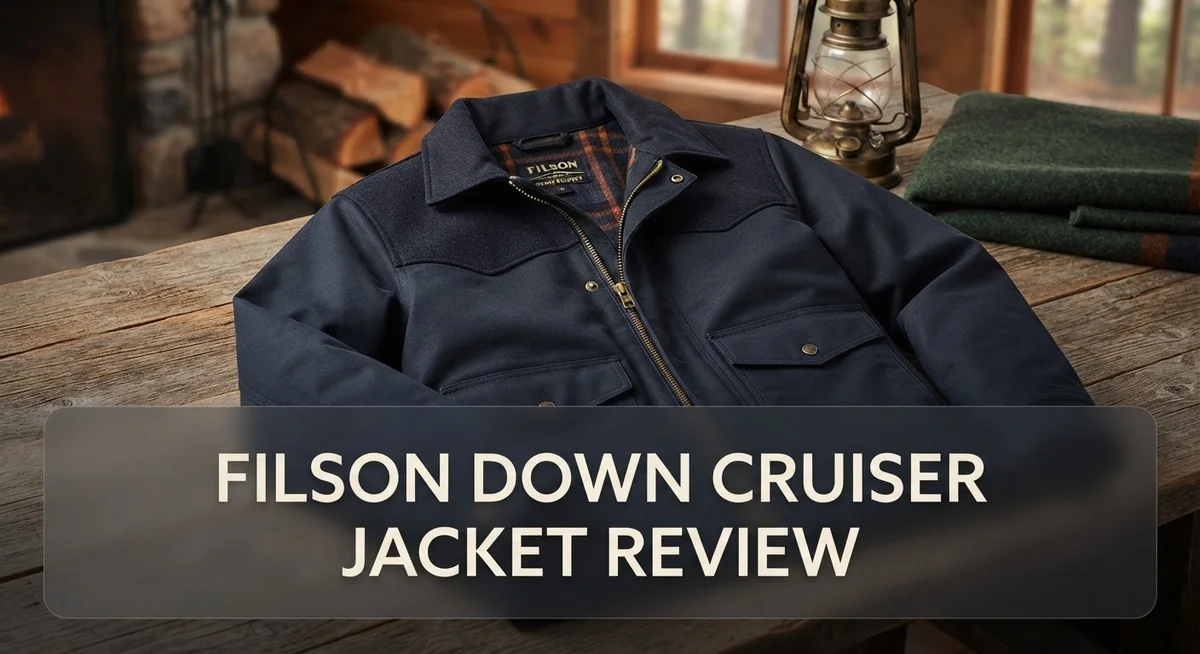
Filson Down Cruiser Jacket Review: Should You Buy This?
Winter calls for a jacket that works as hard as you do. The Filson Down Cruiser Jacket promises warmth, durability, and classic style all in one package.
But does it really deliver? That’s what we’re here to find out.
This jacket blends an oiled canvas shell with down insulation. The result is a tough outer layer that blocks wind and sheds snow with ease.
A wool collar and wool lined pockets add a nice touch. They bring extra comfort and a rugged, outdoorsy feel.
Is it the right pick for your lifestyle? We compare it to other Filson classics like the Tin Cloth Cruiser and Mackinaw Wool Cruiser.
By the end, you will know if this jacket fits your needs. Let’s jump into the details and see what makes the Down Cruiser stand out.
In a Nutshell
Here is what you need to know about the Filson Down Cruiser Jacket, fast.
- Wind resistance is this jacket’s strongest trait. It blocks cold air better than most down jackets on the market.
- Snow slides right off the surface. This makes it a smart pick for dry, cold climates.
- Moisture is its weak point. The down insulation soaks up rain, which cuts its warmth fast.
- This jacket works best for low to moderate activity. Think walking, hunting, or outdoor chores, not intense workouts.
- Build quality stands out. The wool collar and wool lined pockets add comfort and lasting durability.
- It suits people who face dry winters more than wet ones. If you live somewhere rainy, you may want a different shell.
- Compared to the Tin Cloth Cruiser, this jacket trades some durability for extra warmth.
- Overall, it rewards users who need serious cold protection without constant rain exposure.
Material and Fabric Quality
The outer shell uses an oiled canvas and cotton blend that feels supple like suede. This material excels at blocking wind and shedding snow without adding bulk to your shoulders.
The down insulation provides genuine warmth for cold, dry conditions. It traps air effectively and keeps you comfortable during fall and winter months. The fill responds well to compression, so you can layer it under other gear when needed.
Wool details matter here. The collar sits soft against your neck and resists scratching. Wool lined pockets keep your hands warm and add an authentic touch that signals quality construction. These small features separate premium jackets from basic options.
The fabric does absorb moisture when exposed to heavy rain or wet snow. Once down gets wet, it loses insulating power and takes time to dry. This is the jacket’s main limitation. You’ll want a rain shell nearby if you expect prolonged moisture.
The oiled canvas develops character over time. Scuffs and marks tell the story of actual use rather than detracting from appearance. Some owners appreciate this patina effect. Others prefer jackets that look pristine longer.
Durability speaks through the construction. Stitching appears solid and seams hold up under normal wear. The canvas resists tearing from branches and rough surfaces better than synthetic alternatives. This jacket ages gracefully rather than falling apart after one season.
Compared to the Tin Cloth Cruiser, this Down version prioritizes warmth over ruggedness. The Tin Cloth uses heavier canvas and sacrifices some insulation for maximum durability. Your choice depends on whether you value comfort or longevity more.
The fabric weight feels substantial without being restrictive. You can move your arms freely and the jacket doesn’t bunch up at the sides. The classic cruiser cut maintains its shape through multiple wearings.
Overall, the material combination works best for people who face consistent cold and occasional light snow. If your winters stay dry, this jacket rewards you with reliable performance. The blend of canvas, down, and wool creates a jacket built to last years of regular use.

- Built with oil finish Tin Cloth
- Body lined with dry finish Cover Cloth
Last update on 2026-10-08 / Affiliate links / Images from Amazon Product Advertising API
Fit and Sizing
The Filson Down Cruiser Jacket uses a classic cruiser cut that sits between fitted and relaxed. This design works well for layering over sweaters or light base layers without feeling bulky.
Size up if you plan to wear thick thermal layers underneath. The jacket’s oiled canvas shell has minimal stretch, so movement matters when choosing your size. Most users find their standard size works for casual wear with a single mid-layer.
The wool collar sits snug but not tight around your neck. It won’t restrict movement when you turn your head or look down. The collar’s soft texture prevents that scratchy feeling common with cheaper wool blends.
Arm length runs true to size on most bodies. You want the cuff to hit right at your wrist bone, leaving your hand exposed. Sleeves that are too long will bunch up when you bend your arms, which happens often during normal activities.
The jacket’s torso length follows traditional cruiser proportions. It hits around mid-hip, giving you coverage without excess fabric trailing down. Shorter people should check the specific measurements before ordering, as the standard length may feel long on frames under 5’8″.
Shoulder seams align properly on the correct size. Seams should sit right at the edge of your shoulder, not drooping down your arm. This placement keeps the jacket’s silhouette clean and prevents arm movement from feeling restricted.
The wool-lined pockets add warmth but also take up a bit of space inside. Your hands fit comfortably without pushing the lining outward. The pockets sit deep enough to keep items secure during movement.
Width across the chest feels generous without looking oversized. You can comfortably raise your arms to shoulder height without the fabric pulling. The jacket accommodates a range of body types well because of its relaxed fit philosophy.
Waist definition exists but remains subtle. The jacket doesn’t cinch tight at the sides, which suits people who prefer comfort over a tailored appearance. This loose fit also helps with layering flexibility.
Warmth and Insulation Performance
The Filson Down Cruiser Jacket delivers genuine warmth through its down-filled insulation. Down excels at trapping air pockets that keep cold air away from your body. This jacket performs best when temperatures drop and conditions stay dry.
Wind blocking stands as this jacket’s primary strength for warmth retention. The oiled canvas outer shell resists wind penetration effectively. Wind chill loses its bite when you wear this jacket. Snow slides right off the surface, which helps maintain the insulation’s effectiveness underneath.
The down insulation works hard in cold, dry climates. Mountain regions with light snow see excellent performance from this jacket. Your core stays warm even during extended time outdoors. The wool collar adds an extra layer of protection around your neck area.
Moisture presents the main challenge for warmth performance. Down absorbs water readily. Once wet, down loses most of its insulating ability. Heavy rain or wet snow conditions reduce the jacket’s effectiveness significantly. You’ll notice overheating in rainy situations because moisture traps heat against your body.
The jacket suits low to moderate activity levels best. Intense physical exertion in cold weather can cause sweat buildup inside. This sweat dampens the down fill and reduces warmth. If you plan static outdoor activities like watching winter sports or standing outside, this jacket excels. Active pursuits require different gear.
Compared to the Tin Cloth Cruiser variant, this down version prioritizes warmth over durability. The trade off makes sense for people facing dry winters. The Mackinaw Wool Cruiser offers an alternative for wet climates, though with different warmth characteristics.
The jacket’s construction quality supports consistent warmth retention. Solid stitching prevents cold spots at seams. Proper seam sealing keeps drafts out. The wool lining inside pockets adds warmth when you need hand protection too.
This jacket rewards users who need serious cold protection without constant rain exposure. Dry snow regions see maximum performance. Mild winters with frequent thaw cycles present challenges. Your climate type determines whether this jacket meets your warmth needs.
Top 3 Alternatives
Patagonia Down Sweater

- Lightweight, High-Power Insulation for Warmth
- Crafted from Recycled Fishing Nets for Sustainability
Last update on 2026-10-08 / Affiliate links / Images from Amazon Product Advertising API
The Patagonia Down Sweater offers excellent warmth without bulk. This jacket uses 800-fill goose down that traps heat efficiently. You get a lightweight layer that packs small, making it perfect for travel or layering under shells.
The fabric resists water to some degree, though it’s not fully waterproof. The sweater fits snug against your body, so it works well as a mid-layer. Patagonia backs this product with strong ethics around sourcing down responsibly.
The North Face ThermoBall

- Comfortable: Outdoor Ventures puffer jacket with hood features high-tech insulation to insulate cold air and retain...
- Humanized Design: Outdoor Ventures warm winter jacket with hood includes 2 outside zippered pockets and 2 inner pockets...
Last update on 2026-10-13 / Affiliate links / Images from Amazon Product Advertising API
The North Face ThermoBall uses synthetic insulation instead of down. This means it performs well even when wet, which is a major advantage. You stay warm without worrying about moisture damaging the insulation.
The jacket feels slightly bulkier than true down options. However, synthetic insulation dries faster and requires less maintenance. The ThermoBall works great for active pursuits where you might encounter damp conditions.
Arc’teryx Cerium LT

- Responsibly Sourced 850 Fill Down Jacket: Embrace winter with our men's down jacket, featuring premium 850 fill...
- Versatile Winter Gear: This down jacket for men is fit for a multitude of settings and adventures, from hiking and...
Last update on 2026-10-08 / Affiliate links / Images from Amazon Product Advertising API
Arc’teryx builds the Cerium LT for serious outdoor athletes. This jacket combines 750-fill down with a durable outer shell. You get serious warmth in a compact package that doesn’t sacrifice durability.
The Cerium LT costs more than basic down jackets, but the construction quality shows. Arc’teryx focuses on precision engineering in every detail. The fit accommodates layering underneath, making it a smart choice for cold mountain environments.
Each option serves different needs. Pick Patagonia for responsible sourcing and packability. Choose The North Face if wet conditions matter. Select Arc’teryx when you demand premium performance and durability.
Weather Resistance and Water Shedding
The oiled canvas outer shell performs well in light snow and dry conditions. This fabric sheds moisture effectively when you encounter flurries or light dustings. The suede-like texture doesn’t absorb water the way untreated cotton would.
Wind resistance plays a major role in how this jacket handles weather. The canvas blocks air flow impressively, which keeps cold from penetrating the down insulation inside. You’ll feel the difference when standing in gusty conditions compared to lighter jackets.
Heavy rain presents a real limitation here. The down filling absorbs moisture readily, and once wet, it loses its insulating power. This jacket works best for dry cold weather rather than damp climates. If you live somewhere with frequent rain mixed with cold temperatures, this might disappoint you.
The wool collar and wool-lined pockets add some weather resistance through their natural fiber properties. Wool maintains warmth even when slightly damp, unlike down. However, these details can’t compensate for moisture reaching the main insulation layer.
Water shedding works great in specific scenarios. Light snow slides right off the oiled surface. Wet flakes don’t stick and form ice as easily as they would on untreated fabric. You can brush snow away without leaving marks or damage.
The jacket suits mountain environments or dry winter conditions better than wet coastal areas. If your region gets occasional snow with clear, cold days between storms, this jacket excels. The down stays dry and maintains full warmth capacity.
Compared to the Tin Cloth Cruiser variant, this down version sacrifices water resistance for warmth. The trade off makes sense if your priority is staying warm in dry conditions. The Mackinaw Wool Cruiser offers better moisture tolerance through its 100% virgin wool construction.
For active outdoor use in wet conditions, this jacket falls short. Heavy exertion creates body moisture that the down cannot handle. Stick to casual wear or low-activity situations for best results.
Durability and Construction
The Filson Down Cruiser Jacket builds its reputation on solid construction that stands up to regular wear. The outer shell uses an oiled canvas and cotton blend that feels supple like suede but performs like armor against the elements. This material choice matters because it blocks wind effectively while remaining lightweight enough for layering.
The down insulation sits at the heart of this jacket’s durability strategy. Quality down clusters trap air and maintain their loft through years of use. The construction keeps the down evenly distributed across the jacket, preventing clumping that weakens warmth over time. This even distribution extends the jacket’s functional lifespan significantly.
The wool collar and wool-lined pockets represent thoughtful construction details that enhance longevity. Wool naturally resists odors and wear, so these areas stay fresh longer than synthetic alternatives. The pockets maintain their shape and function even after thousands of uses because wool fibers hold their structure well.
Stitching quality throughout the jacket ensures seams stay intact under stress. The cruiser cut design places seams in locations that experience moderate tension rather than extreme pulling, which helps prevent splitting. Reinforced stress points at the shoulders and underarms show attention to durability.
The oiled canvas outer shell actually improves with age and use. Creases develop character rather than weakness. Minor scuffs and marks from regular wear become part of the jacket’s story instead of signs of failure. This aging process means the jacket looks better and functions better as years pass.
One durability consideration involves moisture exposure. The down filling requires protection from extended wetness because saturated down loses its insulating properties. The oiled canvas sheds light moisture, but prolonged rain exposure can compromise the down’s performance. Proper storage in dry conditions between uses keeps the insulation effective long term.
The jacket’s construction reflects traditional outerwear philosophy. Heavy duty materials, simple designs, and quality stitching combine to create a piece meant to last decades. This approach to durability means owners often pass these jackets down rather than replacing them after a few seasons.
Pros and Cons
Pros
- Down insulation delivers genuine warmth in cold, dry climates where it performs best
- Oiled canvas shell blocks wind effectively and sheds light snow with ease
- Wool collar and wool-lined pockets add natural weather resistance and durability
- Classic cruiser cut works year-round for layering and versatile styling
- Stitching quality and construction details ensure this jacket lasts through regular wear
Cons
- Down absorbs moisture readily, so heavy rain and wet conditions strip away its insulating power
- Not ideal for high-activity wear since the jacket can cause overheating during physical exertion
- Best suited for dry winter environments rather than wet coastal areas or unpredictable weather
- Limited warmth performance once the down gets damp compared to its dry-condition capabilities
Who Should Buy It
You’ll love this jacket if you spend winters in dry, cold climates. Mountain hikers and outdoor enthusiasts who face snow and wind will appreciate its excellent insulation and wind blocking. The oiled canvas shell sheds light snow easily, making it perfect for alpine environments.
This jacket suits people who value classic style that works across multiple seasons. The traditional cruiser cut layers well over sweaters and thermal shirts. You can wear it from fall through spring in most conditions. The wool collar and wool-lined pockets add authentic vintage appeal that matches many wardrobes.
Professionals who work outdoors in cool weather will find real value here. Construction workers, ranchers, and outdoor laborers benefit from the durable construction and reliable warmth. The jacket handles regular wear without falling apart. Stitching stays intact under stress, and the oiled canvas actually improves with age.
This is NOT the right choice for everyone. If you live in wet, rainy areas, skip this one. Down absorbs moisture quickly, and once wet, it loses all insulating power. Coastal regions with frequent rain make this jacket struggle. You’ll overheat during active work or intense exercise. The jacket works best for casual wear and light outdoor activity, not high energy situations.
People who prefer low maintenance gear should look elsewhere. Oiled canvas requires occasional care to maintain its water shedding properties. You can’t just throw it in the washing machine. The jacket demands respect and proper storage during off season.
Consider the Filson Down Cruiser if you want durable, stylish outerwear for dry winters. Choose it for occasional outdoor adventures in cold, snow-filled regions. Pick it if you appreciate quality construction and timeless design. Avoid it if you need all weather protection or plan intense physical activity. The jacket shines brightest when you match it to your actual climate and lifestyle needs.
Final Verdict
The Filson Down Cruiser Jacket earns its place as a trusted winter companion for the right person. It blends warmth, style, and durability into one solid package.
This jacket shines brightest for folks who face cold, dry winters often. Ranchers, hunters, and outdoor workers in snowy regions will appreciate its reliable performance.
Think about your daily routine before buying. If you spend most days outside in freezing but dry air, this jacket delivers real comfort and protection.
Compare it against the Filson Tin Cloth Cruiser if durability matters more than warmth to you. The Tin Cloth version trades some insulation for tougher, more rugged wear.
The Filson Mackinaw Wool Cruiser offers another path. Its 100% wool build suits people who want natural fiber warmth without down’s moisture sensitivity.
Still, the Down Cruiser holds its own against both alternatives. Its unique mix of wind resistance and genuine warmth sets it apart from simpler wool or canvas-only designs.
Buyers who like timeless design will find this jacket checks every box. It pairs well with work clothes or casual outfits alike.
This jacket won’t fit everyone’s lifestyle, though. Skip it if your winters bring constant rain or slush instead of dry snow.
High-activity users should also look elsewhere. Sweat and down insulation don’t mix well, and overheating becomes a real issue during intense movement.
For everyone else facing cold, dry conditions, this jacket proves itself again and again. It stands as a smart pick for anyone wanting classic outerwear built to last.
Final thought: choose this jacket if you want warmth, wind protection, and rugged style rolled into one. Just remember its limits in wet weather and skip it if that’s your daily reality.
This jacket rewards the right buyer with years of dependable service. Match it to your climate and lifestyle, and it won’t disappoint.
Frequently Asked Questions
Will this jacket keep me warm in really wet conditions?
No, the down insulation loses its warmth when wet. Rain and heavy moisture cause down to clump and lose loft. If you live near coasts or face frequent rain, this jacket won’t perform well. The oiled canvas shell sheds light snow fine, but it’s not waterproof. Save this jacket for dry winters.
How does the Filson Down Cruiser compare to the Mackinaw Wool version?
The Down Cruiser offers more warmth in cold, dry air. The Mackinaw uses 100% virgin wool instead, which performs better when damp. Wool also requires less fussy care than down. Choose down if dry cold is your climate. Pick wool if moisture is a concern.
Is this jacket good for active outdoor work?
Not really. The insulation can cause overheating during physical work or high activity. If you’re moving around a lot, you’ll get too warm. This jacket works best for standing outside or light walking. People with desk jobs who step outside for breaks find it ideal. Active hikers or workers need something else.
What makes the wool details worth mentioning?
The wool collar and wool-lined pockets add real durability. Wool resists moisture naturally and lasts through years of wear. These details prevent cold air from sneaking in at your neck and hands. The wool also feels premium and ages beautifully. These small touches show Filson’s attention to construction quality.
Can I wear this jacket year-round?
Yes, the classic cruiser cut layers well. In fall and spring, wear it over light layers. In deep winter, add thermal base layers underneath. Summer? Skip it entirely. The versatility comes from smart layering, not the jacket alone.

Lipi is the founder and lead reviewer behind Fashion Reviewed. With a keen eye for quality, style, and value, she brings years of experience in fashion analysis and trend spotting to every review. Her passion for helping others discover amazing fashion finds drives the honest, detailed content you’ll find on this blog.