Nike Flex Experience Run 12 Review: Should You Buy This?
Looking for a light and comfy running shoe? The Nike Flex Experience Run 12 might catch your eye. This shoe promises comfort and flexibility for everyday runs.
Many runners want a shoe that feels natural. They want something light on their feet. This shoe aims to deliver that experience.
The Flex Experience Run 12 has a 6mm heel to toe drop. It also comes with a soft, plush upper. Your feet stay comfortable from the first step.
This shoe offers full flexibility. The outsole has grooves that let your foot move naturally. It feels different from stiff, heavy trainers.
Comfort is the biggest highlight here. Many users rate it highly for daily wear. It fits true to size, so sizing surprises are rare.
But no shoe is perfect. This one has some drawbacks too. We will cover the pros and cons in detail.
Is this shoe right for your running style? Keep reading. We break down everything you need to know before you decide.
In a Nutshell
Here’s the quick scoop on the Nike Flex Experience Run 12.
- Comfort wins big. Most runners call this shoe comfortable or very comfortable. The soft upper feels gentle on your feet from the first step.
- Flexibility stands out. The outsole grooves let your foot move naturally. You get full range of motion with every stride.
- Fit runs true to size. No guessing games here. Order your normal size and you should be set.
- Wide feet get love too. This shoe comes in an extra wide option. Your toes get room to breathe.
- Cushioning stays minimal. This is not a plush, marshmallow ride. It suits short runs better than long distance training.
- Durability raises questions. Some users noticed outsole wear after about two years. Keep this in mind if you run often.
This shoe shines for daily comfort and natural movement. But if you need heavy cushioning or long term durability, you might want to look elsewhere. It really depends on your running goals.
Build and Materials
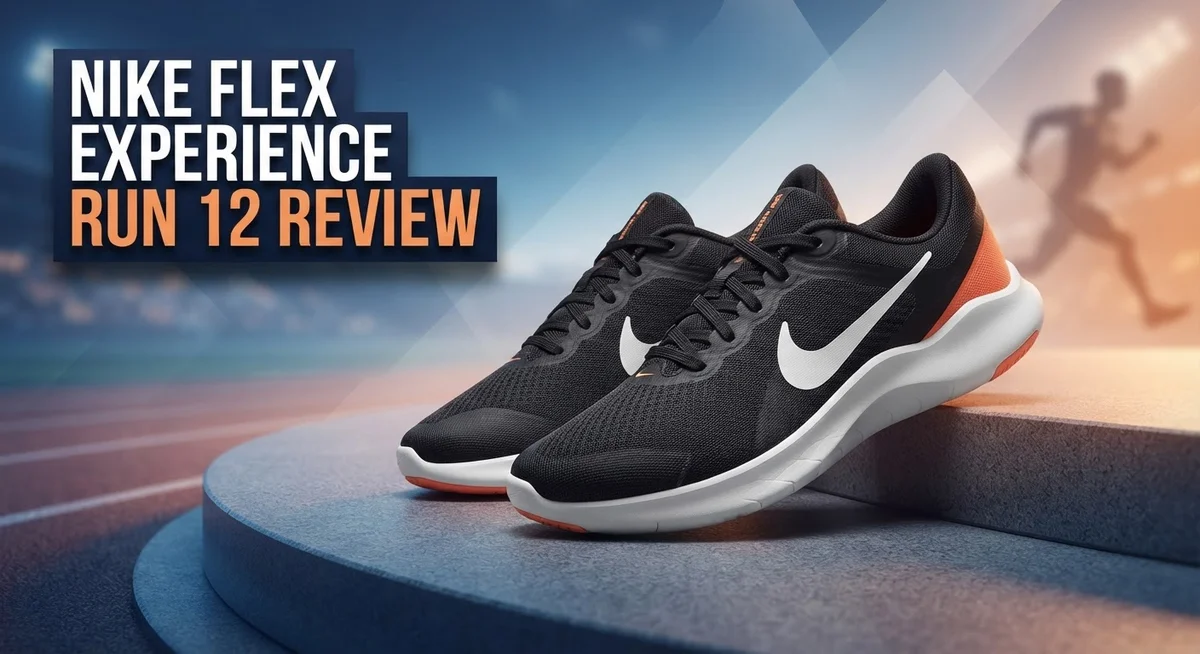
The Nike Flex Experience Run 12 builds on a simple philosophy: keep things light and responsive. The shoe uses a plush, supersoft upper that feels gentle against your foot from the first wear. This material choice means less break in time and immediate comfort out of the box.
The outsole is where this shoe gets interesting. Nike designed it with strategic grooves that create full heel to toe flexibility. Your foot bends naturally with each step. The grooves aren’t just random either. They follow your foot’s natural motion patterns, which is why runners consistently praise the flexible feel.
Weight matters for daily running shoes, and the Flex Experience Run 12 stays minimal. The construction avoids unnecessary bulk without sacrificing protection. You get a shoe that feels almost like a second skin rather than a heavy apparatus strapped to your feet.
The cushioning approach here is honest and straightforward. This shoe delivers minimal, firm cushioning instead of the thick foam found in many modern runners. Some people love this approach because it keeps you connected to the ground. Others find it too firm for longer distances. It depends on what your feet prefer.
The 6mm heel to toe drop sits in the sweet spot for many runners. It’s not a zero drop shoe, so you get a slight forward angle. This natural pitch helps your stride without forcing an extreme forefoot strike pattern.
Nike also included an extra wide fit option, which shows the brand thought about different foot shapes during development. The standard sizing runs true to size, so you won’t need to size up or down.
One important note: the outsole durability concerns mentioned by some users suggest this shoe performs best for regular training rather than heavy mileage abuse. The flexible design prioritizes movement and comfort over maximum durability. Think of it as a shoe built for consistent, moderate use rather than extreme conditions.
The materials work together to create a shoe that feels natural and responsive. That’s the core promise of the Flex Experience Run 12 design.

- The plush, supersoft upper hugs your foot and provides comfort.
- Grooves in the outsole allow for optimal foot flexibility and help you move freely when running the gamut.

Last update on 2026-09-03 / Affiliate links / Images from Amazon Product Advertising API
Comfort and Fit
The Nike Flex Experience Run 12 delivers a soft, responsive feel that makes daily running feel effortless. The plush upper wraps your foot in comfort without adding unnecessary weight to slow you down.
Your foot sits in a shoe that moves with you, not against you. The 6mm heel to toe drop creates a balanced platform that feels natural whether you run on pavement or trails. This moderate drop helps most runners transition smoothly from heel strike to toe push off.
The outsole deserves special attention here. Nike engineered deep grooves into the bottom that let your foot bend and flex throughout each stride. You won’t feel locked into a rigid shoe. Instead, your foot gains the freedom to move the way it naturally wants to move.
Fit accuracy matters, and this shoe gets it right. True to size fit means you order your regular shoe size and it works. No need to go up or down. If you have wider feet, the extra wide option ensures you get the same comfort without cramping or pressure points.
The cushioning philosophy here is straightforward and honest. This shoe uses minimal, firm cushioning rather than thick, plush padding. Some runners love this responsive feel. Others might find it too firm for long distance efforts. Think of it as a shoe that lets you feel the ground while still protecting your feet from impact.
The upper material feels supersoft against your skin. It stretches slightly to accommodate your foot shape without creating hot spots or blisters during wear.
79% of users rated this shoe comfortable or very comfortable, which speaks volumes about the design success. Most runners who choose this shoe understand they’re getting a lightweight, flexible option built for natural movement and daily comfort.
The trade off is simple: you gain flexibility and responsiveness but sacrifice some cushioning depth. For runners seeking a minimalist shoe that still offers protection and support, this balance works beautifully. For ultralong runs requiring maximum cushioning, you might want to explore other options in Nike’s lineup.
Performance and Flexibility
The Nike Flex Experience Run 12 excels when it comes to how your foot moves inside the shoe. The flexible outsole with strategic grooves gives you real range of motion. Your foot bends naturally with each stride, and the shoe responds rather than resists.
This flexibility matters most for runners who want a responsive, connected feel to the ground. You’re not floating on thick cushioning. Instead, you experience direct feedback from each step. The shoe lets your foot work the way it’s designed to work.
The upper material plays a key role here too. The supersoft upper wraps around your foot without restriction. You won’t feel squeezed or confined. This softness combined with the flexible outsole creates a shoe that adapts to your movement patterns.
The 6mm heel to toe drop supports natural movement. This drop level sits between minimalist shoes and traditional running shoes. You get enough drop to feel stable, but not so much that your foot feels locked in place. The balance works well for daily running.
Performance during movement is where the Flex Experience Run 12 shows its strength. The shoe stays light and responsive. Your legs don’t work as hard to move the shoe forward. This lightweight construction reduces fatigue during regular runs.
One important trade off exists here. The minimal cushioning means less protection on hard surfaces. Your foot feels more of the ground. Some runners love this direct connection. Others might find it uncomfortable on concrete or asphalt for longer distances.
The outsole grooves deserve attention. These aren’t just for looks. They actually create flex points that let your foot bend properly. You’ll notice this flexibility most when pushing off the ground. The natural rolling motion feels smooth and easy.
The real performance win comes from how all these elements work together. The soft upper, flexible outsole, and minimal weight combine to create a shoe that feels like an extension of your foot. You move naturally. The shoe doesn’t fight against your body’s mechanics. This is what makes the Flex Experience Run 12 perform well for daily running and natural movement.
Top 3 Alternatives
Adidas Ultraboost Running

- LIGHTWEIGHT CUSHIONING FOR PEAK PERFORMANCE: Break through your personal records with adidas' most revolutionary...
- MAINTAIN STABLE FOOTING: Strategically positioned Torsion technology bridges heel and forefoot; enjoy independent...
Last update on 2026-10-13 / Affiliate links / Images from Amazon Product Advertising API
The Adidas Ultraboost Running offers excellent cushioning that feels soft underfoot. You get responsive bounce with every step. The Boost technology returns energy as you run, making long distances feel easier. The shoe fits snugly around your heel and midfoot, keeping your foot stable. Many runners love the sleek design and color options available.
New Balance 990v6

- Predecessor: Made in US 990v5.
- With the performance-inspired updates, the New Balance Classics Made in USA 990v6 sneakers will elevate your everyday...
Last update on 2026-10-16 / Affiliate links / Images from Amazon Product Advertising API
New Balance built the 990v6 with premium comfort in mind. This shoe uses a blend of cushioning materials that adapt to your foot shape. The fit feels roomy in the toe box, which works well for wider feet. You get good arch support throughout your run. The shoe feels sturdy and durable, lasting through many miles of training.
ASICS Gel-Kayano

- Engineered mesh upper: A lightweight, breathable mesh material that reduces the need for additional overlays.
- Knit heel pull tab: This comfortable heel tab makes the shoe easier and more comfortable to put on and take off.
Last update on 2026-10-17 / Affiliate links / Images from Amazon Product Advertising API
The ASICS Gel-Kayano delivers reliable stability for runners who need extra support. Gel cushioning absorbs impact and reduces stress on your joints. The shoe has a structured design that guides your foot through each stride. The upper material breathes well and keeps your foot cool during runs. You’ll notice the shoe feels secure without feeling tight or restrictive.
Each of these options brings different strengths. The Adidas Ultraboost shines for runners seeking energy return and a modern look. The New Balance 990v6 works best for those wanting a spacious fit and lasting durability. The ASICS Gel-Kayano suits runners who prioritize stability and impact protection. Your choice depends on what matters most to your running style and comfort needs.
Durability and Longevity
The Nike Flex Experience Run 12 shows mixed durability results across real user feedback. Most runners report the shoe performs well for the first year of regular use. The upper material stays intact and maintains its soft feel throughout this period.
The real durability concern centers on the outsole. Users have noticed visible wear patterns after approximately two years of consistent running. The flexible grooves that make this shoe responsive also create potential wear points where the rubber breaks down faster than traditional outsoles.
Minimal cushioning works against longevity in one specific way. With less foam underfoot, the outsole absorbs more direct impact from the ground. This means the rubber wears down quicker compared to shoes with thicker midsoles. Runners who use the Flex Experience Run 12 for short, frequent runs see better outsole longevity than those who attempt longer distances.
The upper construction remains durable for most users. The supersoft material doesn’t crack or tear easily. Seams hold up well even after hundreds of miles. This means your shoe’s upper will likely outlast the outsole.
For runners seeking maximum longevity, this shoe works best as a secondary option rather than your only pair. Rotating between multiple shoes extends the life of each one. The Flex Experience Run 12 thrives in this rotation scenario.
The trade off is straightforward. You get exceptional comfort and responsiveness today, but accept that outsole replacement or shoe retirement may come sooner than premium alternatives. Some users report needing new shoes after 300 to 400 miles, while others stretch their pairs to 500 miles with careful use.
The flexible outsole design prioritizes your running experience over extended durability. If you value comfort and ground connection over maximum shoe lifespan, this trade off makes sense. If you need a shoe that lasts through multiple years of heavy use, consider alternatives with more robust rubber construction.
Best Use Cases and Running Styles
The Nike Flex Experience Run 12 works best for runners who prioritize feel and ground connection over maximum cushioning protection. This shoe shines for short to moderate distance runs on flat terrain where responsiveness matters more than impact absorption.
Daily commute runners love this shoe. You get a lightweight option that doesn’t feel clunky on your feet during quick trips to work or casual jogs around your neighborhood. The flexible outsole lets your foot bend naturally, which many runners find more comfortable than rigid alternatives.
Track and tempo workouts suit this shoe well. The minimal cushioning creates a direct connection to the ground, helping you feel your pace and form more clearly. Runners who do speed work appreciate this feedback. You know exactly how your foot strikes with each step.
Minimalist runners find their match here. If you want something lighter than traditional running shoes but aren’t ready for zero drop shoes, this sits in the perfect middle ground. The 6mm heel to toe drop provides enough support without feeling overly cushioned.
However, avoid this shoe for long distance running. The firm cushioning won’t provide enough comfort for marathons or extended mileage days. Your feet and legs will feel the impact more intensely after several miles. Save this shoe for shorter efforts instead.
Runners with narrow to medium feet get the best fit. The true to size sizing works perfectly for these foot types. If you have wider feet, Nike offers an extra wide option that maintains the shoe’s responsive character.
Trail runners should look elsewhere. The flexible outsole prioritizes ground feel over rugged durability. Rocky or uneven surfaces will expose the shoe’s minimal protection quickly.
This shoe works excellently as a secondary training shoe. Pair it with a more cushioned option for your long runs, then use the Flex Experience Run 12 for speed work and easy days. This approach lets you enjoy the shoe’s strengths while protecting your body from its limitations.
Runners seeking natural movement patterns find success here. Your foot moves freely inside the shoe without restriction. This freedom appeals to runners who feel trapped by heavily structured alternatives.
Pros and Cons
Pros
- Exceptional comfort with a plush, supersoft upper that feels great right away
- True-to-size fit works well for most runners, including those needing extra-wide options
- Full heel-to-toe flexibility gives you a natural, connected feel to the ground
- Lightweight construction makes this shoe perfect for daily runs and track workouts
- 79% of users rated the shoe as comfortable or very comfortable
Cons
- Minimal, firm cushioning means this shoe isn’t suitable for long distance runs
- Outsole durability raises concerns, with wear appearing after about 2 years of regular use
- Less foam underfoot puts extra stress on the outsole, limiting overall shoe lifespan
- Not designed for trail running or runners seeking maximum protection and support
Who Should Buy It
The Nike Flex Experience Run 12 works best for runners who value ground feel and natural movement. You’ll love this shoe if you prefer minimal cushioning over maximum support.
Daily commute runners find this shoe perfect. The lightweight design makes short trips easy and comfortable. You won’t feel weighed down during your morning jog to the office or a quick evening run around your neighborhood.
Track and tempo workouts suit this shoe well. The flexible outsole lets your foot move naturally during speed work. The responsive feel helps you maintain pace without fighting against the shoe.
Minimalist runners discover their match here. If you’ve tried zero drop shoes and want something close but with a small 6mm drop, this delivers that experience. The full heel to toe flexibility gives you a connected feel to the ground.
This shoe excels as a secondary training shoe. Pair it with a more cushioned option for your long runs. Use the Flex Experience Run 12 for your shorter, faster workouts and daily training days.
Runners with narrow to medium feet get the best fit. The true to size sizing works well for most people. Those needing extra wide options will appreciate the availability.
You should skip this shoe for certain situations. Long distance running isn’t ideal here. The minimal cushioning means your feet and legs work harder over extended miles. Trail running requires more protection and grip than this shoe offers.
Avoid this shoe if you have high arches or need serious support. The plush upper feels great, but it doesn’t provide structural support for runners requiring stability features.
This shoe shines when you want comfort without compromise on feel. The 79% of users who rated it comfortable or very comfortable speak to its strength. You get responsive ground contact and a natural running experience. Just remember this works best as part of a shoe rotation rather than your only pair. Save it for shorter runs, track work, and daily training sessions where that minimal, flexible design becomes your advantage.
Final Verdict
The Nike Flex Experience Run 12 earns its place as a solid everyday shoe. It delivers comfort and flexibility that many runners love. Its 4.5 out of 5 star rating reflects strong satisfaction across the board.
This shoe shines brightest for short and medium distance runs. It fits a specific type of runner well. If you match that profile, you will likely enjoy this shoe.
Think about your running goals before you decide. This shoe is not a one size fits all solution. It rewards runners who understand its strengths and limits.
When you compare it to the Adidas Ultraboost 1.0, durability becomes the deciding factor. The Ultraboost offers a longer lifespan for runners logging serious mileage. The Flex Experience Run 12 trades that durability for a lighter, more flexible feel.
Against the Nike Revolution 8, the choice depends on your priorities. The Revolution 8 leans toward cushioned comfort for daily training. The Flex Experience Run 12 leans toward natural movement and ground feel.
Neither competitor replaces this shoe entirely. Each serves a different purpose in your rotation. Smart runners often own more than one type of shoe.
Consider this shoe an addition to your collection, not your only option. Use it when you want a lighter, more connected running experience. Save your cushioned shoes for the long miles.
The bottom line stays simple. This shoe does specific jobs very well. It struggles outside that lane.
If your training includes short runs, speed work, or daily wear, this shoe fits your needs. If you run marathons or need serious support, look elsewhere first.
Match the shoe to your running style, and you will find real value here. Ignore that match, and you may feel disappointed.
Overall, the Nike Flex Experience Run 12 delivers on its promise. It offers comfort, flexibility, and a natural stride for the right runner. Choose it with clear expectations, and it will serve you well.
Frequently Asked Questions
Is the Nike Flex Experience Run 12 good for marathon training?
No, this shoe is not ideal for marathons. The minimal cushioning means your feet take more impact over long distances. This shoe shines for short to medium runs instead. Save this shoe for tempo workouts and daily training. Pair it with a more cushioned option when you tackle marathon prep.
What type of runner should buy this shoe?
This shoe fits minimalist runners perfectly. You’ll love it if you want ground feel and natural movement. Daily commuters find real value here too.
Track and speed work runners get the best experience. If you have narrow to medium feet, the fit works great for you. Skip this shoe if you need serious arch support or have high arches.
How long does the Nike Flex Experience Run 12 last?
Durability is a concern with this model. Most users report wear appearing after about 2 years of regular use. The minimal foam underfoot puts extra stress on the outsole, which limits the overall shoe lifespan.
Use this as a secondary training shoe, not your only running option. Rotate it with other shoes to extend its life.
How does this shoe compare to the Adidas Ultraboost 1.0?
The Adidas Ultraboost 1.0 offers better durability if longevity matters to you. Both shoes feel responsive, but the Ultraboost holds up longer over time.
Choose the Nike Flex Experience Run 12 if ground feel is your priority. Pick the Ultraboost if you want a shoe that lasts through more miles.

Lipi is the founder and lead reviewer behind Fashion Reviewed. With a keen eye for quality, style, and value, she brings years of experience in fashion analysis and trend spotting to every review. Her passion for helping others discover amazing fashion finds drives the honest, detailed content you’ll find on this blog.