HOKA Kaha GTX Review: Live Up To The Hype?
Wet trails can ruin a good hike fast. That is why many hikers look for a boot that keeps their feet dry and steady. The HOKA Kaha GTX earns attention for exactly that reason.
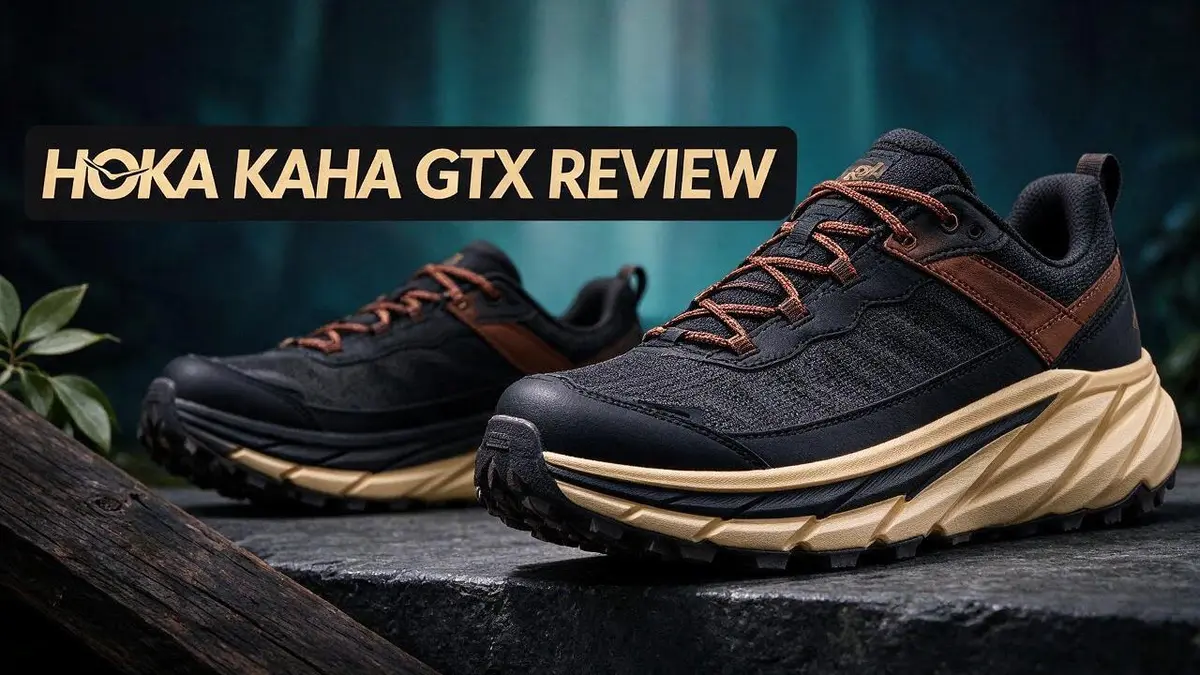
The Kaha line uses GORE-TEX waterproofing to block rain and muddy puddles. The Kaha 3 GTX also adds an invisible fit construction. The Kaha 3 Low GTX offers a durable toe cap and a heel collar that feels gentle on the Achilles.
Comfort matters on long days. Many reviewers call the Kaha 3 GTX a favorite modern hiking boot for all day comfort and ankle support. Its aggressive tread also grips wet, uneven ground well.
Fit can make or break the experience. Some wearers with wide feet report a tighter feel, so this review covers fit, comfort, and performance in detail. We also compare the Kaha GTX with rivals like the Merrell Moab 3 Mid Waterproof and La Sportiva Ultra Raptor II Mid GTX.
In a Nutshell
-
Strong cushioning and stability: The thick midsole soaks up impact on rocky descents. Your feet feel supported from heel to toe, which helps on long, uneven routes.
-
Grippy tread for uneven ground: The Vibram Megagrip outsole bites into roots, loose dirt, and slick rock. Steep sections feel more secure, so you can focus on the view instead of every step.
-
Light feel for its size: The Kaha 2 GTX earns praise for its cushion to weight ratio. Your legs may feel less tired on big climbs, even when the pack gets heavier.
-
Sugarcane midsole design: The Kaha 3 GTX uses a dual density sugarcane EVA midsole. A soft top layer sits over a firmer base, which balances comfort with support for steady strides.
-
Protection where it counts: The Kaha 3 Low GTX adds a durable toe cap and a heel collar that feels kind to the Achilles. These details help the boot handle scrapes and rubbing during tough hikes.
-
Alternatives to compare: Shoppers often look at the Hoka Anacapa 2 GTX, the Merrell Moab 3 Mid Waterproof, and the La Sportiva Ultra Raptor II Mid GTX. Wide feet should try on each option first to find the best match.
Waterproof Build and Materials

- JACQUARD KNIT UPPER
- Lining Textile
Last update on 2026-11-03 / Affiliate links / Images from Amazon Product Advertising API
Waterproofing does more than keep puddles out. It also shapes how the boot feels on your foot.
The Kaha 3 GTX uses an invisible fit construction. This design aims to hide the waterproof layer, so the boot feels less bulky inside.
Sealed boots can also trap heat. On hot, dry trails, your feet may feel warmer than they would in a mesh shoe. Many hikers choose a waterproof boot for cold or wet seasons instead.
Water still finds a way in sometimes. Deep stream crossings can push water over the top collar. Seams and the tongue area also deserve a close look after heavy rain.
Drying time is another factor to consider. A waterproof lining holds moisture differently than an open mesh upper. Remove the insoles and stuff the boots with newspaper after each wet hike.
Good socks matter too. Wool or synthetic socks pull sweat away from the skin. This helps keep feet comfortable inside a sealed boot. Cotton socks hold moisture and can cause blisters.
A secure heel lock also makes a difference. Less rubbing means fewer blisters on wet days.
Who should choose this build? Hikers who face rain, mud, and cold streams will value a sealed upper. Dry-climate hikers may prefer a breathable shoe instead.
Quick tip: Test new boots before a long trip. Walk through a shallow puddle or use a damp sponge on the seams. This shows you how the build performs in real conditions.
Cushioning and Stability
Stability matters just as much as soft cushioning. A boot that feels plush can still wobble on tricky ground. The Kaha line tries to balance comfort and control.
The Kaha 2 Low GTX shows this balance well. It uses a softer top foam over a firmer carrier foam. Your foot settles into the top layer, while the base keeps your stride steady.
This setup helps on side slopes. A firm base resists rolling when the trail tilts. Hikers carrying a daypack often notice less wobble on loose or uneven steps.
Pace also changes how a boot feels. Slower hikers on technical sections notice the platform more. Fast walkers on smooth paths may barely notice it at all.
Ankle support adds another layer of stability. The Kaha 3 GTX earns praise as a favorite modern hiking boot. Reviewers say it holds the ankle without feeling stiff.
Long descents test a boot in a different way. Your ankles and knees absorb repeated jolts with every step. A stable platform under the foot can reduce that strain over many miles.
There is a catch with plush cushioning. Some hikers want more ground feel on narrow, twisty trails. The Kaha family leans toward protection and support rather than a firm, minimal feel.
Who gets the most from this? Hikers who cover long miles with a loaded pack will value this blend. Hikers with a history of rolled ankles often appreciate the extra structure around the heel.
Try a simple check in the store. Stand on one leg and press the heel gently side to side. Then step onto a curb or small ramp. A stable boot should feel planted, not floppy. Repeat the test on both feet.
Traction on Wet and Uneven Terrain
Wet ground asks a lot from any boot. Each step on mossy stone or soggy clay needs a firm hold.
The tread on the Kaha GTX looks aggressive for good reason. Deep lugs push mud aside and reach firmer soil below. That gives your foot a solid base.
Mud can clog a tread fast. When the lugs fill up, grip drops quickly. Clear the outsole with a stick every hour or so.
Wet leaves hide sharp drops and slick stone beneath them. Watch the ground right in front of you. Slow down where leaves pile up.
Uneven terrain adds another challenge. Your foot may land on a tilted rock or a loose stone. Sharp lug edges bite into angled surfaces and hold the boot in place.
Downhill sections test traction the most. Your foot slides forward and your toes press into the front of the boot. Keep your steps short and your knees soft.
Stream crossings bring their own risks. Wet rocks under moving water can feel like ice. Pick flat, stable stones and plant each foot with care. Look before you step.
Tired legs lose control faster. As the day goes on, your reactions slow down. Take short breaks to reset your footing and your focus.
Testing grip at home helps you know what to expect. Walk on a damp patio or a wet tile floor. Turn, stop, and pivot slowly.
Notice how the sole feels on each move. Good grip feels steady and quiet. A slip feels sudden and loud.
Most hikers feel the difference on their first wet trail. Confidence grows when each step feels secure. With the right tread and smart foot placement, this boot handles many slippery paths.
Top 3 Alternatives
If the Hoka Kaha GTX does not fit your style, these three options deserve a look. Each one offers solid grip, good support, and protection for hiking trails.
Salomon X Ultra 4

- Hiking Shoes: Power through uphills and descents with the updated X Ultra 4; It has the agility of a trail running shoe...
- All Terrain Grip: Equipped with a new chassis, this hiking shoe is better at protecting sensitive articulations without...
Last update on 2026-11-03 / Affiliate links / Images from Amazon Product Advertising API
The Salomon X Ultra 4 suits hikers who want a secure fit. Its sticky outsole grips wet rock and muddy paths well. The padded collar and lace system hold your heel in place, so your foot stays steady on steep descents.
Merrell Moab 3

- Pig suede leather and mesh upper
- 100% recycled laces and webbing
Last update on 2026-11-03 / Affiliate links / Images from Amazon Product Advertising API
The Merrell Moab 3 is a favorite for people who want comfort right out of the box. The breathable mesh upper keeps feet cool on warm afternoons. Its cushioned midsole absorbs impact, which helps on long walks.
Keen Targhee III

- WATERPROOF & PROTECTION: KEEN.DRY breathable membrane keeps feet dry and comfortable by allowing vapor out without...
- MATERIAL & CONSCIOUSLY CREATED: Durable premium leather and breathable performance mesh; Quick dry lining for active...

Last update on 2026-11-03 / Affiliate links / Images from Amazon Product Advertising API
The Keen Targhee III offers a roomy toe box and a stable base. Its protective toe cap guards your feet from rocks and roots. The deep lugs bite into loose gravel and soft dirt, so you can walk with confidence.
Pick the boot that matches your terrain and foot shape. Try a few on in a store, and wear them with the socks you plan to use on the trail.
Fit and Sizing for Different Foot Shapes
Every foot has its own shape, so fit matters a lot with the Kaha GTX. Many hikers find their best size only after trying a few pairs. Shopping late in the day helps too, because feet swell after hours on the move.
Narrow feet often feel lost in a roomy boot. Look for a snug heel and a midfoot that holds the foot without pinching. If your heel lifts with each step, the boot may be too big, even if your toes have space.
Wide feet need extra care. Some shoppers with wide feet worry about a snug feel through the midfoot. Try both boots on and walk on a slight slope in the store. Pay close attention to how the sides press against your feet.
High arches may need a little extra room over the top of the foot. Check that the laces can pull the instep snugly without digging in. A boot that feels tight on top can cause sore spots on longer hikes.
Flat feet or low arches tend to roll inward on uneven ground. Stand still in the boot and check whether your weight sits evenly. Notice if your foot drifts to one side of the footbed. Custom insoles can also change how a boot sits.
Toe shape matters too. Square toes need more width at the front, while narrow toes can slide around inside. Wiggle your toes while standing. You should feel space without any slipping.
Fit also changes with the lacing. Use the top eyelets to ease pressure on the instep, and tie the laces firmly at the ankle. Small changes can make a big difference on the trail.
Always measure both feet, since one foot is often larger. Size up for the bigger foot. Take a short but honest walk before you decide. A good fit feels secure but never sharp.
Durability and Care
The durability of the Kaha GTX starts with its materials. The Kaha 3 Low GTX adds a durable toe cap that protects the front of the upper. Its Vibram Megagrip outsole also helps the sole hold up on rough trails.
The midsole needs some attention over time. The sugarcane EVA foam in the Kaha 3 GTX feels light, but any foam can lose its bounce with heavy use. Rotating your boots with a second pair gives the foam time to recover between hikes.
Cleaning matters more than most people think. Mud and grit can work into the seams and mesh over time. Rinse the boots with cool water and a soft brush after each muddy outing. Skip harsh detergents, since they can strip protective finishes and dry out the materials.
Drying needs patience. Never place wet boots near a heater or campfire. High heat can warp the foam and weaken the glue that holds the layers together. Stuff them with newspaper and let them air dry at room temperature overnight.
Check the waterproof lining at the end of each season. Look closely at the seams and the upper for small cracks or peeling. A tiny tear lets water in, so repairing it early saves you from soggy feet later.
Store your boots in a cool and dry closet. Avoid sealed plastic bins, because trapped moisture can build up inside. Loosen the laces and keep the boots away from direct sunlight, which can fade the fabric and dry out the rubber.
Replace worn laces and insoles when they lose their shape. Fresh insoles restore support inside the shoe. This small step keeps the boot feeling stable for much longer.
Watch for signs of wear on the outsole. Look for smooth spots, especially under the heel and ball of the foot. When the tread flattens, grip drops fast on wet ground. Replacing the boots at that point keeps your footing safe on every trail.
Pros and Cons
Pros
– Strong cushioning keeps every step feeling soft.
– A good cushion to weight ratio helps on long days.
– Feet stay dry during wet hikes.
– Many hikers rate it a favorite modern hiking boot for all day comfort.
– Solid ankle support helps on rocky paths.
Cons
– No consistent cons appear across the research.
– One reviewer felt the negatives outweighed the positives.
– Quick day hikers may want a lighter boot.
– Shoppers can compare it with the Merrell Moab 3 Mid Waterproof.
Who Should Buy It
The Kaha GTX suits hikers who spend long days on wet and uneven ground. It works well for people who value grip as much as comfort. Many trail walkers in rainy regions fall into this group.
Beginners who feel unsure on slippery paths may gain confidence here. A stable base and a sticky outsole let new hikers focus on the scenery. Confidence grows with every mile.
Weekend walkers with muddy routes also benefit from this boot. The sturdy tread bites into loose soil and wet rock. Tread matters most when the trail turns slick.
Hikers who tackle steep descents should give this boot a close look. The heel and midfoot stay locked in place. Downhill sections feel more controlled on loose gravel.
Trail runners who want more protection will notice the change right away. The Kaha GTX feels firmer and more enclosed than most running shoes. Runners who love a light, flexible feel may find it bulky.
Who should skip it? Hikers planning fast summer hikes in dry heat may feel too warm. A waterproof boot often traps more heat than an open mesh shoe. Choose a breathable option for those routes.
Shoppers who want a lower option can also look at the Hoka Anacapa 2 GTX. It offers a lower profile for those who want waterproof protection without the full height. Comparing both models helps you decide.
Hikers who hit the trail several days each week will value the comfort. Long miles feel more manageable in a supportive boot. Comfort keeps motivation high on busy schedules.
Older hikers who want steady footing often appreciate a supportive build. The supportive build helps on uneven ground. Stability matters more as we age.
Final tip: Match the boot to your main trail type. Choose it for wet, uneven paths and steady support. Think about your typical walk length before you decide.
Final Verdict
The HOKA Kaha GTX is a strong pick for hikers who face wet and rough trails. Most people who test it feel it earns a clear yes.
Fit decides everything with this boot. Try them on later in the day when your feet feel slightly swollen. Walk on a slope in the store if you can.
Wide feet need extra care. One user reported a fit concern similar to the Moab, and the outcome stayed unclear. Measure your width before you commit to a pair.
Think about your usual hiking days. The Kaha GTX shines on long, muddy outings. It may feel like too much boot for short, dry walks.
Think about your socks, too. Thick socks can crowd the toe box and change the fit. Test the boots with the socks you plan to wear on the trail.
Give the boots a short test loop first. Break them in on flat ground before you tackle a long mountain route. Your feet will thank you later.
Compare it with a few rivals before you decide. The Anacapa 2 GTX sits lower on the ankle. The Moab 3 Mid Waterproof and the La Sportiva Ultra Raptor II Mid GTX also deserve a look.
Check the return policy before you buy. A fair return window gives you time to test the fit on real trails.
Ask yourself one question. Do you plan to hike in rain, mud, or snow more than once a month? If yes, this boot fits your needs well.
Many hikers want protection, cushion, and grip in one shoe. This boot delivers all three in a single package.
Final call: the Kaha GTX suits serious wet weather walkers. Choose it when comfort and traction matter most. Your feet will stay dry and supported on the trail.
Frequently Asked Questions
What makes the Kaha 3 GTX different from the Kaha 2 GTX?
The Kaha 3 GTX uses an invisible fit GORE TEX build. It also has a dual density sugarcane EVA midsole. The Kaha 2 GTX uses a softer top foam over a firmer carrier foam. Your choice depends on which fit and feel you prefer.
Is the Kaha 3 Low GTX a good option for heel comfort?
Yes, many people find it helpful. The Kaha 3 Low GTX has a heel collar that sits gently on the Achilles tendon. It also includes a durable toe cap for extra protection on rocky paths.
How long should I break in the boots?
Wear them indoors for a few hours first. Look for hot spots on the heel or toes. Then take short walks on flat ground. Build up to longer hikes over several days.
How do I clean the boots after a muddy hike?
Knock off dried mud with a soft brush. Rinse the outsole with cool water. Remove the insoles and let the boots air dry away from direct heat. Heat can damage the glue and waterproof lining, so skip the radiator or dryer.

Lipi is the founder and lead reviewer behind Fashion Reviewed. With a keen eye for quality, style, and value, she brings years of experience in fashion analysis and trend spotting to every review. Her passion for helping others discover amazing fashion finds drives the honest, detailed content you’ll find on this blog.