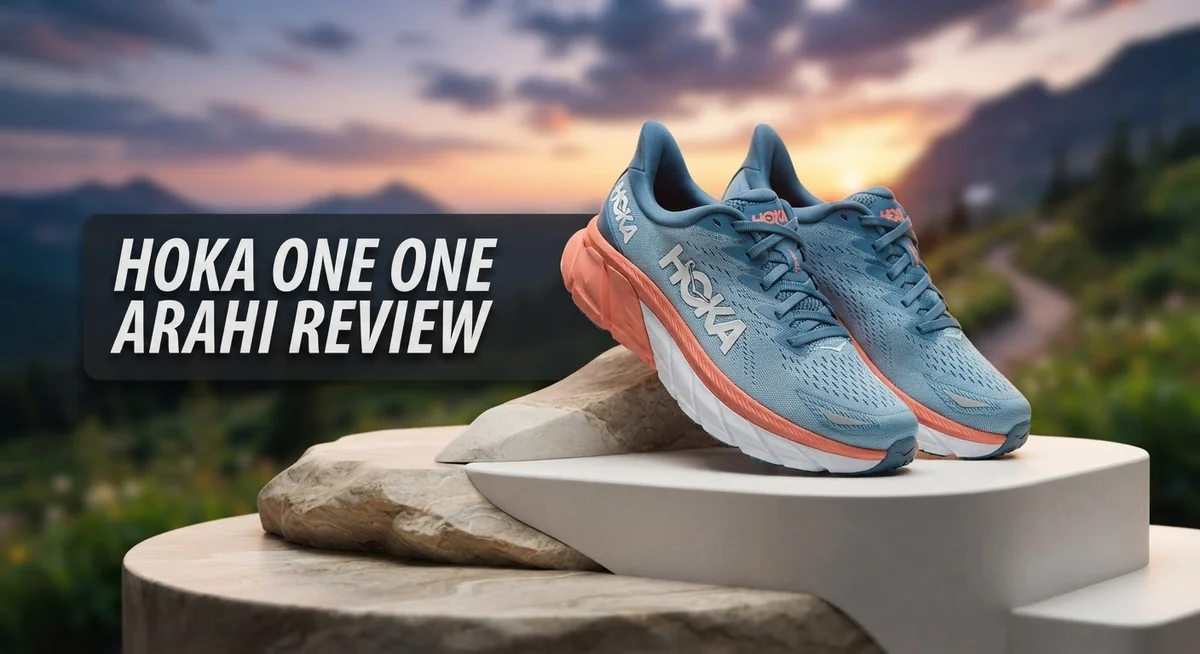
HOKA ONE ONE Arahi Review: Stability Running Shoe Analysis
Do you need a stability shoe that feels light and fast? The Hoka One One Arahi might be your answer. This shoe mixes support with a surprisingly nimble feel.
Many stability shoes feel heavy and stiff. The Arahi breaks that rule. It weighs just 8.20 oz, making it one of the lightest options in its class.
Hoka built this shoe for runners who need extra support. Its special frame guides your foot without adding bulk. You get stability and speed in one package.
The cushioning stands out too. It absorbs shock well and gives a responsive bounce back. This makes the Arahi a great pick for daily training and long miles.
Is the Arahi the right shoe for your feet? Let’s look at what makes this trainer a top choice for heel strikers and high mileage runners.
In a Nutshell
Here’s the quick rundown on the Hoka Arahi before you decide:
- Weight: This shoe weighs just 8.20 oz. That’s light for a stability trainer.
- Drop: You get an 8.0 mm heel to toe drop. This gives a balanced feel for most strides.
- Stability Tech: Hoka uses its Active Foot Frame system. This guides your foot without heavy posts or plastic parts.
- Stack Height: The shoe has a tall stack. You get soft landings and strong shock absorption on every step.
- Fit: The base is wide, wider than older Arahi versions. Heel strikers and high mileage runners get good support here.
- Build Quality: The upper is durable. It holds up well across many training cycles.
Keep in mind: Some versions, like the Arahi 5, run narrow for certain feet. The design stays simple too, so if you want flashy extras, look elsewhere. Overall, this trainer focuses on function over frills.
Build and Materials
The Arahi uses Hoka’s proven stability framework to keep your foot steady. The Active Foot Frame wraps around your midfoot and heel. This system prevents excess side-to-side movement without adding bulk or weight.
Hoka engineered the upper with dense mesh and synthetic overlays. These materials work together to provide support where you need it most. The construction feels firm yet breathable during long runs.
The midsole combines two foam densities. A firmer foam sits on the medial side to resist overpronation. Softer foam on the lateral side absorbs impact and keeps the ride smooth. This dual-density approach is what separates stability shoes from neutral trainers.
The outsole features a rubber compound that grips multiple surfaces. Hoka placed rubber in high-wear areas to extend durability. You’ll notice strategic reinforcement at the heel and forefoot where impact hits hardest.
The heel counter sits firm and snug. It cradles your heel and prevents slipping during heel strikes. The collar padding feels soft without feeling loose or unstable.
Hoka kept the overall design simple. No unnecessary stitching or complex patterns clutter the shoe. This minimalist approach reduces weight while maintaining durability. The shoe weighs only 8.20 oz, which is light for a stability trainer.
The toe box offers adequate room for most runners. The wide base means your foot sits stable and grounded. Earlier Arahi versions felt cramped in the midfoot, but newer iterations fixed this issue.
The tongue stays centered during runs. Gusseted construction prevents it from sliding sideways. This small detail matters for long distance comfort.
Hoka used quality stitching throughout. The seams look clean and tight. Runners report minimal separation even after hundreds of miles.
The materials resist moisture well. The mesh breathes effectively, and the synthetic overlays shed water. Your feet stay dry on wet days and during sweaty training sessions.
Overall, the Arahi prioritizes function over fashion. Every material choice serves a purpose. The build quality holds up through high mileage without compromise.

Last update on 2026-10-08 / Affiliate links / Images from Amazon Product Advertising API
Cushioning and Support System
The Arahi’s cushioning system combines soft responsiveness with reliable support. Hoka uses a dual density midsole that absorbs impact while keeping your foot stable. The softer foam on the bottom provides comfort. The denser foam layer underneath offers structure and control.
This two layer approach works well for runners who need both shock absorption and guidance. Your foot lands softly but doesn’t feel mushy or unstable. The tall stack height gives you extra cushioning without sacrificing ground feel.
The Active Foot Frame technology is the key to how this shoe supports your arch. This stability system sits on the medial side of your foot. It prevents excessive inward rolling during your stride. Unlike some stability shoes that feel rigid, the Arahi lets your foot move naturally while offering support where you need it most.
The heel counter plays an important role in the support system too. It wraps around your heel with a firm fit. This keeps your heel locked in place during push off. Runners with heel striking patterns benefit greatly from this design.
The cushioning feels responsive rather than soft and squishy. You can feel the ground beneath you without harsh impact. This balance makes the Arahi suitable for long runs and speed work. Your legs don’t fatigue as quickly because the shoe absorbs energy efficiently.
The outsole rubber compound contributes to overall stability as well. It grips multiple surfaces and provides a solid foundation. You won’t slip on wet roads or loose trails. The rubber placement protects high wear areas without adding unnecessary weight.
One thing to note: the cushioning doesn’t feel plush like some max cushioned shoes. Instead it feels firm and purposeful. This works well if you prefer a connected ride. If you like sinking into soft foam, you might find it less forgiving.
The support system works best for neutral to overpronating runners. Your foot stays aligned throughout your gait cycle. The combination of cushioning and guidance makes the Arahi an excellent choice for high mileage training. Recovery runs and tempo workouts both feel comfortable in this shoe.
Fit and Comfort
The Arahi delivers a comfortable fit that works well for runners seeking stability without sacrificing everyday wearability. The wide base gives your foot plenty of room across the midfoot and forefoot, which many runners appreciate on longer runs.
The heel counter sits firm and snug against your heel. This design prevents excessive heel slippage during your stride. You’ll notice the counter keeps your foot locked in place, especially helpful if you’re a heel striker who needs that extra security.
The toe box offers adequate room for most runners. Your toes won’t feel cramped, and you can wiggle them slightly without the shoe feeling loose. The tongue stays centered during your run, so you won’t experience annoying shifting or bunching.
The upper construction uses dense mesh combined with synthetic overlays. This combination feels supportive without being restrictive. The materials breathe well during warm weather runs, and they resist moisture effectively when conditions get damp.
One important note: the cushioning feels responsive rather than plush. If you prefer that soft, cloud-like sensation, the Arahi might feel firmer than expected. The shoe prioritizes guidance and support over maximum softness, which appeals to runners who want feedback from the ground.
The midsole combines two foam densities to balance comfort and stability. This two-layer approach prevents your foot from sinking too deep into the cushioning, which helps maintain control during your run. The outsole rubber compound also contributes to overall stability by keeping your foot grounded.
For heel strikers specifically, the Arahi shines. The firm heel counter and responsive cushioning work together to support your natural landing pattern. The tall stack height provides shock absorption without making the shoe feel unstable or wobbly.
Overall, the Arahi prioritizes function over luxury. You get a comfortable shoe that feels secure and supportive throughout your run. The fit works best for neutral to overpronating runners who value stability and responsiveness over maximum plushness.
Top 3 Alternatives
ASICS Gel Kayano

- Engineered mesh upper: A lightweight, breathable mesh material that reduces the need for additional overlays.
- Knit heel pull tab: This comfortable heel tab makes the shoe easier and more comfortable to put on and take off.
Last update on 2026-10-08 / Affiliate links / Images from Amazon Product Advertising API
The ASICS Gel Kayano offers excellent stability and cushioning for runners seeking a dependable daily trainer. This shoe features gel technology in the heel and forefoot, which absorbs impact effectively. The internal heel counter keeps your foot secure during runs.
Runners appreciate the Gel Kayano’s smooth transitions and responsive feel. The shoe works well for both road running and casual wear. ASICS designed this model with a focus on long-distance comfort.
Brooks Ghost

- Find your stride in the Brooks Ghost 18, a precision-engineered ride designed to deliver a lighter feel and seamless...
- APMA Approved: The American Podiatric Medical Association Seal of Acceptance is awarded to products that promote good...
Last update on 2026-10-08 / Affiliate links / Images from Amazon Product Advertising API
The Brooks Ghost delivers smooth, balanced cushioning without unnecessary complexity. This shoe suits neutral runners who want a versatile option for various distances. The DNA Loft v2 midsole provides soft landings and quick transitions.
The Ghost feels lightweight yet protective. Many runners praise its consistent performance across different surfaces. Brooks built this shoe to handle everyday training runs with ease. The upper construction offers good breathability during warm weather runs.
New Balance Fresh Foam

- FRESH FOAM CUSHIONING — Precision-engineered Fresh Foam midsole cushioning helps deliver a soft, cushioned...
- ALL-DAY COMFORT — Designed for all-day wear and everyday running, this women’s shoe blends soft cushioning with...

Last update on 2026-10-08 / Affiliate links / Images from Amazon Product Advertising API
The New Balance Fresh Foam combines responsive cushioning with a natural feel. This shoe features Fresh Foam X technology, which adapts to your running style. The lightweight design makes it ideal for faster-paced workouts.
The Fresh Foam performs well on both roads and light trails. Runners enjoy the flexible midsole that encourages a natural gait. New Balance prioritized comfort without sacrificing performance in this model. The shoe’s sleek design works for training and everyday activities.
Each option provides distinct advantages depending on your running needs and preferences.
Performance for Different Running Styles
The Arahi works well for different running styles because it balances support with flexibility. Neutral runners find the shoe responsive enough for their natural gait. The Active Foot Frame keeps your foot steady without forcing your stride into an unnatural pattern.
Overpronators get real benefits from this shoe. The stability system gently guides your foot inward without restricting your movement. You won’t feel locked in place. Instead, the shoe guides you smoothly through each step.
Heel strikers experience the Arahi’s best performance. The firm heel counter absorbs impact effectively at touchdown. The tall stack height adds cushioning right where your heel lands first. This combination makes the shoe feel protective during high impact moments.
Midfoot strikers appreciate the shoe’s responsive feel. The two layer midsole foam gives you feedback without feeling mushy. You get ground contact awareness while staying protected. The lightweight design helps midfoot runners maintain their efficient cadence.
Forefoot strikers can use the Arahi, though it’s not specifically optimized for this style. The shoe works fine for this group, but other models might feel more natural. The toe box offers enough room for your forefoot to land comfortably.
Long distance runners consistently praise the Arahi. The durable construction holds up through high mileage. The cushioning stays responsive even after months of training. Many runners report the shoe feels as good at mile 100 as it did at mile one.
Trail adjacent road runners benefit from the outsole grip. The rubber compound handles light trail sections and wet pavement equally well. You won’t slip on slick surfaces during tempo runs or recovery jogs.
Runners seeking daily trainers get exactly what they need. The Arahi doesn’t demand specific conditions or special circumstances. It works equally well for easy runs, moderate efforts, and speed work. The shoe adapts to your running style rather than forcing you to adapt to it.
The key takeaway: the Arahi fits most running styles because it provides support without being restrictive. Your natural movement patterns work with the shoe instead of against it.
Durability and Longevity
The Arahi builds shoes that last through serious mileage. The upper construction uses dense mesh paired with synthetic overlays. This combination resists wear and tear from repeated runs. Many runners report their Arahi shoes holding up well after 300+ miles.
The midsole foam maintains its responsiveness over time. You won’t feel the cushioning breaking down as quickly as cheaper shoes. The two density foam approach helps the shoe stay supportive even after months of use. This is why the Arahi earns its reputation as an excellent high-mileage trainer.
The outsole rubber compound proves durable on various surfaces. Road runners notice minimal tread wear even after extended use. The rubber doesn’t chunk or peel away like some competitors. This means your grip stays consistent throughout the shoe’s lifespan.
The heel counter construction adds durability in a key area. This part experiences heavy impact with every step. HOKA reinforced this section to prevent collapse. Your heel support stays firm and reliable, not mushy or broken down.
The Active Foot Frame technology involves reinforced areas that don’t degrade easily. These support structures maintain their shape and function. Runners appreciate that the arch support doesn’t weaken over time. This makes the Arahi a shoe you can trust for long term use.
Real world testing shows the Arahi handles high mileage weeks without falling apart. The stitching holds strong. The glue bonds don’t separate. The fabric doesn’t tear or develop holes prematurely.
One thing to watch: the toe box may show creasing after heavy use. This is purely cosmetic and doesn’t affect performance. The shoe functions just as well even with visible wear marks.
The Arahi doesn’t require special care to last long. Basic cleaning and proper storage extend its life further. Runners who rotate between multiple shoes report their Arahi lasting even longer. This rotation approach reduces wear on any single pair.
Overall, durability is a genuine strength of the Arahi. You get a shoe built to withstand serious training. The materials don’t cut corners. The construction methods prove reliable. This shoe rewards your investment with consistent performance across hundreds of miles.
Pros and Cons
Pros
- Lightweight design (8.20 oz) keeps your feet feeling fresh on long runs
- Shock absorption and responsive cushioning work together without feeling mushy
- Wide base accommodates different foot shapes better than earlier versions
- Durable upper mesh and synthetic overlays withstand serious mileage
- Excellent choice for heel strikers and overpronators seeking stability
Cons
- Some versions (like Arahi 5) still feel slightly narrow despite the wider redesign
- Minimalist aesthetic lacks the modern flair of competing stability shoes
- Not as aggressive or cushioned as some rival models in the stability category
Who Should Buy It
The Arahi works best for specific runner profiles. If you overpronate and need stability, this shoe delivers the support you’re looking for. The Active Foot Frame technology keeps your foot aligned without feeling restrictive.
Heel strikers should seriously consider the Arahi. Your foot strike pattern matches perfectly with this shoe’s design. The cushioning absorbs impact right where you need it most.
Long distance runners find the Arahi reliable for high mileage weeks. The midsole foam stays responsive even after many miles. Your feet stay fresh during those longer training runs.
Runners who want a daily trainer without complications will appreciate the straightforward design. The Arahi doesn’t overcomplicate things. You get support, cushioning, and durability in one package.
If you prefer a wider fit, the newer versions of the Arahi work better than earlier models. Your foot has more room to move naturally. This matters if standard stability shoes feel cramped.
The shoe suits runners who value function over flashy aesthetics. The minimalist design won’t turn heads, but it performs consistently. You’re buying capability, not style statements.
Trail adjacent road runners benefit from the outsole grip too. The rubber compound handles mixed surfaces without slipping. You get versatility beyond paved roads.
Skip the Arahi if you’re a forefoot striker seeking a shoe optimized for your style. The shoe works for forefoot strikers, but it’s not specifically designed for this pattern. Other options might suit you better.
Avoid this shoe if you want aggressive cushioning comparable to maximum stack height models. The Arahi balances support and responsiveness, not maximum softness. You won’t sink into plush foam.
The Arahi isn’t for runners who demand modern design features and tech-forward aesthetics. The shoe keeps things simple. If you want cutting edge visuals, look elsewhere.
Overall, the Arahi targets stability seekers who run high mileage and prefer reliable performance over trendy features. You get a shoe that works hard and lasts long. This is the right choice if dependability matters more than anything else.
Final Verdict
The Hoka Arahi earns its place as a dependable stability shoe. It blends support with a light feel most stability shoes cannot match.
Runners who need gentle guidance without a heavy shoe will enjoy this model. The design keeps things simple and that works in its favor.
This shoe shines for people who log steady miles week after week. It holds up well and keeps performing the same way run after run.
If you have neutral gait or a forefoot strike, other shoes may serve you better. The Arahi focuses on stability first and that shapes every part of its ride.
Compared to rivals like the Brooks Adrenaline GTS 23 or ASICS GEL-Kayano 31, the Arahi takes a plainer path. It skips extra layers and fancy foam blends for a cleaner setup.
That simplicity is not a flaw. It means fewer parts to break down and a shoe that feels consistent from day one to mile one thousand.
The New Balance Fresh Foam 860v14 and Saucony Guide 17 offer more cushioning depth. Yet the Arahi counters with a lighter build that many runners prefer on longer efforts.
So who should buy this shoe? Pick the Arahi if you want a no fuss trainer that handles stability needs without weighing you down.
Skip it if you crave bold aesthetics or maximum plush cushioning. The Arahi was never built to impress with looks. It was built to perform.
For daily training, recovery runs, or even longer distance days, this shoe holds steady. It does its job without demanding much in return.
In short, the Hoka Arahi stands out as a smart pick for stability focused runners. It rewards those who value function, comfort, and long term reliability over trends.
If your feet need support and your runs need consistency, this shoe deserves a spot in your rotation.
Frequently Asked Questions
Is the Hoka Arahi good for marathon training?
Yes, the Arahi works well for marathon prep. The shoe offers reliable cushioning and stability over long distances. Runners logging high mileage weeks report that the Arahi keeps their feet comfortable without feeling heavy. The responsive foam bounces back mile after mile. You get dependable support without complications getting in the way.
Does the Arahi fit narrow or wide feet?
The newer Arahi versions have a wider base than earlier models. If you have a wider foot, the recent redesigns feel much better. Some runners still find certain versions snug, so try them on first. The shoe works best for people with standard to wide feet. Narrow feet may feel loose in the heel area.
Who should NOT buy the Arahi?
Skip this shoe if you’re a forefoot striker. The Arahi favors heel strikers and overpronators. If you want aggressive cushioning like maximum stack shoes offer, look elsewhere. Runners seeking modern, flashy designs won’t love the straightforward aesthetic. The shoe keeps things simple, which some people view as plain.
How does the Arahi compare to Brooks Adrenaline GTS 23?
Both shoes handle stability well, but they take different paths. The Arahi stays lighter and more minimal. The Brooks Adrenaline offers more cushioning depth and a modern feel. The Arahi suits runners who value function first. The Adrenaline appeals to people wanting extra plush comfort. Choose based on what matters to you: simplicity or cushioning.
Can you use the Arahi for casual running?
Absolutely. The Arahi works as a daily trainer. Many runners wear it for easy runs and recovery days. The shoe handles steady, moderate paces well. It’s not designed for speed work, but casual jogging fits perfectly.

Lipi is the founder and lead reviewer behind Fashion Reviewed. With a keen eye for quality, style, and value, she brings years of experience in fashion analysis and trend spotting to every review. Her passion for helping others discover amazing fashion finds drives the honest, detailed content you’ll find on this blog.